
So, who actually wins if a coyote and a dog get into a fight? Honestly, there’s no clear answer. It really depends on the dog’s size, breed, and experience, not to mention the situation itself.
Usually, bigger and well-trained dogs have a better shot, but coyotes? They’re fast, clever, and surprisingly fierce.
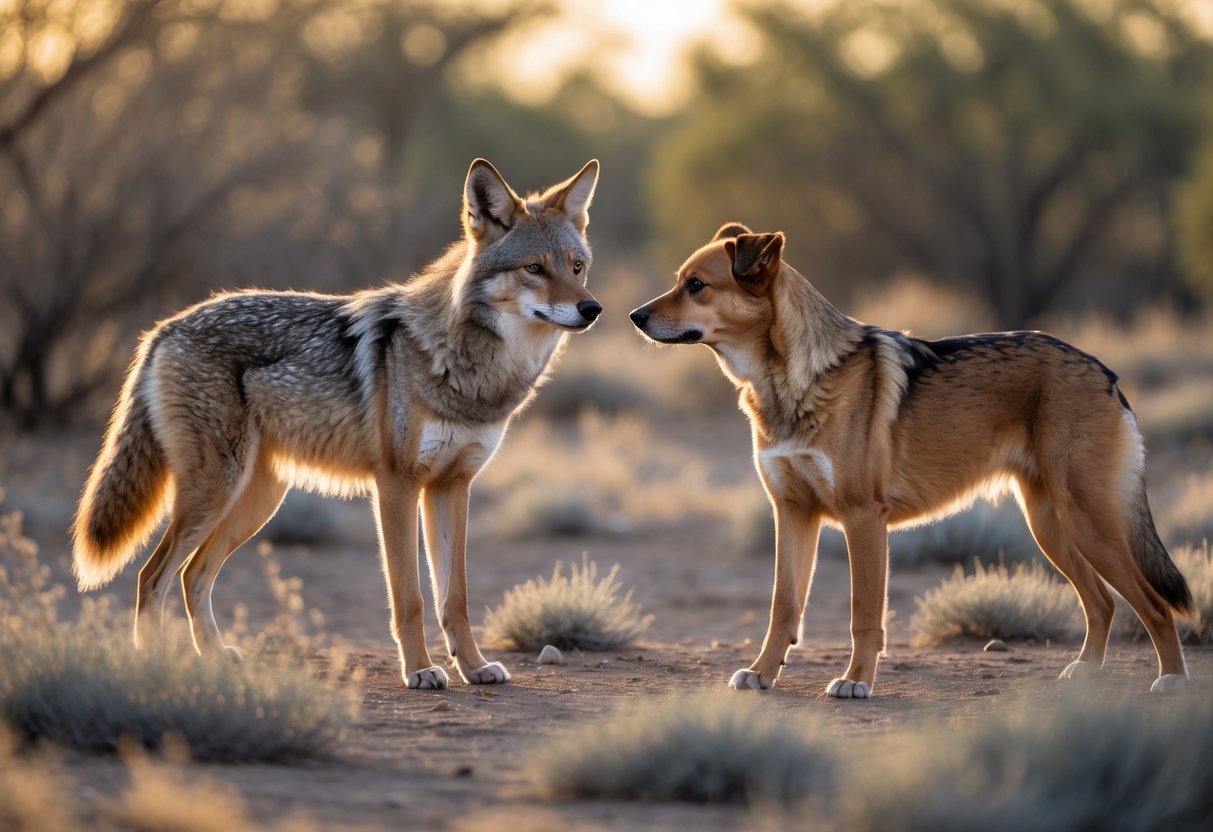
If your dog’s small or you leave it outside alone, a coyote could pose a real danger. Coyotes rely on their wild instincts and hunting skills. Dogs, on the other hand, can be all over the map when it comes to ability—depends a lot on their breed and training.
Understanding these differences can help you keep your pet out of trouble.
It’s important to know what to do if you spot a coyote and how to protect your dog. The details about who might win in a coyote vs. dog situation aren’t as simple as you’d think.
Who Wins, a Coyote or a Dog? Key Factors in a Face-Off
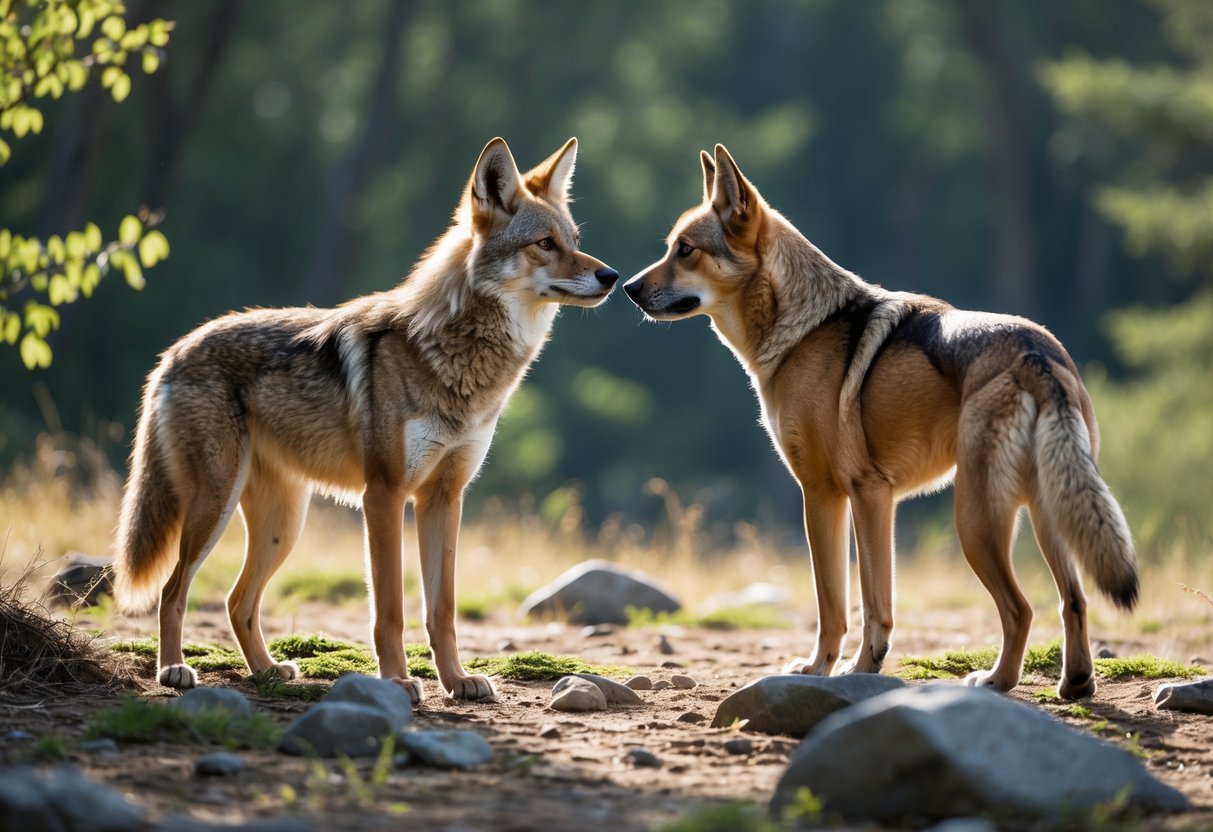
When a coyote and a dog meet, a bunch of things come into play. Size, speed, wildness, training, and even how protective they feel all matter.
Knowing these things helps you figure out what could happen if your dog runs into a coyote.
Physical Abilities: Size, Strength, and Speed
Size can make a big difference. Coyotes usually weigh somewhere between 20 and 50 pounds. Their bodies are lean, which makes them quick and agile.
Some dogs are bigger or stronger, but small breeds don’t stand much of a chance.
Coyotes run fast and can easily outrun most dogs. Their reflexes are sharp, so they dodge danger or attack quickly.
Dogs with big muscles and size might win out in terms of raw power. Still, coyotes make up for it with their agility.
Here’s a quick breakdown:
- Coyotes: 20-50 pounds, super fast, very agile
- Dogs: Size is all over the place; big dogs are stronger, but not always as quick
Both size and speed play a role in who comes out on top.
Wild Instincts vs. Domestication
Coyotes use their hunting skills every single day. They deal with threats, hunt for food, and defend their turf all on their own. That kind of lifestyle gives them sharp instincts and quick, smart reactions.
Most dogs, especially pets, don’t have those wild instincts. Their behavior depends a lot on their training and what they were originally bred to do.
If your dog’s a guarding or hunting breed, it might try to stand up for itself. Nervous or shy dogs might freeze or run, which usually doesn’t help.
Coyotes are clever and wild, so they often outthink dogs that aren’t ready for a wild encounter. Your dog’s confidence and training can really change how things go.
Protective Instinct and Territorial Behavior
Coyotes don’t mess around when it comes to their territory. If they think you’re invading their space, they’ll fight back—especially if they’re protecting food or pups.
Dogs can be protective too, but it really depends on the breed and the dog’s personality. Some dogs naturally guard their home and family, while others just aren’t as territorial.
A confident, loyal dog might try to confront a threat. But if it’s not trained well, that can lead to trouble.
If you know your dog’s protective side, you can better handle risky situations. Coyotes usually steer clear of people, but if you corner one, it might not back down.
Learning about both animals’ behaviors helps you keep your dog safe. You can check out more about coyote vs dog encounters if you’re curious how to protect your pet.
Dog Breeds Most Likely to Take on a Coyote

If you’re wondering which dogs could really stand up to a coyote, you should look at their strength, size, and how naturally protective they are. Some breeds were made for guarding and fighting, which gives them a real advantage.
Rottweiler: Power and Defense
Rottweilers are big, tough dogs, usually between 80 and 130 pounds. They’ve got strong muscles and powerful jaws, so they’re pretty good at protecting against threats.
People bred Rottweilers to guard livestock and property, so defending territory comes naturally to them.
Their bite force is no joke, and they can hold off or hurt a coyote if needed. Plus, Rottweilers are super loyal and not easily scared.
It’s important to train them early, though, so they use their strength the right way and don’t get too aggressive.
German Shepherd: Intelligence and Loyalty
German Shepherds are known for being smart and loyal. They usually weigh between 55 and 90 pounds, so they’ve got a nice balance of power and agility.
These dogs were bred for work—herding, police jobs, all sorts of things—so they react quickly when things get tense.
Their brains help them figure out threats and stay calm. Even though they aren’t the biggest, their courage and obedience help them hold their ground.
Training is key here, too. A well-trained German Shepherd knows when to defend and when to back off.
Pit Bull: Tenacity and Build
Pit Bulls have a reputation for being tough and determined. They weigh anywhere from 40 to 80 pounds, but don’t let the size fool you—they’re packed with strength.
Originally, people bred them for strength and endurance, so they won’t back down easily.
Pit Bulls have strong jaws and a fearless attitude, which helps them stand up to coyotes. Still, they need good training to keep their energy and aggression in check.
A well-trained Pit Bull can be very protective of its family and home.
How Breed and Training Affect Outcomes
Breed definitely plays a role, but honestly, training and experience can change a coyote encounter in surprising ways. Dogs raised to protect or fight often show way more confidence around coyotes than those bred just for companionship.
Size and strength matter, sure, but instincts and obedience make a big difference too. Sometimes, a big dog without any training just panics, while a smaller, well-trained dog might actually stand its ground.
If you teach your dog to stay calm and act protectively, you give it the best shot at handling a coyote safely.


