
Ever seen someone posing with a massive lion and wondered if people actually keep them as pets? Well, some folks—celebrities included—have kept lions, though it’s rare, risky, and often not exactly legal.
Most people who keep lions do it for status, private zoos, or entertainment—not because they want a giant feline lounging on the couch.

Curious about who actually keeps lions, how they get them, and what the laws say? I’ll walk you through real stories and the rules that shape those choices.
You’ll hear about actual owners, plus the legal, ethical, and practical realities that make owning a lion way different from having a cat or dog.
Who Has Kept a Lion as a Pet?
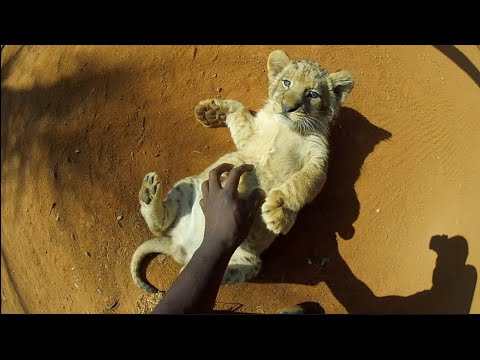
People have kept lions for all sorts of reasons—status, entertainment, or just a personal fascination.
Some were famous, posing with lions for the camera. Others were private owners or circus handlers who raised lions behind the scenes.
Famous People with Pet Lions
You might recognize a few celebrities who lived with lions or at least posed with them for publicity.
Joy Adamson, an animal trainer and author, famously raised lions in Kenya. Her book and photos turned close human-lion bonds into a sensation.
Back in early Hollywood, stars like Jackie Coogan sometimes kept young lions as studio pets or photo props.
Wealthy socialites also showed off lions to flaunt their wealth and, well, guts.
These high-profile cases blurred the line between publicity and genuine care. Most of those animals ended up in zoos or sanctuaries when owners realized they couldn’t handle them long-term.
Historical Examples of Lions as Pets
Historical records show rulers and nobles keeping lions as power symbols.
In ancient and medieval times, royal menageries across Europe, the Middle East, and Asia featured lions. Kings and sultans kept them in palace collections to impress guests and flex authority.
During the 19th and early 20th centuries, private collectors and circuses picked up lion cubs through colonial hunting and trade.
Those lions lived in tough conditions and mostly performed in shows. Old photos show people with lions, but these animals rarely had anything close to a real home life.
Modern-Day Exotic Pet Owners
In recent decades, some private owners still keep lions, especially in places where local laws allow it.
Certain states in the U.S. have loose or no regulations, so a handful of people keep lions as exotic pets.
Others keep them on small farms, seeing lions as status symbols or attractions.
Modern ownership brings big welfare and safety concerns. Animal advocates usually push for licensed sanctuaries or accredited zoos instead of private homes.
If you’re ever tempted to meet a lion, make sure it’s under professional care, with proper permits, and in a facility built for big cats.
Legal, Ethical, and Practical Realities of Keeping a Lion

Keeping a lion isn’t just about snapping cool photos. You’ll run into strict laws, real safety risks, and eye-watering costs.
If you think about owning one, you’ll face legal headaches, tough care requirements, and big questions about animal welfare.
Is It Legal to Own a Lion?
The laws jump around depending on where you live—country, state, or even city.
Many U.S. states ban private ownership of big cats or make you get permits, liability insurance, and pass enclosure inspections.
Some places allow it with a Class B or exotic-animal license, but those usually go to exhibitors, not regular pet owners.
If you skip the rules, you risk fines, losing the animal, or even criminal charges.
Even in places where it’s allowed, you’ll still need to meet cage size requirements, provide vet care, and follow public safety standards.
Zoos and licensed sanctuaries get permits under much stricter oversight than private citizens.
If you want more details, check out this overview of legality for pet lions: (https://smallusefultips.com/is-it-legal-to-have-a-pet-lion-in-the-us/).
Can Lions Be Domesticated or Tamed?
Domestication takes generations of selective breeding. Lions, though, haven’t gone through that—they’re still wild apex predators.
You can train a lion with rewards for certain behaviors, but training doesn’t erase their instincts.
Taming a lion cub doesn’t make it safe once it grows up. Adult males can weigh over 400 pounds and sometimes act aggressively, especially during puberty or mating season.
Professional trainers use special facilities, years of experience, and strict safety routines. Most private owners just don’t have that.
Trying to treat lions like dogs or house pets? That usually ends badly.
Risks and Animal Welfare Concerns
Lions are dangerous—both to people and to themselves if kept wrong.
They’re strong, fast, and have a natural hunting drive. A lion can kill or seriously hurt someone in seconds.
Even socialized lions might lash out if stressed, sick, or if something in their routine changes.
From an animal welfare angle, private homes rarely meet lions’ social and environmental needs.
Lions need room to roam, mental challenges, and groups like wild prides. Without that, they pace, self-harm, or develop health issues.
The exotic pet trade and private ownership don’t help lions much, and the demand can even hurt wild populations.
Care Requirements for Pet Lions
Thinking about caring for a lion? Be prepared for some pretty hefty ongoing costs and a lot of infrastructure. Every single day, these big cats eat over 10–15 pounds of meat, and you have to store and handle that food safely.
You’ll need to build a secure enclosure—think high walls, multiple layers, sturdy locks, and emergency barriers. It’s not something you can just improvise.
A vet who actually knows how to work with big cats has to handle vaccinations, dental care, and any emergency surgeries. You can’t skip out on enrichment either. Lions need things like climbing structures and scent trails, and their shelter has to fit the climate.
Social housing is another challenge, or you’ll need to manage their behavior carefully. And let’s not forget the recurring bills for insurance, transport, and waste disposal—they add up fast.
Accredited zoos and sanctuaries usually have teams of trained staff and all the right permits to handle this. Most private owners just can’t keep up with that level of care, which is a big reason why keeping lions as pets isn’t really recommended.


