
When you hear about someone killing a lion with their bare hands, you might imagine some mythic god or legendary hero. But actually, the Bible gives that credit to a man—Samson, who, with the Spirit of the Lord, killed a lion with nothing but his own strength.
Let’s dig into who Samson was, why the Bible ties his strength to divine power, and how other biblical figures tangled with lions too.

We’ll follow Samson’s story from that wild moment with the lion, see how it fits into the book of Judges, and peek at what these lion encounters meant in their ancient world.
Samson: The Judge Who Killed a Lion With Bare Hands
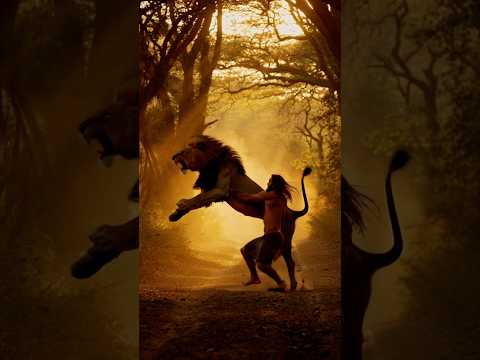
Samson’s story? It’s full of sudden, raw power—and a weird, heavy silence after the action. There’s the scene itself, the way God’s power gets described, the vow that makes Samson different, and the setting in Timnah.
The Biblical Account in Judges 14:5-6
Judges 14:5-6 tells us a young lion jumped out at Samson as he walked near Timnah. The text says, “the Spirit of the LORD came upon him,” and Samson ripped the lion apart with his bare hands—just like that, as if he was tearing a young goat.
He didn’t have anything in his hands. The moment feels fast, physical, and honestly, a bit shocking.
Different Bible translations, like the NIV version, keep the main details: a lion, sudden danger, and this burst of supernatural strength. Samson didn’t even tell his parents what happened, which later connects to the riddle he gives and the honey found in the lion’s carcass.
Role of Divine Empowerment and the Holy Spirit
The story ties Samson’s strength directly to the Spirit of the LORD. It’s not about muscles or weapons—it’s about God stepping in. The phrase “the Spirit came powerfully on him” shows God empowered Samson for a specific act.
This isn’t a permanent superpower. The Old Testament shows God’s Spirit showing up for certain moments, not sticking around all the time. The power feels temporary, like it’s switched on for this one wild event.
You might notice the “Spirit of the LORD” phrase works almost like the Holy Spirit in later Christian thought, but it’s not quite as fully developed here. Still, the sense is clear: Samson’s strength comes from God, not from himself.
Significance of the Nazirite Vow
Samson’s Nazirite vow (from Judges 13) sets him apart. Nazirites made special promises—no haircuts, no touching dead bodies, no wine. The vow marked a person as dedicated to God’s purpose.
Samson’s uncut hair becomes the physical sign of his vow and, in the story, the visible source of his strength. His Nazirite status turns the lion incident into more than just a wild feat—it’s part of a bigger calling, connected to Israel’s leadership in the Book of Judges.
Samson’s Encounter in Timnah
Timnah gives the story its setting. Samson went there to find a wife; it was a Philistine city, which matters because Israel and the Philistines were at odds.
After the lion, Samson later spots bees and honey in the carcass. That leads to his wedding riddle and, honestly, a lot of trouble with the Philistines. One wild act spirals into bigger conflicts—Samson’s personal story gets tangled with national struggles.
Other Biblical References to Lion-Slaying Feats

The Bible actually gives us a few scenes where people face wild animals and, somehow, survive. These stories highlight what happened, where, and how God’s power gets described.
David’s Confrontation With Lions and Bears
David’s story comes up in 1 Samuel 17. As a young shepherd, he tells Saul he killed both a lion and a bear to protect his father’s sheep. He grabbed each animal, struck it, and rescued the lamb.
David credits God for those victories. He says the Lord delivered him from the lion and the bear, which gives him the guts to face Goliath with just a sling.
The story doesn’t get bogged down in fighting technique. Instead, it links David’s faith and past experiences to his confidence before the giant. His shepherd life prepared him for bigger battles—at least, that’s how the text frames it.
Comparisons With Other Miraculous Acts
You can line up David’s stories with Samson’s and with other Bible tales where God steps in to help people do violent things. In Samson’s lion moment (Judges 14), the text says the Spirit of the Lord rushed on him, so he tore the lion apart.
David, though, talks more about God delivering him. He frames his own skills as just part of being a shepherd, but he makes it clear his courage comes from faith.
These stories tend to follow a pattern. There’s a sudden threat, someone reacts, and then God steps in.
Samson’s story highlights this wild, supernatural strength. David’s experiences, on the other hand, seem to prepare him for leadership and show his trust in God before the famous showdown in 1 Samuel 17.
Both stories really push the idea that, in the end, it’s God’s help that matters just as much as what any person does.


