
People sometimes say seahorses are blind, but honestly, that’s just not true. Seahorses actually have pretty sharp eyesight, and they can move each eye separately—which is a wild trick that helps them spot tiny prey and keep a lookout for trouble.
Let’s dig into how their unusual eyes work and why those eyes matter so much for their survival.

If you’re curious about seahorse biology, you’ll see how Hippocampus species use their vision for some clever hunting moves. Their eyesight shapes their behavior, and honestly, protecting their habitats is a big deal for keeping them safe.
Want to know how seahorse sight stacks up against other fish? Or what this all means for conservation? Keep reading.
Seahorse Eyesight: Are Seahorses Blind?

Seahorses can definitely see. They hunt tiny shrimp, move each eye on its own, and have some cool features that help them spot and catch their food.
How Seahorses See Underwater
Seahorses (genus Hippocampus) use their vision as the main way to find food. Their eyes focus on small, moving prey like mysid shrimp or copepods.
A lot of species have a retinal spot called a fovea that gives them sharper detail in a small part of their view. That’s where they aim.
Water tends to blur light and mess with colors. Seahorses deal with this by packing lots of photoreceptors near their fovea.
That helps them pick out tiny targets close by, whether they’re in seagrass beds or coral. Their eyes adapt to different water types—some work better in green, murky places, while others handle clear, blue reefs.
The Role of Independent Eye Movement
Each seahorse eye can move on its own. You might see one eye looking left while the other stares right.
This trick gives them a wide field of view without moving their body, so they can scan for prey and danger while blending in.
When they’re stalking prey, it’s handy. One eye tracks a shrimp while the other keeps watch for predators.
This means less head movement, which keeps them from spooking their prey. Plus, comparing what each eye sees helps them judge distance for those precise strikes.
Unique Adaptations for Hunting
Seahorses hunt by hiding and striking fast. Their snout works like a tiny vacuum: once they lock onto prey, they snap up food with a rapid suction.
That strike? It’s over in just a split second.
A few features make this possible:
- Their prehensile tail anchors them to plants so they stay hidden.
- The dorsal fin gives them a quick burst of speed during a strike.
- The fovea and dense photoreceptors help them spot tiny, nearby prey.
- Independent eyes keep them aware of both prey and threats.
Different species have their own eye tweaks and habitat preferences, but they all use these tricks to spot, aim at, and grab small, fast-moving prey.
Seahorse Biology, Behavior, and Conservation
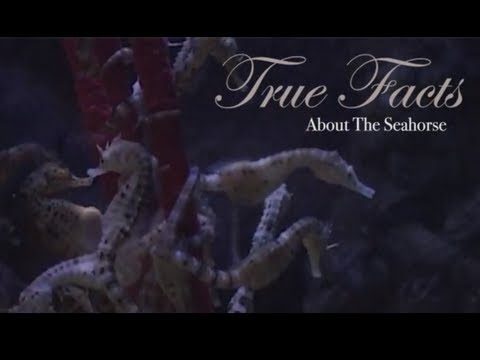
Seahorses have some pretty weird bodies, quirky feeding habits, and they’re facing real threats from fishing and habitat loss. Here’s how their anatomy helps them hunt, where they hang out, and what people are trying to do to protect them.
Physical Features and Vision-Related Anatomy
Seahorses belong to the Syngnathidae family, which includes pipefish. Their bodies have segmented bony plates instead of scales.
This armor keeps them safe, but it means they can’t bend much.
They swim upright, using a fast-beating dorsal fin to move and small pectoral fins near their head to steer. Their prehensile tail lets them grab onto seagrass, coral, or mangrove roots so they don’t drift away.
Their eyes move independently, giving them a wide view and helping with depth perception during close-up hunting. They rely on vision at short range, since their mouths act like little straws—they have to get really close to suck in prey.
Their eye setup is built for tracking quick, tiny animals, not for seeing far.
Hunting and Feeding Behaviors
Seahorses eat tiny critters like copepods, brine shrimp, mysid shrimp, and other small crustaceans and plankton. They either sit and wait or slowly sneak up on prey, then snap their head and suck in food.
They eat almost constantly, since they don’t have a stomach and food moves through them fast. Their long snout and quick suction work best when prey is right in front of them.
In thick seagrass or coral, they’ll poke around and feed as they move. In more open spots, they usually ambush prey while anchored with their tail.
Their special feeding style fits their body: a small mouth, stiff body, and fast dorsal-fin push let them pull off those quick, close-up strikes.
Habitat, Threats, and Conservation Efforts
Seahorses hang out in shallow coastal spots—think seagrass beds, coral reefs, and mangroves. These places give them something to grab with their tails and plenty of tiny crustaceans and plankton to munch on.
They face some tough threats. Trawl and seine fisheries often catch them by accident, and people collect them for aquariums or traditional medicine. Pollution and coastal development can wreck their homes, too.
Fishing practices like overfishing and destructive trawling hit both seahorses and their food hard. When that happens, their numbers drop.
Groups like Project Seahorse work to change things. They push for marine protected areas, better fishing rules, and captive-breeding programs to take pressure off wild populations.
Protecting seagrass and mangroves, cutting back on trawling, and keeping an eye on seahorse numbers all make a difference. If you want to help, you can pick sustainably sourced aquarium animals or support habitat protection policies.


