
Ever get a chill thinking about running into a lion? Most of us do. The truth is, lions stick to hunting wild animals, not people.
Attacks on humans almost never happen. Lions don’t really find people tasty—cases where they eat humans are super rare and usually extreme.

Let’s look at how these scary myths started. Why did a few lions in history turn into man-eaters?
Sometimes, injury or hunger pushes a lion to target humans. I’ll give you real examples and some facts that cut through the fear.
Do Lions Find Humans Tasty? Myths and Realities
Lions eat wild hoofed animals—zebra, antelope, buffalo, you name it. They usually keep their distance from people.
Sometimes, though, a lion will attack a person. That usually happens when the animal is hurt, old, or can’t find its normal prey.
Lions’ Natural Diet and Prey Preferences
Lions (Panthera leo) chase after big herbivores like zebra, wildebeest, and buffalo. They like animals they can catch and drag, and often hunt together to take down the big ones.
You’ll see pride members sharing their meals. The strongest adults eat first.
Lions don’t go after small or unfamiliar targets. People just aren’t on their menu.
Human bodies don’t give them as much energy as wild prey. What lions eat depends more on what’s around and what they can catch, not curiosity.
Why Lions Rarely Attack or Eat Humans
Lions attack people when someone wanders where lions hunt or rest at night. Walking alone after dark in lion country? That’s risky.
Leaving kids or livestock out in the open also ups the danger. Most attacks happen by chance, not because lions prefer humans.
Healthy lions with good teeth go after big wild animals. When food is plentiful, they have zero reason to hunt people.
Attacks make the news because they’re rare and, sadly, often deadly. That makes them seem more common than they really are.
What Drives Man-Eating Behavior in Lions?
Sometimes, old age, bad teeth, or injuries turn a lion into a man-eater. If prey is scarce, a struggling lion might find humans easier to catch.
History has a few wild examples, like the Tsavo man-eaters. Dental problems and hunger pushed those lions to target people (read more on that in the Science article).
Human actions matter, too. When settlements grow or livestock grazes in lion territory, encounters go up.
Sleeping outside or leaving animals unprotected at night? That’s risky. Using lights and secure enclosures helps keep everyone safer.
When Lions Become Man-Eaters: Famous Cases and Contributing Factors
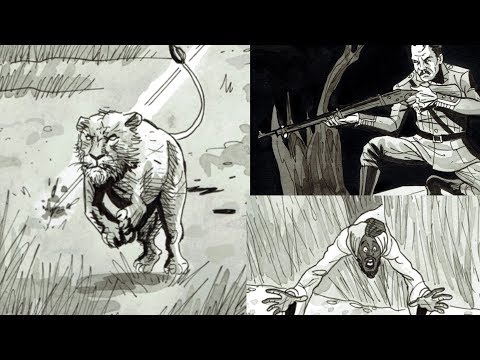
Let’s dig into why some lions turn to hunting people. The famous Tsavo case? It’s a wild story.
Habitat changes and prey shortages can raise the risk. Injuries, hunger, and human expansion all play a role.
The Man-Eaters of Tsavo: A Historic Account
Back in 1898, two male lions killed dozens of railway workers in Kenya. Colonel John Patterson eventually shot both after weeks of terror.
Researchers looked at their teeth and DNA to figure out what went wrong. Turns out, one had rotten, worn teeth—hunting big prey hurt too much.
That pain made the lions go after easier meals, like sleeping workers. DNA tests found wildebeest and other animals in their diet, so they didn’t just eat humans.
Hyenas probably scavenged some of the bodies, which muddied the early reports. The Tsavo story stands out, but it shows how injury or sickness, plus opportunity, can change a lion’s habits.
Habitat Loss and Prey Depletion
When people cut up lion habitats, wild herds shrink. Farms, roads, and towns take over grasslands.
Lions then have fewer options for food. If prey gets scarce, lions travel farther and sometimes risk hunting easier targets.
Young or injured lions, especially, may go after people or livestock. Human settlements near broken-up habitat make run-ins more likely, especially at night.
You can help by protecting wild corridors and keeping livestock safe after dark. Healthy wild prey means lions are less likely to see us as dinner.
Human-Lion Conflict and Ongoing Risks
When people and lions live close together, daily routines can actually ramp up conflict. Open camps at night, leaving bomas unguarded, or tossing carcasses near villages? These things pull lions right in.
People often react with fear or even kill lions in retaliation, which just fuels the cycle. It’s a tough situation, and honestly, who wouldn’t feel uneasy with lions roaming nearby?
Lions with medical issues—think broken jaws or bad teeth—face extra challenges. Injured cats start hunting for softer, easier meals.
If you add drought, sick prey, or shrinking habitats, it’s no wonder this keeps happening, just like it did at Tsavo. Conservation groups step in by building predator-proof enclosures, organizing community patrols, and sending out rapid response teams. These efforts have actually helped reduce attacks.
You can make a difference, too. Use lanterns at night, lock up livestock in strong pens, and let wildlife authorities know if you spot a wounded big cat. Small changes like these can keep both people and lions safer.


