
If a lion comes after you, don’t run. Stand tall, try to look bigger, and back away slowly while keeping your eyes locked on the animal.
These steps lower the odds of the lion seeing you as prey. Honestly, they give you the best chance to walk away in one piece.

Let’s get into what you should do in the moment. You’ll find practical steps, ways to fight back if you absolutely have to, and how understanding lion behavior shapes your choices.
Stay calm, look big and intimidating, and back away slowly—that simple plan usually works.
What to Do If a Lion Chases You
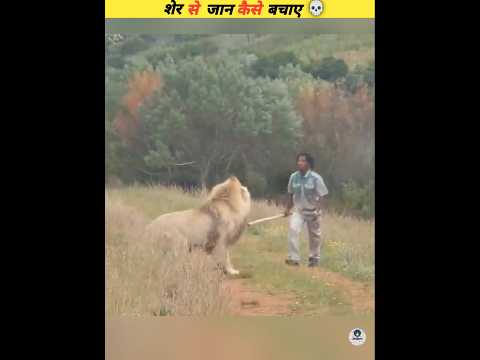
Try not to panic. Face the lion, and do your best to look big and threatening.
Use loud noises, shine bright lights, or grab anything nearby to defend yourself and slow the animal down while you back away carefully.
Reacting Immediately: Stand Your Ground
Don’t run. Plant your feet, stare the lion down, and keep your eyes on it.
Move backward slowly if you have space, keeping your body steady and your hands where the lion can see them.
Shout with a low, strong voice, and move with purpose. If you’ve got a jacket or backpack, raise it over your head to change your shape.
If the lion pauses, keep backing away. Don’t turn suddenly or move fast—those things could trigger a chase.
If the lion charges and gets close, stay on your feet and fight back. Aim for its face and throat.
Use a stick, your fists, or anything hard you can grab. If you fall, protect your neck and head.
Why You Should Never Run
Lions chase things that run. Sprinting away just makes you look like prey.
Even a quick dash tells the lion to chase, and it’s way faster than you’ll ever be.
You can outsmart a lion, but you can’t outrun it. Hold your ground, keep eye contact, and move with purpose to show you’re not easy prey.
If you’re with others, don’t split up—running just draws attention and leaves you alone.
How to Make Yourself Look Larger
Raise your arms, open your jacket wide, or climb up on a rock if you can. Changing your shape might make the lion pause and think twice.
If you’re in a group, bunch up together so you look like a single big creature. Face forward and don’t crouch.
Move slowly and on purpose. If you flail or panic, it ruins the effect.
Try to intimidate, not invite. Stomp, clap, and shout firmly.
Don’t crouch down, scream wildly, or turn your back—those things make you look smaller and weaker.
Using Light, Noise, and Items to Deter a Lion
At night, bright lights can throw a lion off. Shine a flashlight or headlamp right into its face and wave it around a bit.
Lions aren’t exactly scared of light, but a sudden glare can break their focus.
Make loud, steady noise—shout, bang metal, or use an air horn if you have one. The point is to show you’re alert and not an easy target.
If you’ve got bear spray, aim for the lion’s face and use it up close.
Throw things only if it makes you look bigger or slows the lion down. Toss rocks, sticks, or even a water bottle if you have to.
Never offer food or turn away. Always face the lion and use whatever you can to stay upright while you back away.
Prevention and Understanding Lion Behavior

Learn how lions act, what clues they leave, and how you can lower your risk. Watch for tracks, make noise, stick with others, and avoid places where lions might hide.
Recognizing Lion Warning Signs
Look for scat, fresh paw prints, or tracks in soft dirt. If you spot tracks with claws or a stride longer than yours, a big cat’s been there recently.
Watch for torn-up carcasses or half-eaten prey. That usually means you’re in a hunting area.
Listen for birds or animals making alarm calls. If a group of animals suddenly goes quiet, a predator could be nearby.
See scratch marks or tufts of hair on trees? Give that spot a wide berth.
Keep binoculars or a camera with zoom handy. Scan ridgelines and bushes before you walk into them.
If you spot any of these signs nearby, change your route and stay alert.
Traveling Safely in Lion Habitats
Travel in groups of at least three if you can. Lions are less likely to approach a bigger group, and more eyes help spot trouble early.
Stick together—don’t let anyone fall behind.
Make noise as you walk—talk, sing, or blow a whistle now and then. Noise lets lions know you’re there and helps avoid surprise run-ins.
Carry pepper spray for big animals or an air horn if local rules allow.
Pick routes that stay in open ground, and avoid being out at dawn or dusk when lions hunt more.
Tell someone where you’re going and when you’ll be back. Bring a charged phone, a first-aid kit, and a sturdy walking stick to make yourself look bigger or defend yourself if you need to.
Avoiding Dense Vegetation and Other Risky Areas
Lions love hiding in dense brush, reed beds, and gullies. These spots make it easy for them to ambush prey—or people. Try to stick to open plains, highways, or cleared trails where you can actually see 50 to 100 meters ahead.
If you have to cross thick cover, don’t linger. Move through quickly and stay with your group.
Steer clear of watering holes at night. Places where prey gather are risky, too. Never walk up to a pride or their cubs; a lioness protecting her young might charge without any warning.
Listen to wildlife signs and whatever the local rangers recommend. They know what they’re talking about.
When you camp, pick a clear, elevated spot for your tent. Store food in sealed containers, and keep it away from where you sleep.
It’s smart to follow park rules about waste and keeping your distance from animals. That way, you help with lion conservation and make sure they don’t get too used to people.


