
You’ll watch a powerful king lose his edge as age creeps in and rivals circle closer. Old male lions usually lose their place in the pride, struggle to hunt on their own, and face a much higher risk of injury, starvation, or being forced out by younger males.

You’ll notice the signs of aging—slower steps, worn teeth, a fading mane—and what these changes really mean for survival and social status. This post digs into how aging shifts a male lion’s daily routine and his role in the pride, letting you follow the journey from peak power to the final days.
Stages and Signs of Aging in Male Lions
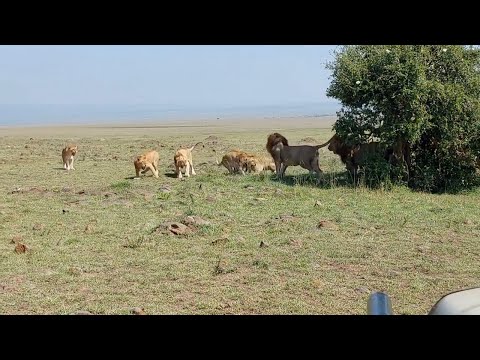
You’ll see the changes as a male lion goes from cub to old age: how his body and social role shift, how long each stage sticks around, and the clues that set old males apart from those in their prime.
Physical Changes in Aging Lions
As male lions get older, their muscles shrink and stamina fades. You’ll notice they move slower, don’t chase as far, and rest more between hunts.
Teeth get worn down and sometimes break, making it tough to bite or tear meat. That leads to weight loss and weaker jaws.
The mane changes too. Around eight years old, it starts to thin out, get patchy, or lose color. Scars and faded fur tell the story of old battles and a long life.
Sight and hearing often get worse, so older lions react slower to both prey and threats.
Arthritis and joint pain show up pretty often. You might see a limp, trouble jumping, and difficulty climbing rough ground. These limits make hunting harder and put him at risk of losing dominance.
Lifespan and Cubhood to Adulthood
A male lion’s life follows a pretty clear timeline. Cubs rely on their moms for the first two years.
From ages two to five, young males leave the pride, usually teaming up with brothers or other young males. These coalitions help them take over new prides later.
Prime males usually control territory and mates from about five to ten years old. After ten, most start to decline.
Wild male lions generally live about 10 to 14 years, though some don’t make it that long because of fights, injuries, or starvation. Lions in captivity can reach their late teens or even early twenties, thanks to regular meals and vet care.
When you judge a lion’s age, look at his behavior, social role, and physical shape. If he’s stopped defending territory or mating, he’s probably past his best years.
Identifying Old Male Lions
You can spot an old male lion by checking a few obvious signs. Look for worn or missing teeth, a slack jaw, and a sagging lower lip.
Split or shortened mane hairs usually show up after age eight. Heavy scars on the face and body mean he’s survived a lot of fights.
Watch how he acts: an old male hunts less, avoids fighting, and may have been pushed out of the pride. He might live alone or with a small, weak coalition.
Weight loss, sunken flanks, and slow steps are big clues. You’ll want to use several of these signs together, since things like climate and genetics can also change mane size and coat.
If you want more details on aging traits, check out this guide on how to age a lion.
Impact of Aging on Male Lions’ Life and Social Status

You’ll see how getting old strips a male lion of power, pushes him out of his pride, and leaves him open to hunger, rivals, and even scavengers. These shifts change his daily risks and odds of survival.
Loss of Pride and Territorial Displacement
When your strength and mane start to fade, rival males notice. Other coalitions attack, hoping to grab the pride’s territory and the females.
If you lose a fight, you can lose your pride in just days or weeks.
Without territory, you stop leading hunts and rarely get to mate. Females might reject you, or new males guard them and kill any cubs you fathered.
Your social rank drops fast, and any allies you had in the pride usually move on as younger males take over.
Survival Challenges After Exile
Once you’re forced out, you have to survive alone or with a small, weak group. Finding food takes more energy, and older males tire quickly and struggle to catch fast prey.
You’re more likely to get hurt fighting over carcasses or sneaking into another pride’s area. Injuries heal slowly and make hunting or self-defense even tougher.
When food gets scarce, weight drops, disease can set in, and the risk of dying goes up—sometimes within just a few months or years.
Vulnerability to Scavengers and Predators
As your body gets weaker, hyenas and vultures start taking advantage. Hyena clans will usually test you first. If you show any weakness, they’ll harass you and steal your carcasses.
Vultures tend to circle early, drawing unwanted attention. That just makes it easier for others to steal from you.
When you lose a kill to scavengers, you waste energy and get nothing in return. This just makes starvation hit harder.
Other predators—and even healthy pride males—might see you as an easy target after an injury. If you’re alone, you stand out even more, so attacks become more likely.
In your final months, scavengers and predators seem to lurk everywhere. It’s a rough way to go, honestly.


