
Ever wondered which bees actually sting in the UK? You’re definitely not alone there. Plenty of bees just go about their business, but only a handful will sting—and honestly, they usually do that only if they feel threatened.
In the UK, honey bees and bumblebees are the main culprits when it comes to stinging. Honey bees, though, rarely sting unless you really provoke them.

Bumblebees can sting more than once, but they’re generally pretty chill. They usually leave you alone unless you mess with their nest.
Most other bees, like solitary bees, don’t sting at all. They live solo and don’t have a colony to protect, so there’s just not much reason for them to get defensive.
Knowing which bees might sting can make you feel a lot more relaxed around them. No one likes surprise stings, right?
If you want to get better at spotting these bees or just want some tips to stay safe, stick around. For a deeper dive, check out this guide on which bees sting in the UK.
Which Bees Sting in the UK?
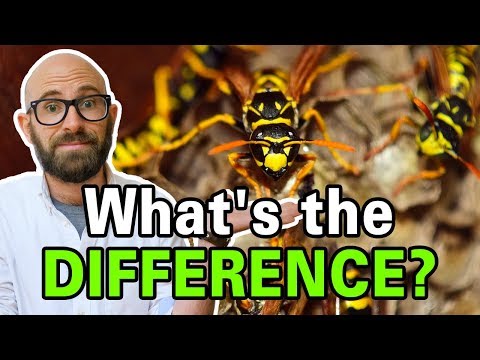
Not every bee in the UK stings, but a few species do, usually to defend themselves. If you know which ones might sting, you’ll have an easier time avoiding trouble.
Common UK Bee Species That Can Sting
Honeybees and bumblebees are the main stingers in the UK. Honeybees usually only sting when they feel their hive is in danger.
They get pretty protective if you wander too close or make sudden movements around their home.
Bumblebees can sting too, and unlike honeybees, they can do it more than once. Still, they tend to be gentle and aren’t really looking for a fight.
Solitary bees almost never sting, so you probably won’t have any issues with them. Wasps, though, often get mixed up with bees—and they sting too—but that’s a whole different story.
Honeybees and Their Stinging Behaviour
Honeybees usually sting to protect their colony. If a honeybee stings you, the stinger gets stuck in your skin, and the bee dies because it can’t pull the barbed stinger out.
Bee venom can cause pain and swelling, and sometimes allergic reactions in people. Honeybees get especially defensive if you stand near the hive entrance or disturb it by casting shadows or causing vibrations.
If you get stung, try not to swat at the bee. That just makes things worse and can set off the rest of the hive.
Remove the stinger as quickly as you can. That helps limit how much venom gets in.
Stingless and Solitary Bees in the UK
A lot of UK bees, especially solitary bees, don’t sting or have such mild stings you’d barely notice. These bees live on their own, not in big colonies.
Since they aren’t guarding a hive, they’re not aggressive. You can watch them pollinate flowers and just enjoy the moment.
Some solitary bees might bite, but honestly, their bites are harmless or so mild you probably won’t feel a thing.
If you know which bees don’t sting, you can appreciate just how many helpful, gentle species are out there.
For more info on stinging bees, check out this friendly guide to identifying UK stinging bees.
Bee and Wasp Stings: Identification and Reactions

If you get stung, knowing whether it was a bee or a wasp can help you react faster. Reactions can be pretty mild, like a bit of swelling, or much more serious, like anaphylaxis in rare cases.
It’s good to know the symptoms so you can treat the sting or get help if you need it.
How to Identify Bee Versus Wasp Stings
Bee stings usually leave the stinger behind in your skin. If you don’t remove it quickly, it can cause more irritation.
Bees look round and fuzzy, and their stings hurt right away. You’ll see redness and swelling at the spot.
Wasps don’t leave their stinger behind, which means they can sting you more than once. Their stings feel sharper and give a burning pain.
Wasps look slimmer, with smooth bodies and those bright yellow and black stripes.
If you know the difference, you’ll know what to do. Bee stings? Get that stinger out fast. Wasp stings? Clean the area and be ready for more than one sting.
Typical Local Reactions to Bee Stings
Most bee stings just cause pain, redness, and some swelling where you got stung. You might see a raised red bump that itches or hurts for a couple of days.
A cold pack helps bring down swelling and eases the pain. Over-the-counter creams like hydrocortisone or antihistamines can help with itching and redness.
Usually, the reaction stays right where you got stung. If the swelling spreads or gets worse, keep an eye on it or talk to a doctor.
Severe Allergic Reactions and Anaphylaxis
Some folks have pretty severe allergic reactions when a bee or wasp stings them. You might notice widespread hives or trouble breathing.
Swelling in the face or throat can happen too. Dizziness or a rapid pulse are also warning signs.
Anaphylaxis is no joke—it can quickly lead to anaphylactic shock, and that’s a real emergency. Don’t wait; if you see these symptoms, just call 911 or emergency services right away.
If you know you’ve got allergies, it’s smart to keep an epinephrine auto-injector on hand. Use it immediately if symptoms start.
Reacting quickly can honestly make all the difference during a severe sting reaction.
Want more details? Check out how to spot and handle reactions from bee and wasp stings.


