
When looking for a loyal and protective furry friend, you want a breed that will stand by your side through thick and thin. The Akita and German Shepherd are among the top choices for protective and loyal companions. These breeds not only form strong bonds with their families but also have instincts that make them excellent guardians.
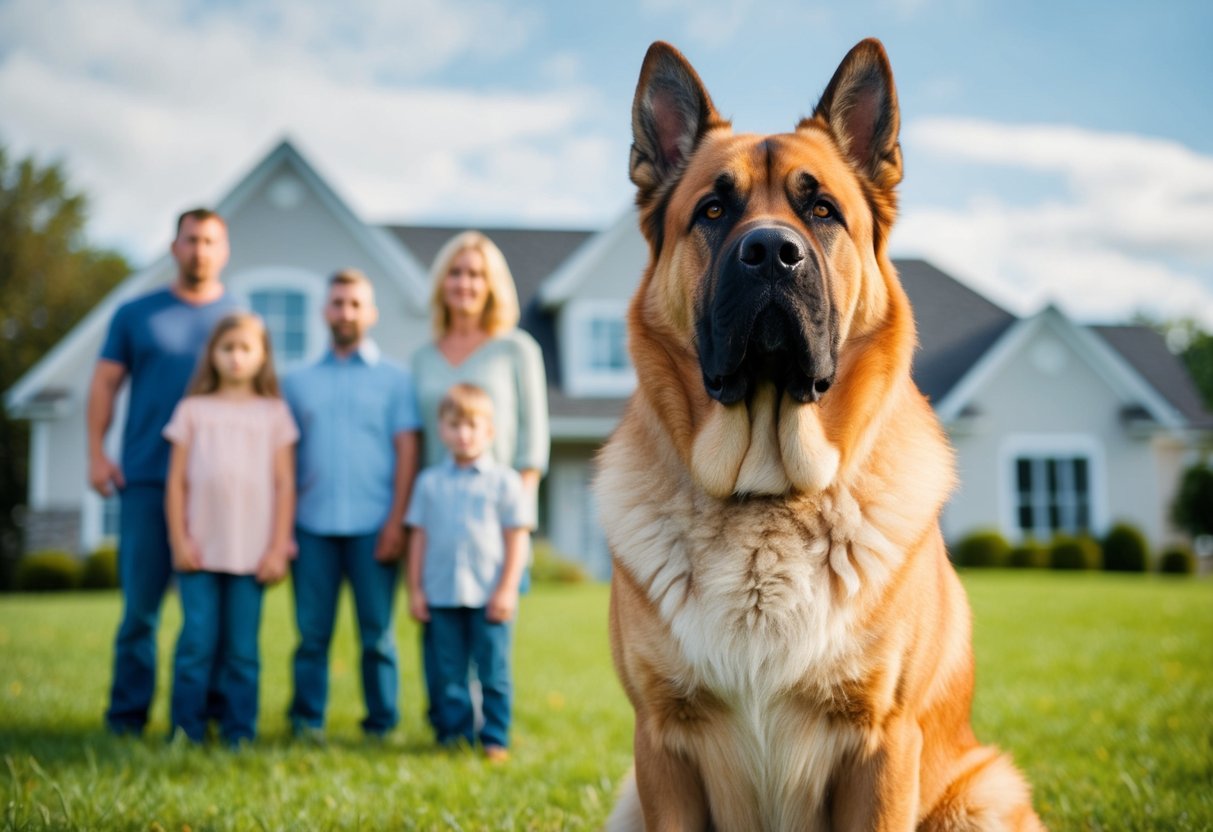
As you explore the characteristics of these dogs, you might discover how their loyalty translates into a deep connection with you. Whether they are providing comfort or keeping a watchful eye on your home, having a loyal and protective dog can bring peace of mind.
Choosing the right breed can make all the difference in how you experience companionship. With the right information, you’ll be able to find a pet that perfectly matches your lifestyle and gives you the loyalty and protection you desire.
Defining Loyalty and Protection in Dog Breeds

When you think about the bond between dogs and humans, two key ideas come to mind: loyalty and protection. Understanding these traits helps you choose the right breed for your lifestyle.
The Traits of a Loyal Dog
Loyalty in dogs is about their deep emotional bond with you. A loyal dog will always want to be by your side, providing companionship and support. These dogs are not just pets; they see you as their family.
Some common traits of loyal dogs include:
- Affectionate Behavior: They seek your attention and enjoy cuddling or playing.
- Obedience: Loyal dogs are usually eager to please. They listen to commands and follow your lead.
- Trustworthiness: They feel secure in your presence and often protect you by staying close.
Breeds such as the Labrador Retriever and German Shepherd are often noted for their loyalty. They tend to form strong attachments and stand by their owners through thick and thin.
The Instincts of a Protective Canine
Protection in dogs comes from their natural instincts. Many dogs have a strong drive to guard their families and territory. This instinct can be seen in various behaviors, like barking when someone approaches or staying alert in unfamiliar situations.
Key characteristics of protective dogs include:
- Watchfulness: They are often keenly aware of their surroundings and quickly notice changes.
- Courage: Protective dogs tend to show bravery when they sense danger, ready to defend their loved ones.
- Intelligence: These dogs can assess situations and respond appropriately, which makes them effective guardians.
Breeds known for protective instincts include the Doberman Pinscher and Rottweiler. They are not only loyal but also reliable protectors, ensuring your safety while remaining loving companions.
Top Guard Dog Breeds and Their Characteristics
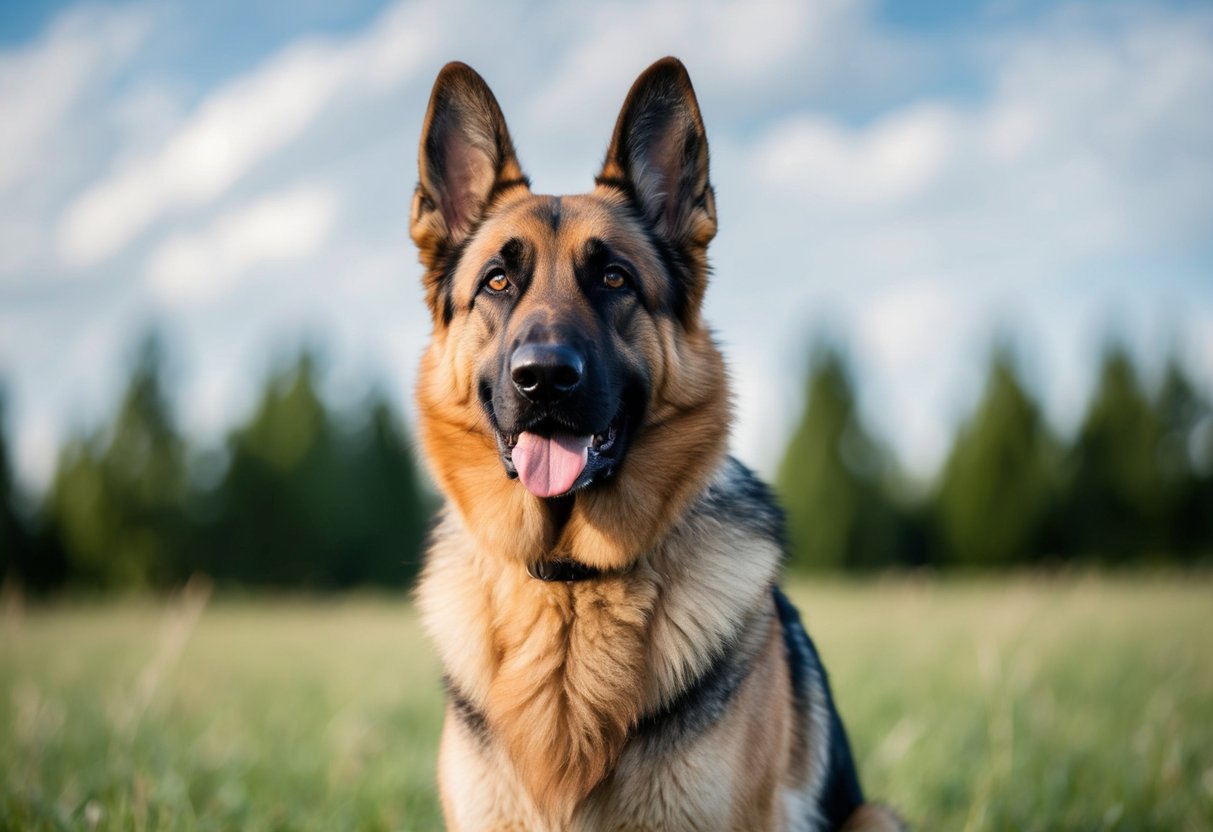
If you’re looking for a protective and loyal dog, certain breeds stand out. These dogs are known not just for their guarding instinct but also for their loving nature toward their families.
The German Shepherd: An Iconic Guardian
German Shepherds are among the best guard dog breeds. They are highly intelligent and trainable. With their strong protective instincts, they make excellent watchdogs. Their loyalty to you and your family is unmatched.
These dogs are also courageous and alert, always ready to act if they sense a threat. Their ability to learn commands quickly enhances their guarding ability. A German Shepherd will watch over your home and children with unwavering dedication.
Devotion of the Doberman Pinscher
Doberman Pinschers are known for their extreme loyalty and protective nature. They are both affectionate and energetic, making them great family dogs. Their keen senses allow them to be alert to any unusual activities around your home.
These dogs are also very trainable, which makes them effective guard dogs. You can feel safe knowing a Doberman will defend your family and property. Their strong bond with you will make them protective of your loved ones.
The Dependable Rottweiler
Rottweilers are powerful and confident dogs. They have a natural instinct to guard, making them perfect for protection roles. This breed is also known for its loyalty and loving nature toward family members.
Rottweilers are courageous and protective of their homes. With proper socialization and training, they adapt well to family life. You can trust a Rottweiler to safeguard your family while being a gentle companion at the same time.
The Stout-Hearted Bullmastiff
Bullmastiffs are gentle giants with a calm demeanor. They are incredibly loyal to their families and provide a watchful presence. Their size alone can deter unwanted visitors, but their loving nature makes them great companions as well.
They were originally bred to guard estates, and that instinct still exists today. With proper training, they become dedicated protectors. A Bullmastiff will stand by your side, offering both security and affection.
The Vigilant Belgian Malinois
Belgian Malinois are extremely smart and energetic dogs. They excel at various tasks, especially as protective dogs. Their alertness makes them great watchdogs, always aware of their surroundings.
Like German Shepherds, they are highly trainable and eager to please. Their loyalty to you is incredible, and they thrive on companionship. You can rely on a Belgian Malinois to be a loving pet and a fierce protector when necessary.
Training and Socialization for Protective Breeds
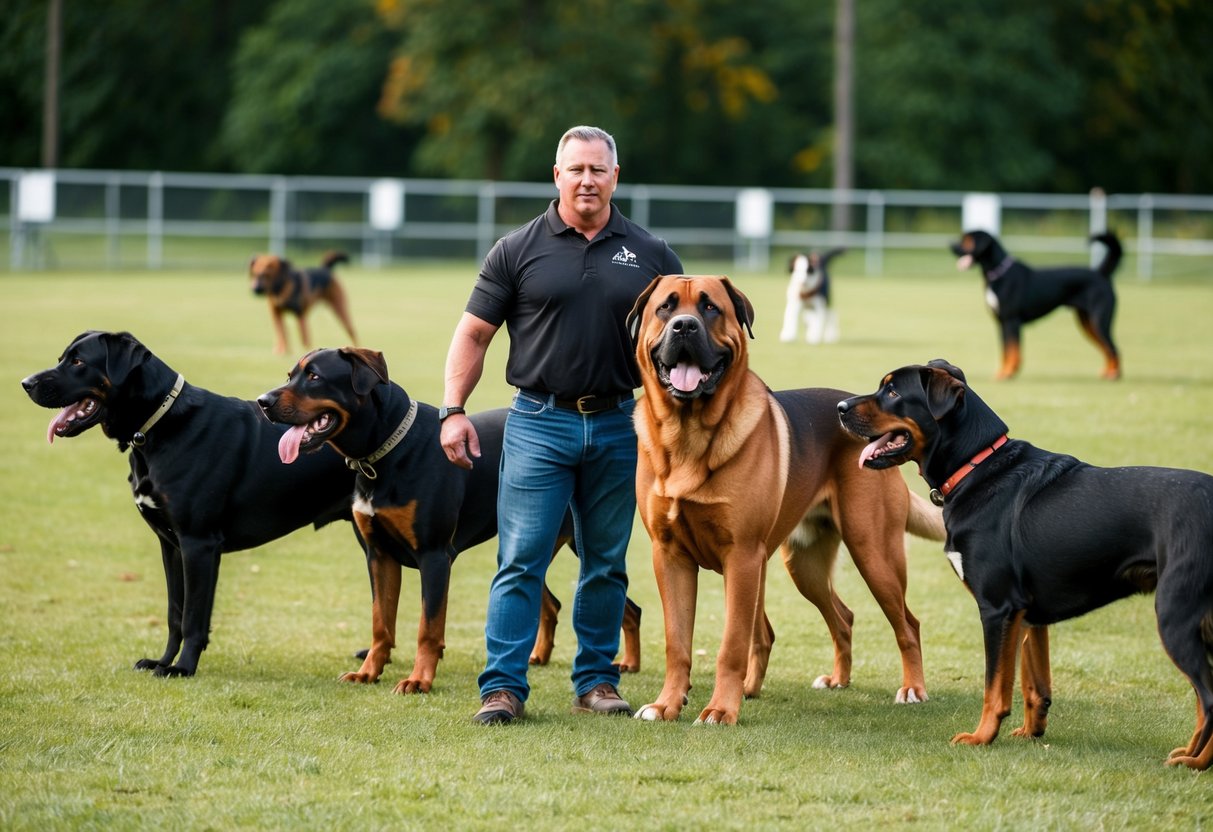
Training and socialization are crucial for protective dog breeds. They help shape their behavior, ensuring they develop into loyal and affectionate companions. A well-trained dog can effectively balance its protective instincts with friendly interactions.
Fundamentals of Dog Training
Effective dog training begins with understanding the basics. Start with positive reinforcement. Reward your dog with treats or praise when it displays desired behaviors. This method encourages your dog to repeat those actions.
Consistency is key. Use the same commands and rewards each time.
Make training sessions short, around 5 to 10 minutes, to keep your dog engaged. Choose a quiet environment for initial training to minimize distractions.
Focus on basic commands such as sit, stay, and come. These are essential for establishing control, especially when your dog’s protective instincts kick in.
Gradually introduce commands specific to protection, allowing your dog to learn in a controlled manner.
Socialization Techniques
Socialization helps your dog learn appropriate behavior in various situations. Start early, ideally when they are puppies, by exposing them to different people, pets, and environments. This exposure can prevent fearful reactions later.
You can use puppy classes to introduce your dog to other animals and people. Playdates with friendly dogs are also a great way to encourage positive interactions. Ensure these experiences are fun and stress-free.
Always supervise your dog during socialization attempts. If your dog reacts negatively, calmly remove them from the situation and try again later. This helps them learn to trust not only you but their surroundings, balancing their protective instincts with affectionate companionship.
Choosing a Protector: Family-Oriented Breeds
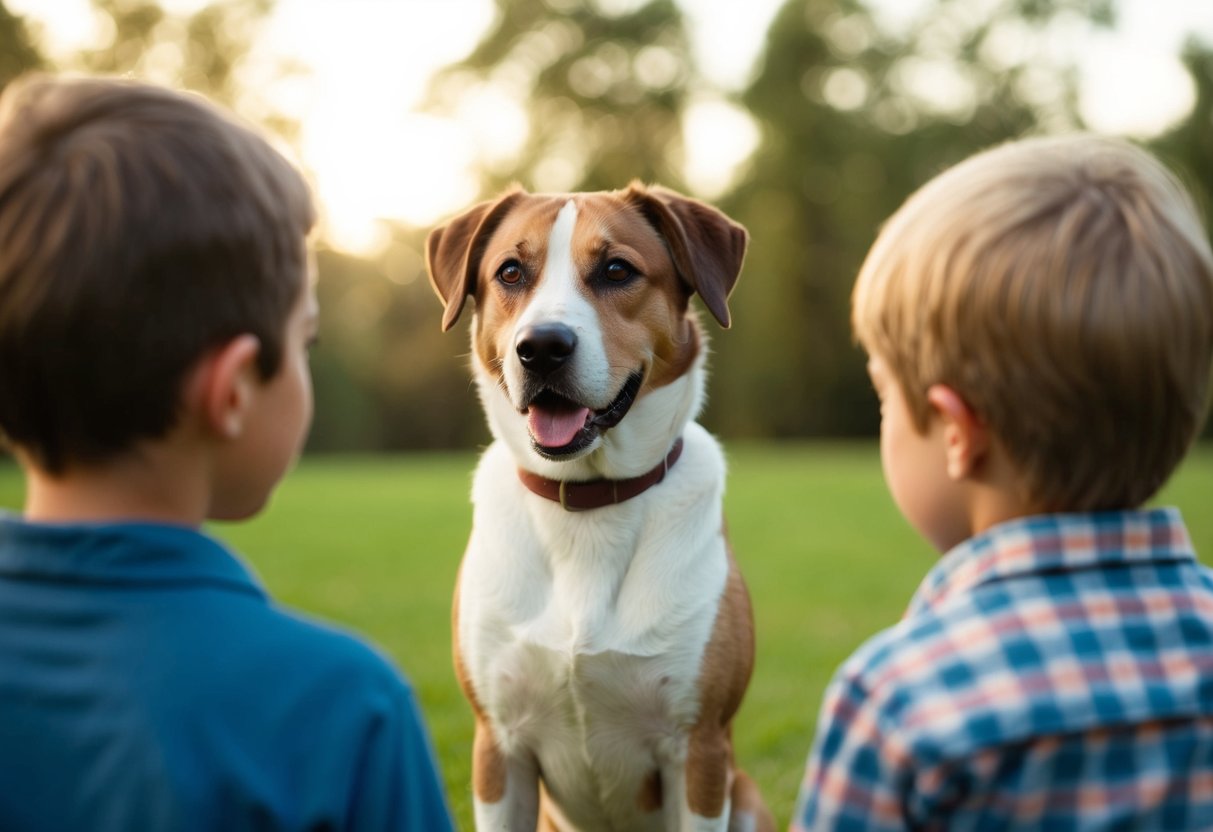
When selecting a family dog known for protection, it’s essential to find breeds that balance guarding instincts with a loving nature. Some dogs, often called gentle giants, are both safe and affectionate, making them excellent companions for families.
Balancing Protection with Family Life
Certain breeds excel at being protective while still fitting well into family life. For instance, the Akita is known for its loyalty and watchfulness. They’re naturally protective of their loved ones and can be great family pets when socialized early.
Giant breeds like the Great Dane also offer protection without being aggressive. Despite their size, they tend to have a friendly demeanor. Their protective nature makes them excellent watchdogs while being gentle with children and other pets.
Gentle Giants and Their Protective Nature
Gentle giants like the Mastiff, Saint Bernard, and Newfoundland are known for their calm and affectionate behavior. These breeds might look intimidating, but they are usually very friendly and good with kids.
The Mastiff has a strong protective instinct but is gentle with family. Meanwhile, the Saint Bernard is famous for its loving nature and can be a great protector without being overly aggressive. Similarly, Newfoundlands are known for their protective instincts, making them excellent family dogs. They tend to bond closely with children, ensuring safety and companionship.


