
Ever wondered how to tell a honey bee from a bumble bee? You’re definitely not alone. Both pollinate plants, but they look and act pretty differently.
The main differences? Honey bees are smaller, have slimmer bodies, and make big honey stores. Bumble bees are bigger, fuzzier, and mostly collect nectar just for immediate use.

You’ll probably notice honey bees living in huge, complex hives. They work together all year.
Bumble bees? Their colonies are smaller and only stick around for the season. Even their buzzing and stings aren’t quite the same, which can help you figure out which bee you’re looking at.
Knowing this stuff just makes being outdoors more interesting. Plus, it helps you protect these buzzing helpers.
Key Differences Between Honey Bees and Bumble Bees

You can spot the difference between honey bees and bumble bees by checking out how they look, act, and where they live. Even how they protect themselves sets them apart.
These details give you a better idea of their role in nature and how they fit into their habitats.
Physical Characteristics and Appearance
Honey bees are small and slim, usually about half an inch long. Their bodies have fine hairs, but they don’t really look fuzzy.
You’ll see golden brown and black stripes on honey bees, and those stripes look pretty neat and tidy.
Bumble bees, on the other hand, are bigger and rounder—think three-quarters of an inch or more. Thick hair covers their bodies, making them look super fuzzy.
That fuzz actually helps them stay warm when it’s chilly out. Their stripes aren’t as neat, with black, yellow, and sometimes orange all mixed together.
See a big, hairy bee? That’s probably a bumble bee. If it’s smaller and sleek, it’s likely a honey bee.
Behavior and Social Structure
Honey bees live in big colonies, sometimes with tens of thousands of bees. They stick to strict roles—workers, drones, and one queen.
You’ll often see honey bees flying out in groups during the day, gathering nectar.
Bumble bee colonies are much smaller, usually just a few hundred bees. Their social setup is simpler but still has a queen and workers.
Bumble bees aren’t as aggressive. They move slowly from flower to flower, even when it’s cool outside, thanks to all that fuzz.
Honey bees use a “waggle dance” to show each other where to find food. Bumble bees don’t bother with dancing; they just remember which flowers they like and fly right to them.
Nesting Preferences and Colony Size
Honey bees build their nests in hollow trees or man-made hives. They fill these spaces with wax honeycombs.
These hives can get pretty big and last all year. Beekeepers often manage honey bee colonies for honey and to keep them safe.
Bumble bees pick smaller, hidden spots like holes in the ground or old burrows. Their nests are tiny compared to honey bees’ and only last for one season.
Every spring, bumble bee colonies start from scratch.
The difference in colony size changes how long nests last and how much honey gets stored.
Stinging Abilities and Defense
Honey bees have barbed stingers that get stuck when they sting. If a honey bee stings you, it dies soon after because the stinger tears off.
So, honey bees don’t sting unless they really have to.
Bumble bees have smooth stingers, so they can sting more than once without hurting themselves. They’re generally calm but will sting if you mess with them.
Both use stings to defend their homes. Honey bees guard their big hives, while bumble bees protect their smaller nests.
Bumble bees’ size and their ability to sting more than once help them defend tight spaces a bit better.
If you want more details, check out this guide on honey bees vs bumble bees.
Roles in Pollination and Honey Production
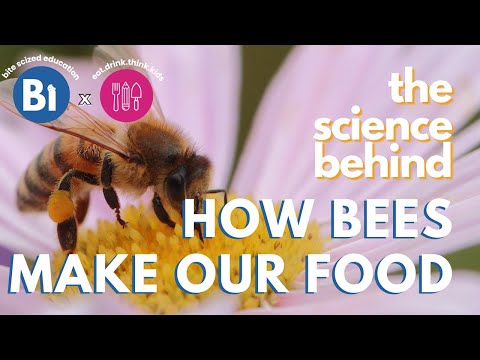
Honey bees and bumble bees both help plants grow and make fruit, but they do it in different ways. You’ll notice they each have their own style for collecting pollen and nectar.
They don’t just differ in how they pollinate; how they make honey and support their ecosystems isn’t the same either.
Pollination Methods and Effectiveness
Watch a honey bee, and you’ll see it dart from flower to flower, sometimes really quickly. Honey bees are efficient—they visit lots of flowers and transfer pollen as they go.
You’ll spot little “pollen baskets” on their legs, where they carry pollen back to the hive.
Bumble bees do things differently. They’re stronger and can reach flowers that honey bees can’t get to.
Their long tongues help them reach deep inside blossoms, making them great pollinators for certain plants.
Both types matter a lot for pollination, but bumble bees keep working in colder, windier weather. That’s a nice bonus if you’re hoping for a garden boost when honey bees are less active.
Buzz Pollination Explained
Bumble bees have a cool trick called buzz pollination. When a bumble bee lands on a flower, it vibrates its flight muscles without moving its wings.
This shakes loose pollen from flowers that hold on tight, like tomatoes or blueberries.
Honey bees can’t do buzz pollination. So, for crops that need it, bumble bees are essential.
If you grow plants needing buzz pollination, having bumble bees around really helps. Their buzzing shakes out more pollen, which means better fruit and seed growth.
Honey Production and Storage
Honey bees are the real pros at making honey. They gather nectar, fly back to their organized hives, and turn nectar into honey.
Inside the hive, they store honey in wax combs. This honey keeps the colony fed, especially when winter hits.
Bumble bees don’t store much honey. They eat nectar right away to fuel their short-term needs.
Their nests are small, and they hardly ever make honey to store for long.
If you care about harvesting honey, honey bees are the ones to watch. Bumble bees mostly stick to pollination and don’t focus on honey storage.
Contribution to Ecosystems
Honey bees and bumble bees both play a big part in keeping ecosystems healthy. Honey bees handle a lot of the large-scale pollination, so plants can grow fruits, seeds, and food that other animals rely on.
Bumble bees step in where things are a bit wilder or less managed. They take care of pollinating wildflowers and certain crops that really need buzz pollination, making sure those plants get a chance to reproduce.
If you support both kinds of bees, you help keep things balanced. Each bee does its own thing in nature, so flowers, veggies, and fruits can actually thrive in your garden—or honestly, just about anywhere.
If you’re curious about more differences between honey bees and bumble bees, take a look at this comparison of honey bees vs bumble bees.


