
Bed bugs spread quickly and can be difficult to eliminate. You usually get the best results by combining inspection, heat, steam, targeted products, and follow-up monitoring.
If you want to get rid of bed bugs for good, you need a layered plan that matches your infestation and reaches every hiding spot.

Bed bugs hide in mattress seams, furniture joints, baseboards, and cracks. A quick surface treatment often leaves eggs or hidden adults behind.
A reliable bed bug treatment focuses on both immediate knockdown and long-term bed bug control. Integrated pest management often provides the best results.
Best Overall Approach: Use Layered Treatment, Not A Single Product

The strongest bed bug treatments combine inspection, heat, cleaning, and monitoring. This approach gives you better coverage and reduces the chance that bed bugs survive in protected spots.
Why Integrated Pest Management Works
Integrated pest management matches the pest’s behavior. You remove hiding places, treat active areas, monitor progress, and repeat as needed.
When Heat Treatment Works Fast
A professional heat treatment can quickly kill bed bugs throughout a room. Heat reaches mattresses, furniture, and cracks at once.
Heat treatment often costs more than DIY methods, but it can be worth it when you need speed and broad coverage.
When Steam Treatment Is Useful
Steam treatment helps you treat seams, tufts, furniture edges, and tight spaces without relying only on chemicals. A steam cleaner can kill exposed bugs and eggs on contact when you work slowly and keep the nozzle close to the surface.
Why Foggers And Bug Bombs Miss The Mark
Foggers and bug bombs rarely reach the places bed bugs hide. They often scatter pests instead of eliminating them and usually miss bed bug eggs in protected areas.
What To Do First In The Infested Room

Your first steps should slow the spread, expose hiding spots, and prepare the room for treatment. Handling the room in the right order makes every later step more effective.
Find Bed Bug Hiding Spots And Confirm Activity
Check mattress seams, box springs, baseboards, cracks, furniture joints, and nearby clutter. Look for live bugs, black spots, shed skins, bed bug eggs, and signs of bed bug bites.
Contain Laundry, Linens, And Clutter
Seal bedding, clothes, and soft items in plastic bags before moving them. Avoid carrying loose items through the home to prevent spreading the infestation.
Vacuum, Steam, And Isolate The Bed
Vacuum edges, floor seams, and furniture details, then empty the vacuum carefully. Use a steam cleaner on accessible surfaces and pull the bed away from walls.
Protect Mattresses, Box Springs, And Furniture
Use mattress encasements and, when needed, box spring encasements to trap bugs inside and make inspection easier. Add bed bug interceptors or traps under bed legs to monitor activity during treatment.
Which Treatments Kill Bed Bugs And Which Are Backup Tools

The most effective products either kill bed bugs directly or make hidden zones unlivable. Some tools are strong enough for the main treatment, while others work better as support.
Desiccant Dusts For Hidden Areas
Desiccants like diatomaceous earth, silica aerogel, and products such as Cimexa can kill bed bugs by drying them out in protected spaces. These dusts work best in thin, targeted applications inside voids, cracks, and other hidden areas.
Where Bed Bug Sprays Fit
Bed bug sprays can help kill exposed insects or provide residual coverage on labeled surfaces. They are less effective deep inside walls, dense furniture, or clutter.
Why Resistance To Insecticides Matters
Many bed bugs no longer respond well to older insecticide classes. Pyrethroids and some neonicotinoids can still play a role, but resistance can make results inconsistent.
Natural Or Botanical Options
Products like EcoRaider and essential oils may help in limited situations, especially for light contact use. They are usually not the strongest choice for serious infestations.
When To Stop DIY And Call A Pro
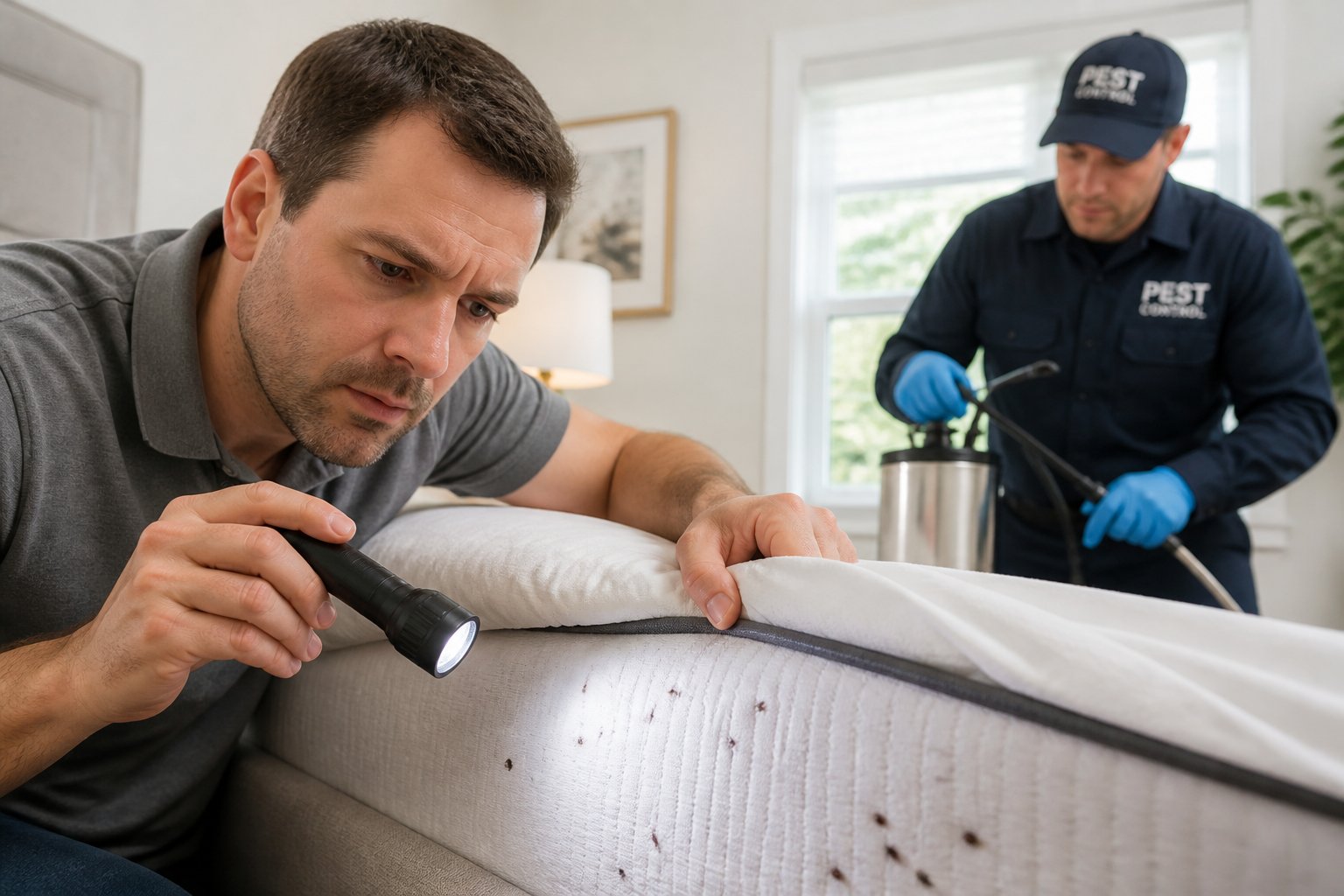
DIY methods can work for a small, contained problem. If you keep seeing bed bugs or bites after repeated treatment, you should call a professional.
Signs You Need Professional Help
Call a professional exterminator if you still see bed bugs after repeated treatment, if bites continue, or if bugs show up in several rooms. Rebounding activity often means eggs survived or hidden locations were missed.
How Apartment Living Changes The Decision
Bed bugs can move between units through walls, hallways, and shared furniture in apartments. Professional extermination and coordinated control often work better than isolated DIY efforts in these settings.
What A Good Bed Bug Service Plan Includes
A strong professional pest control plan should include inspection, treatment of cracks and seams, follow-up visits, and clear prep instructions. The plan should also explain which treatment methods will be used and how monitoring will continue after the first visit.
How To Judge Cost Versus Long-Term Results
When you compare heat treatment cost with repeated DIY spending, consider the total time, materials, and stress involved.
If multiple DIY rounds keep failing, you may pay more upfront for professional extermination, but you are more likely to solve the bed bug problem permanently.


