
You’ll spot squirrels nibbling nuts, raiding bird feeders, or sniffing around your garden. Squirrels eat a wide mix of foods—mostly nuts, seeds, fruits, fungi, and sometimes insects or eggs—so you can bet they’ll try almost anything edible you leave outside.

If you want to attract, avoid, or squirrel-proof an area, this post will show what squirrels usually eat and how they store food. You’ll also pick up some safe ways to feed them without causing problems.
You might be surprised by their favorites—like mushrooms or garden veggies. Their diet changes with the seasons and even depends on where you put food. This quick guide aims to help you understand squirrel behavior and make choices that work for your yard.
What Squirrels Typically Eat
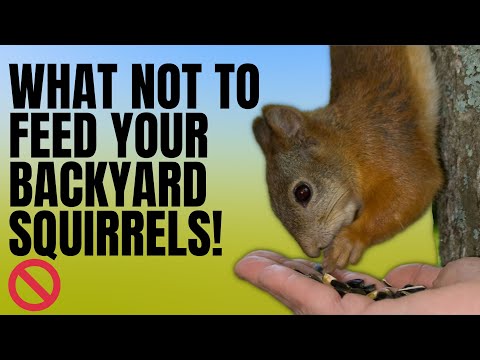
Squirrels go for high-energy foods like nuts and seeds, along with seasonal fruits and the occasional animal snack. When food gets scarce, they’ll get creative and eat some pretty odd things.
Nuts and Seeds Squirrels Love
Nuts make up the core of most squirrels’ diets. You’ll see them chasing after acorns, walnuts, hazelnuts, pecans, hickory nuts, and pine nuts. These nuts are packed with fat and calories.
Squirrels crack open tough shells with their teeth and usually bury or hide nuts in soil, leaf piles, or tree hollows for later.
Bird seed and seed mixes bring squirrels running to feeders. Sunflower seeds and pumpkin seeds are top picks. Unsalted peanuts are a treat, but don’t give them salted or flavored ones. If you want to keep them away, try squirrel-proof feeders or place food out of reach.
Favorite Fruits and Vegetables
Squirrels munch on lots of soft plant foods when they can find them. Berries, apples, and persimmons give them sugar and moisture, so you might catch squirrels eating fallen fruit or taking bites from branches.
Grapes and cherries also disappear fast in yards and orchards.
When squirrels find gardens or compost piles, they’ll take veggies like corn, carrots, zucchini, and tomatoes. They usually eat the softer parts and sometimes strip kernels from cobs or nibble at fruit flesh.
If you grow these crops, netting or raised barriers can help keep squirrels out.
Mushrooms, Fungi, and Barks
It’s not unusual to spot squirrels eating mushrooms, truffles, and other fungi on the forest floor. Fungi provide water, minerals, and nutrients that balance out a nut-heavy diet.
Some species sniff out buried fungi and dig them up.
When times get tough, squirrels strip tree bark and chew the soft layer underneath for carbs and moisture. This can hurt young trees or those with thin bark. If you care about your trees, try using guards or wraps on the trunks.
Insects, Eggs, and Surprising Foods
Squirrels don’t mind eating animal protein now and then. They’ll grab caterpillars, beetles, larvae, and other bugs for extra protein and fat.
You might see them digging in rotting wood or soil for insect larvae.
Sometimes, squirrels eat bird eggs or even small nestlings if they find an unprotected nest. They may scavenge dead animals or eat meat when other foods run out.
If you’d rather not encourage this, don’t leave pet food outside and make nests or coops harder to reach.
If you want to read more, check out What Do Squirrels Eat? Complete Guide (https://privatelandswildlife.com/what-do-squirrels-eat/) and The Top 10 Foods That Squirrels Absolutely Love (https://birdsology.com/the-top-10-foods-that-squirrels-absolutely-love/).
Feeding Squirrels: Methods, Cautions, and Special Considerations

Here’s how you can safely offer food, what squirrels do with it, and which foods to avoid. These tips focus on practical steps for helping squirrels in your yard or local park.
Scatter Hoarding and Food Storage
Squirrels use scatter hoarding—they hide small stashes of food all over your yard. This habit helps them get through winter and dry spells.
You might stumble across half-buried nuts, little holes stuffed with seeds, or piles of leaves where they’ve hidden food.
If you put out nuts or seeds, expect them to vanish pretty quickly. Squirrels often move their stash to new spots to trick would-be thieves.
Scatter-hoarding actually helps native plants too, since forgotten nuts can sprout into trees.
Keep feeding areas in the same spot so squirrels know where to look. Don’t leave big piles out; shallow trays or a squirrel feeder cut down on waste and keep rats away.
Backyard Squirrel Feeding Tips
Pick plain, unsalted nuts in the shell—walnuts, pecans, hazelnuts—and black oil sunflower seeds. Offer just a handful on a platform feeder or tray two or three times a week, so they don’t get too dependent.
Mix it up with seeds, fresh veggies, and the occasional bit of fruit for variety.
A sturdy feeder or heavy platform makes it easier for squirrels and tougher for pests. Squirrel-proof bird feeders can protect bird seed too.
Clean up feeding spots weekly and toss out any leftovers to stop mold and keep rodents away.
Put out fresh water in a shallow dish all year. In winter, high-fat nuts help them keep warm.
If you find orphaned babies, call a wildlife rehabilitator—don’t try to feed them formula unless you’ve been told how.
Diet Differences by Squirrel Species
Different squirrels eat different things. Tree squirrels like gray and red squirrels mostly eat nuts, seeds, fruit, and buds.
Ground squirrels stick to more seeds, grasses, and sometimes insects. If they’re in cities, they’ll even eat human scraps if they find them.
Red squirrels go for more seeds from pine cones and eat more fungi than gray squirrels. Ground squirrels usually forage on the ground for grains and greens—they’re not big on climbing.
Try to figure out which species visit your yard and match your offerings: whole nuts for tree squirrels, sunflower seeds and veggies for ground squirrels.
Season makes a difference. In autumn, all squirrels focus on fatty foods to build up reserves. In spring, they look for protein—like insects or eggs—to help with breeding and raising young.
Foods to Avoid Giving Squirrels
Don’t give squirrels processed, salty, or sugary snacks meant for people. Bread, popcorn with butter, chocolate, and candy just don’t offer them anything good—and honestly, these can make them sick.
Chocolate? Absolutely not. It’s toxic for lots of animals, including squirrels. Skip all dairy too; cow’s milk isn’t right for them. Baby squirrels need a special formula if they’re orphaned.
Steer clear of seasoned or salted nuts, pet food, or snack mixes. Onions, garlic, and most processed cereals can mess up their digestion. Not sure if something’s safe? Just don’t risk it.
Here’s a quick cheat sheet:
- Safe: unsalted nuts in the shell, pumpkin seeds, fresh veggies, black oil sunflower seeds.
- Avoid: bread, chocolate, salted nuts, processed snacks, pet food.
If you notice squirrels getting too bold with people or pets, it’s time to stop feeding them. When they start begging, acting pushy, or trying to move in, you’ll want to rethink how you’re helping them out.


