
Ever notice small, dark pellets under your bird feeder or tucked in an attic corner and wonder what’s behind it? Squirrel poop usually looks like tiny, smooth, coffee-bean shaped pellets—dark when fresh, fading as they dry. This little detail actually helps you tell squirrel droppings apart from mouse or rat feces, so you can figure out your next move.

Check the size, the shape, and especially where the piles show up. Attics, rafters, or spots under trees? All pretty classic squirrel hangouts.
Let’s get into how you can spot squirrel droppings up close, plus what to do about cleaning up and keeping them out.
How Does Squirrel Poop Look Like?

You’ll probably recognize squirrel droppings by their small, pellet shape and dark color when they’re fresh. They tend to show up in little clusters.
Size, texture, and where you find them really help you tell squirrel poop from other critters’ droppings.
Appearance and Key Characteristics
Squirrel poop usually looks like small, oblong pellets—about 3/8 inch long and 1/8 inch wide. Think coffee bean, but not quite as pleasant.
The pellets have rounded ends and a smooth surface. Sometimes you’ll spot tiny plant fibers or seed bits inside.
Fresh droppings come out dark brown to black and look a bit glossy. As they dry, they turn light brown, tan, or gray and lose their shine.
You’ll often spot several pellets bunched together in a little pile, not scattered all over.
Key things to look for:
- Shape: cylindrical or pill-like
- Size: about 0.25–0.5 inch long
- Color: dark when fresh, lighter as they age
- Texture: smooth, may have plant bits
If you find a bunch of pellets in one spot—especially in attic corners or under a feeder—that’s a strong sign you’ve found a squirrel latrine.
Differences Among Squirrel Species
Tree squirrels, ground squirrels, and flying squirrels all leave behind similar pellet-shaped poop. Still, there are small differences.
Tree squirrel droppings stick to the sizes above and turn up where they nest or look for food. That means attics or under trees, mostly.
Ground squirrel poop usually shows up near burrow entrances. Sometimes, these pellets run a little longer.
Flying squirrel droppings look similar but lean a bit smaller. These squirrels love communal latrines, so you’ll find deep piles in hollow trees or attic corners if they’re living together.
Here’s a quick cheat sheet:
- Tree squirrels: pellets in yards, attics, rafters
- Ground squirrels: pellets near burrows, in fields
- Flying squirrels: smaller pellets, dense piles in enclosed spaces
Fresh vs. Old Squirrel Droppings
Fresh squirrel poop looks moist, dark, and sometimes shiny. The pellets hold their shape and might smell faintly like urine or food.
If you spot fresh piles, you probably have recent squirrel activity.
Old droppings dry out, get lighter in color, and crumble easily if you poke them. They lose their gloss and might break into dusty bits.
Old poop, especially in attics, can kick up dust and parasites. Be careful with cleanup.
When you check pellets, look at color, texture, and smell to guess the age. Dark, firm, and a bit soft? That’s fresh. Pale, brittle, and dusty? Old.
If you’re stumped, snap a clear photo and compare it with trusted wildlife sites like A-Z Animals’ guide to squirrel poop.
How to Identify and Handle Squirrel Droppings
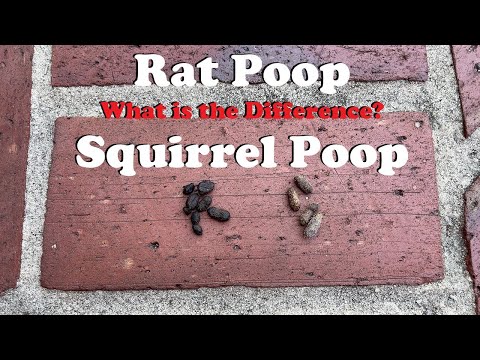
Let’s talk about how squirrel droppings stand out from other rodent poop. Plus, I’ll cover where to look, health risks, how to clean up, and what signs mean you might need repairs or removal.
Squirrel Poop vs Rat and Mouse Poop
Squirrel droppings are usually barrel-shaped with rounded ends. Each pellet measures about 1/4 to 1/2 inch long and feels a bit thicker than rat poop.
Rat poop comes out thinner, with more pointed ends, and sometimes looks tapered along a trail. Mouse droppings are tiny—think rice grains—and show up in small clusters.
Color and texture change as the poop ages. Fresh squirrel poop is dark brown to black and moist. Older pellets turn grayish and crumbly.
If you find larger, tubular droppings (over 1 inch) or messy piles, you’re probably looking at raccoon or opossum poop, not squirrel. So, use size, shape, and where you found them to figure out which animal left the mess.
Where to Find Squirrel Droppings
Start by checking your attic. Squirrels love attics, roof edges, and wall cavities for nesting and food storage.
Look along beams, on insulation, behind boxes, and under soffit vents. Outside, check under trees, along fences, and under eaves where they snack or stash nuts.
Droppings inside usually mean nesting or recent activity. In attics, you might also spot chewed insulation, acorns, or streaks near entry holes.
If you find droppings near wiring or vents, be extra careful—don’t touch any wires. Take photos and mark spots to see if droppings come back after cleaning.
Health Risks and Cleaning Precautions
Squirrel poop can carry bacteria and parasites that make you sick if you breathe in dust or touch contaminated surfaces. Skip sweeping or vacuuming dry droppings—that just stirs up trouble.
Wear disposable gloves and an N95 respirator for cleanup. Lightly mist the area with a 10:1 water-to-bleach mix, let it sit for 10 minutes, then pick up droppings with paper towels.
Toss waste, used towels, and gloves in sealed plastic bags before you throw them out. Disinfect your tools and wash your hands well after you finish.
If you start feeling sick after exposure, reach out to a healthcare provider and mention what happened.
Signs of Squirrel Infestation and Next Steps
You might spot fresh droppings over and over, or maybe you keep hearing scratching noises early in the morning or at dusk. If you also find chewed wires or random nuts stashed inside, chances are, squirrels have moved in.
New droppings, recent damage, and nests usually mean the squirrels haven’t left yet. If the problem seems new and not too big, you can block the obvious entry points once you’re sure the animals have gone.
Don’t seal anything up if you suspect there are babies still inside. When squirrels just won’t leave, it’s probably time to call a wildlife removal pro who knows how to handle the situation safely.
After you’ve dealt with the squirrels, remember to clean up droppings carefully and fix up any insulation, vents, or wiring they’ve messed with. That way, you can keep them from coming back.
If you’re unsure about what you’re seeing, compare the droppings with the photos on this page about how to identify squirrel poop.


