
If you’ve watched Alfred Hitchcock’s classic horror film The Birds, you’ve probably puzzled over its mysterious ending. What really happened after those relentless bird attacks? Originally, Hitchcock planned for the main characters to drive through a devastated town, showing destruction everywhere and many dead people. The story nearly ended with a huge, dramatic finale—definitely not the ambiguous finish we got.

Hitchcock, who loved building suspense with simple but powerful tricks, switched things up during filming. Instead of a big, explosive disaster scene, he had the family quietly slip away from the house, leaving us with that cold, unresolved sense of danger. It fits his style—subtle horror that creeps under your skin.
Honestly, the original plan feels almost like a different movie, right? If you’re curious about what got left out and why, there’s a lot to dig into about how Hitchcock shaped horror with The Birds and its haunting ending. You can find more about the original ending over at this page about Alfred Hitchcock’s The Birds.
The Original Ending Planned for The Birds

The original ending for The Birds showed a much wider disaster than what we see in the final film. Hitchcock wanted to reveal the full scale of the bird attacks across Bodega Bay.
But as filming went on, he changed it to a more mysterious and open-ended finish. You’re still left wondering what happens next.
Scripted Escape Through Devastated Bodega Bay
In the first script, the Brenner family’s escape wasn’t just a slow walk down the driveway with birds watching. They were supposed to drive through a town that looked totally wrecked by birds.
Imagine this: overturned school buses, broken windows everywhere, police cars burning, and dead birds scattered across the roads.
You’d really see the chaos—the birds weren’t just after one family, they’d gone after the whole town. The last part had their car speeding along the road while birds swooped down from above.
That car chase would’ve been way more dramatic, showing the bird threat as something huge, not just personal.
Studio Changes and Hitchcock’s Decision
The planned ending was expensive and tough to shoot. They needed tons of special effects, fake birds everywhere, and tricky helicopter shots.
The crew even tested things out by tossing dead chickens and fake blood around the set.
But Hitchcock changed his mind and picked a simpler ending, focusing on the house and the immediate threat.
He made the movie less about showing a giant disaster and more about building tension with what you can’t see. Hitchcock thought leaving things open would keep you on edge, haunted by what might come next.
Open-Ended Conclusion and Its Impact
In the last scene, you watch the family leave the house slowly, with birds sitting everywhere on the ground and power lines.
You never see the whole town destroyed or find out what happens after they leave. That open ending just hangs there, making the movie even creepier.
By not explaining why the birds attack or what’s going on beyond Bodega Bay, Hitchcock left you with this unsettling feeling that nature’s power is totally out of our hands.
That choice turned The Birds into a thriller that sticks in your head long after it’s over.
You can find more details on the changes and original concept in this explanation of the ending.
Key Differences, Themes, and Symbolism
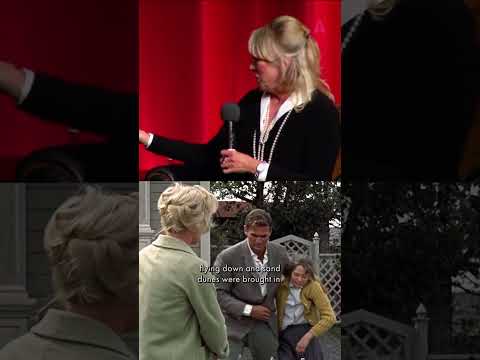
The original ending of The Birds is actually pretty different from the version most people know. Those changes shape how you see the bird attacks, the characters, and the movie’s message about nature and society.
Comparing the Original Script to the Final Cut
The first script gave a more obvious reason for the attacks. It blamed things like environmental harm or toxic algae for making the birds aggressive.
But in the finished movie, there’s just no explanation. The birds turn violent out of nowhere, and you’re left with this weird, uneasy feeling.
The original ending also gave more closure to Melanie Daniels and the Brenner family. The final scene with thousands of silent birds wasn’t in the script at first—they added it later to keep things open.
That change definitely cranks up the fear and uncertainty.
Significance of Bird Attacks and Avian Behavior
In the film, bird attacks seem like nature fighting back against humans. The way the birds behave reflects how people have messed up the environment.
You see all kinds of birds, from sweet little lovebirds to nasty seagulls and crows. It’s a wild contrast—innocence right next to danger.
Cathy holds the lovebirds, and they kind of stand for hope and love in a world gone nuts.
The silence at the end really gets to you. It pushes you to think about how unpredictable nature can be, and how little control we actually have.
That quiet threat lingers, making the movie even more haunting.
Character Perspectives: Melanie Daniels and Mitch Brenner
Melanie Daniels, played by Tippi Hedren, starts out as a confident socialite. By the end of the film, though, she’s clearly shaken and vulnerable.
Her journey really shows how outside chaos can rattle even the strongest people. It’s actually kind of surprising to watch her confidence unravel.
Mitch Brenner steps in as the practical, protective type. He often tries to balance out Melanie’s impulsiveness.
His rocky relationship with his mother Lydia brings an extra layer of tension. You can feel that emotional strain bubbling under the surface, even when birds aren’t attacking.
When you put Melanie and Mitch together, you get this interesting clash between control and chaos. Their interactions during the attacks reveal a lot about their personal struggles.
All of this sits against the backdrop of a much bigger threat from nature. It’s hard not to think about what the film’s saying about how fragile—and maybe resilient—people really are.


