
Catching a squirrel can feel sudden and even a bit stressful, right? Still, you can handle it calmly and safely if you know what to do next.
Cover the trap, keep your distance, and reach out to local wildlife or animal control if you’re unsure how to proceed. These steps help protect both you and the squirrel while you figure out what comes next.

You’ll find quick actions for right after a capture, ways to move or release a squirrel safely (if relocation’s even allowed), and simple fixes to keep them from coming back.
Stick to humane steps so everyone stays safe and you don’t have to deal with this again anytime soon.
Immediate Steps After Catching a Squirrel
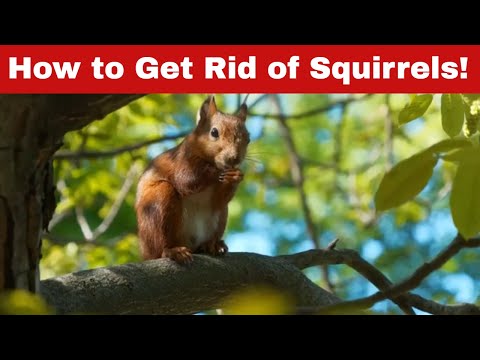
Act fast, but don’t panic. Focus on safety, keep stress low for the squirrel, and plan your next move based on the trap and your local laws.
Ensure Your Safety and the Squirrel’s Well-being
Before you get close, put on thick gloves and long sleeves. You really don’t want to risk a bite or scratch.
Keep kids and pets away until you’ve secured the squirrel. If the animal acts aggressive or seems oddly tired, you should treat it as possibly sick or hurt and call animal control.
Peek at the squirrel through the mesh—don’t open the trap. Watch for injury, bleeding, or labored breathing.
If you spot any of that, contact a wildlife rehabilitator or animal control right away. Don’t try to handle an injured squirrel on your own.
If the squirrel looks healthy, toss a towel or blanket over the trap. That helps calm it down by blocking out the outside world.
Keep the trap level and steady while you move it. Skip food or water for now; trying to feed a trapped squirrel usually causes more harm than good.
Understanding Squirrel Species and Trap Types
Try to figure out if you caught a gray or red squirrel. Gray squirrels are bigger with bushier tails, and reds are smaller and a bit feistier.
Knowing the species matters for relocation rules and whether there might be babies nearby.
Check what kind of trap you used. A single-door live trap holds one squirrel, but a double-door version gives the animal a clearer escape route.
Make sure the trigger plate worked right. If it’s stuck or bent, it could hurt the animal or let it escape.
Always stick with humane live traps. Please, never use glue or lethal traps.
If you used a snare pole or something similar and the squirrel got hurt, stop and call a professional.
Local laws can be strict, so check them before you move a squirrel far away or let it go on public land.
Humane Handling and Relocating Procedures
Pick a release spot at least 5 miles away, somewhere wooded with water and natural food. Parks or big forested areas work best—don’t just drop the squirrel in someone else’s yard.
If you plan to use private land, get permission first.
Secure the covered trap in your car’s back seat or trunk so it won’t slide around. Turn off loud music and drive straight there—no detours.
Release the squirrel early in the morning or late in the afternoon. That way, it has daylight to find shelter.
At the site, put your gloves back on. Set the trap down on level ground near some trees, and open the door from behind a barrier if possible.
Step back and let the squirrel leave on its own. If you think you caught a mother, look for nests nearby.
If babies are involved, call a rehabilitator before relocating. Afterward, clean the trap with soap and water while wearing gloves.
How to Prevent Squirrels from Returning

Take steps to remove food, block access, and make your home less appealing to squirrels. It’s mostly about cutting off easy meals, sealing up holes, and using repellents or barriers where you need them.
Removing Attractants and Sealing Entry Points
Take down bird feeders or switch to squirrel-proof ones. Clean up spilled seed every day.
Store pet food, compost, and grill bags in metal bins with tight lids. Pick up any fallen fruit and use row covers in the garden if squirrels are after your veggies.
Walk around your roofline, soffits, vents, and foundation. If you spot holes bigger than half an inch, patch them with hardware cloth (quarter-inch mesh), 16-gauge steel, or sheet metal.
Don’t use plastic or flimsy mesh—squirrels chew right through that stuff. Replace any broken shingles and seal gaps around pipes, cables, and attic vents with metal flashing or cement.
Check attic and chimney entry points from both inside and out. If you find nests, put on gloves to remove them, then seal up the opening once you’re sure the animals are gone.
Use a one-way door only if your local laws allow relocation. If not, call in a wildlife pro.
Effective Squirrel Repellents and Deterrents
Try strong smells to keep squirrels away. Sprinkle cayenne pepper or red pepper flakes around gardens and feeder poles, but remember to reapply after rain.
Mix apple cider vinegar and water, add some garlic, and spray it around entry points. Be careful not to spray it directly on plants that could get burned.
Try commercial repellents made for squirrels on bulbs or low shrubs. Sticky deterrents, like petroleum jelly mixes, work on poles or ledges where squirrels like to jump.
Change up repellents every few weeks so squirrels don’t get used to them.
Install motion-activated lights or sprinklers near bird feeders and gardens. Sudden movement or water usually scares squirrels off.
Finally, remove any bait or loose food so your repellents actually have a fighting chance.
Installing Chimney Caps and Physical Barriers
Go ahead and install a steel chimney cap with a ½-inch mesh screen. That’ll keep squirrels, raccoons, and birds from sneaking in. Pick out stainless steel or galvanized caps, then use metal straps or masonry screws to anchor them down.
Every year, take a quick look at the cap. See if it’s rusty or if any fasteners came loose.
Add some metal flashing around roof valleys, and toss on soffit vent covers made from metal mesh. Gutter guards that resist gnawing are a smart move too. If you’ve got trees nearby, trim their branches so they stay at least 6–8 feet from your roof.
Wrap sheet metal collars around tree trunks or posts, about 18–24 inches high. That’ll stop critters from climbing up.
For garden beds, bury hardware cloth about 6–8 inches deep under the planting spots. That blocks animals from digging in. Around compost piles, use sturdy one-inch welded wire, and if you’re feeling careful, secure lids with a padlock.


