
If you’re wondering what’s living in your walls, just check out the droppings. Squirrel poop tends to be bigger, barrel-shaped, and shows up in clusters in attics or along rooflines. Mouse droppings, though, are tiny, shaped like grains of rice, and usually scattered near food or along baseboards. Spotting these differences lets you act quickly with the right cleanup and control plan.

Pay attention to the size, shape, and location of the droppings. These clues tell you which critter you’re dealing with and what kind of risk you might have on your hands.
Let’s break down how to tell the difference, what health problems they can cause, and what you can actually do about it.
Squirrel vs Mouse Poop: Key Differences
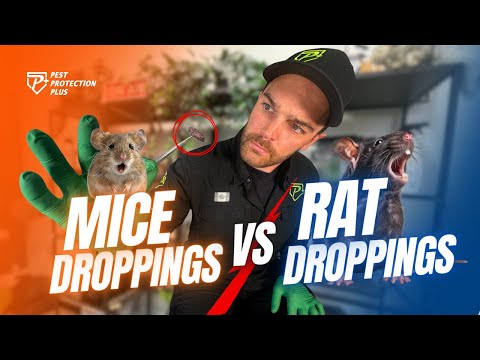
You can figure out which rodent you’ve got by checking the size, shape, and color of the droppings. Look at how many pellets there are and where you find them.
Notice if the ends are rounded or pointed, whether the droppings are in little piles or scattered, and if they’re up high in an attic or down near the kitchen.
Size and Shape Comparison
Squirrel droppings are bigger than mouse droppings. They’re about 3/8 inch long, kind of like a small bean, and shaped like a barrel or pellet with rounded ends.
That rounded end really stands out if you’re asking yourself, “what does squirrel poop look like?”
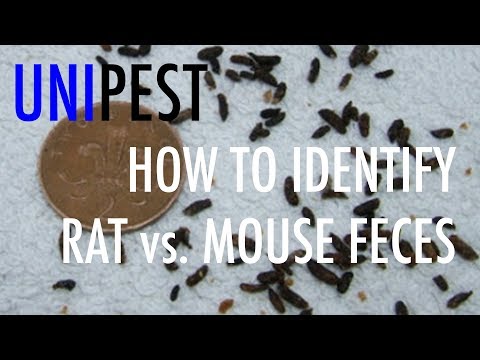
Mouse droppings look like tiny, dark grains of rice. They’re about 1/4 inch long and have pointed, tapered ends.
Rat droppings are usually longer and thicker than mouse pellets and look more oval than squirrel poop. Chipmunk droppings are small, rounded pellets—kind of in between mouse and squirrel size.
If you have a grain of rice handy, compare it to the poop. That can help you figure out if you’re seeing mouse, rat, or squirrel droppings.
Color and Texture Variations
Fresh rodent droppings look darker and shinier. Fresh mouse poop is shiny, almost black, and can smear if you crush it.
Fresh squirrel droppings are dark brown or reddish-brown and might look a bit glossy too.
As time goes on, both mouse and squirrel droppings dry out and get lighter. Squirrel droppings can show more color changes because squirrels eat nuts, fruits, and seeds. Sometimes you’ll see reddish or tan shades.
Mouse and rat droppings usually stay dark until they fade to a dull brown or gray. The texture goes from soft and moist at first to hard and crumbly as it ages.
Clustering and Quantity Patterns
Squirrels tend to leave their droppings in small piles or clusters. You might find 8–15 pellets grouped near nests, in attic corners, or along the roof. Squirrels like to pick the same bathroom spot over and over.
This clustering can tip you off if you’ve got tree squirrels or flying squirrels up high in your house.
Mice drop way more pellets and spread them everywhere. One mouse can leave dozens of pellets every day along its usual paths.
You’ll often spot mouse droppings along baseboards, inside cabinets, and near food. Roof rats leave fewer but bigger pellets, and sometimes you’ll notice them along rafters or up in wall voids.
Common Locations and Habits
Squirrel poop usually turns up in attics, eaves, on rafters, or even at the base of trees and near bird feeders. If you spot droppings up high or on the roof, squirrels or flying squirrels are likely the culprits.
They don’t often wander into kitchen cabinets or pantries unless they’ve really settled in.
Mouse droppings show up in kitchens, pantries, drawers, under sinks, and along the foundation. Mice drop pellets as they move, so you’ll see a trail along walls, behind appliances, or in boxes.
Roof rat droppings are usually higher up—think ceiling spaces or attics. Where you find the droppings can help you plan your clean-up and keep more rodents from coming in.
Risks and Control of Squirrel and Mouse Droppings
Rodent droppings can carry bacteria and viruses, contaminate food, and usually mean there’s an active infestation nearby. Treat any indoor droppings as a health risk, and get rid of them safely while blocking more rodents from getting in.
Health Concerns and Diseases
Droppings can spread hantavirus, leptospirosis, and salmonellosis. Hantavirus mainly comes from rodent urine and dried droppings that get stirred up and inhaled.
Leptospirosis can get in through cuts or your mouth, nose, or eyes if you touch contaminated urine. Salmonellosis spreads when you touch droppings and then handle food.
If you find droppings near food, in cabinets, or anywhere people sleep, assume something’s been there recently. Kids, pregnant folks, and anyone with a weak immune system are at higher risk.
Even outdoor piles near bird feeders or trees can bring germs inside if rodents start coming indoors.
Safe Cleanup and Removal Practices
Don’t sweep or vacuum dry droppings. Instead, put on gloves and an N95 mask or something similar.
Spray the area with disinfectant or a bleach solution (1 part bleach to 10 parts water). Let it soak for at least 5–10 minutes so everything gets wet and the germs are neutralized.
Pick up the droppings with paper towels and seal them in a plastic bag. Go over the area again with disinfectant, then wash your hands and any tools you used.
If you see a lot of droppings, find a squirrel nest in your attic, or just feel overwhelmed, call a pest control pro. They know how to handle it safely and dispose of everything the right way.
Prevention, Wildlife, and Pest Management
Seal any gaps or holes bigger than 1/4 inch for mice or 1.5 inches for squirrels, since that’s how they sneak inside. I always recommend using steel wool, copper mesh, or metal flashing around the pipes and vents—plastic just doesn’t cut it.
Trim back tree branches that actually touch your roof. Install a chimney cap if you haven’t already; it’s surprising how much that helps keep squirrels out and stops them from nesting in the attic.
Set snap traps for mice right along the walls, where they tend to run. For squirrels, live cage traps or exclusion methods work best, but remember to check your local wildlife rules first.
If you’d rather not tackle it yourself, hire a licensed pest control service. Look for companies that follow the National Pest Management Association guidelines—they’re usually more humane and actually get results.
Stick to regular inspections and keep things tidy. Store your food in sealed containers, and get rid of clutter whenever you can. That way, you’re not rolling out the welcome mat for rodents.


