
Ever feel tempted to toss a few grapes to the squirrels darting around your yard? They sure seem to love a sweet treat, but honestly, not every snack keeps them healthy. Squirrels can eat grapes safely in small amounts, but you should only offer them now and then because grapes pack a lot of sugar.

Let’s talk about why moderation matters here. If you do share fruit, you’ll want to know what to watch for.
I’ll also point you toward better snack choices, and some easy ways to help squirrels stay healthy while you still enjoy those close-up wildlife moments.
Should Squirrels Eat Grapes?
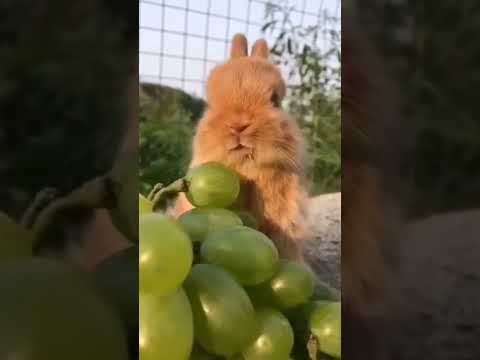
Grapes give squirrels a quick energy boost and a few vitamins. But there are risks if you hand out too many.
You’ll want to think about sugar content, portion size, and what else the squirrel usually eats before giving them grapes.
Can Squirrels Eat Grapes Safely?
Yes, squirrels can eat grapes, but it really depends on the amount and how you prepare them. Only offer grapes as a treat, not a main food.
Keep it to one or two small grapes for an adult squirrel at a time. Too many can upset their digestion and add extra calories they don’t need.
Always wash grapes first to remove pesticides. Cut them into small pieces so there’s no choking risk.
Take out any seeds or stems. Watch how the squirrel reacts the first few times—if you notice diarrhea, tiredness, or odd behavior, stop feeding grapes.
Nutritional Value of Grapes for Squirrels
Grapes give water, quick carbs, and a bit of vitamin C and K. They’re handy for a jolt of energy or some hydration on a hot day.
You’ll also find antioxidants in grapes. Sure, they help human cells, and there’s a small benefit for squirrels, too.
But grapes don’t have the fats and proteins squirrels need from nuts and seeds. It’s best to use grapes as a supplement, not a replacement.
For a healthier fruit option, try berries or apple slices (just skip the seeds) for more fiber and nutrients.
Health Risks of Feeding Grapes to Squirrels
Sugar is the main problem here. If you feed grapes often, squirrels can gain weight, develop dental issues, or get stomach troubles.
Their small bodies just can’t handle too much sugar. Even moderate amounts can cause problems over time.
Some folks worry about grape toxicity in other animals. There’s not much proof for squirrels, but it’s smart to avoid large amounts or dried grapes like raisins.
Whole grapes can also be a choking hazard, especially for young or small squirrels.
How to Feed Grapes to Squirrels Properly
Wash grapes well and cut each one into quarters. Take out seeds and stems before offering them.
Only give grapes once or twice a week, and keep servings to 1–3 small pieces per visit.
Set the grapes on a flat dish or scatter them near natural food sources. This way, squirrels stay wild foragers.
If a squirrel gets too bold, don’t hand-feed—give them space so they stay wild. Notice any digestive issues? Stop and let the squirrel return to its usual diet.
Curious about how grapes affect your local wildlife or vineyards? Check out this info on grapes and wildlife.
Best Diet and Alternatives for Squirrels

Pick foods that give squirrels fats, protein, fiber, and some vitamins. Whole nuts, seeds, and the occasional fruit are best.
Skip sugary or salty human snacks.
Essential Foods in a Squirrel Diet
Nuts should make up the core of a squirrel’s diet. Hazelnuts, pecans, hickory nuts, chestnuts, and acorns give them healthy fats and plenty of calories for energy and winter storage.
Offer whole, unsalted nuts with shells if you can. Chewing on shells helps keep their teeth healthy.
Seeds add variety and fiber. Sunflower seeds and pumpkin seeds offer protein and minerals.
Scatter seeds in small piles or use a platform feeder so birds and squirrels can share the space.
High‑quality commercial squirrel food blends can help fill any gaps. Pick mixes without added sugar, salt, or fake flavors.
Always put out fresh water near feeding spots to help with digestion.
Healthier Treat Alternatives to Grapes
Swap grapes for fruits and veggies with less sugar. Try small apple slices (with seeds removed), pear chunks, or carrot sticks.
These give vitamins without the sugar overload. Offer just a piece or two per squirrel each day.
Nuts make the best treat, honestly. A single hazelnut or half a pecan is a satisfying, nutrient‑rich snack.
Roasted (unsalted) sunflower or pumpkin seeds work well as a crunchy treat in small amounts.
Skip bread, chips, candy, and processed foods. They cause weight gain and leave squirrels lacking nutrients.
If you do use grapes, cut them in half and keep them as a rare treat. Watch for any tummy troubles.
Portion Control and Frequency for Squirrel Treats
Keep treats small, and don’t offer them too often. Treats should make up less than 10% of a squirrel’s daily food. For most backyard squirrels, you’re probably looking at 2–4 small nut halves or maybe just a few teaspoons of seeds each visit.
Try to feed them on a regular schedule so they don’t start relying on handouts. Give treats once a day, or just a few times a week—definitely not all day. That way, they’ll still forage for themselves and you won’t end up with a crowd of demanding squirrels.
Switch up what you give them to keep their diet balanced. Maybe one day toss out some acorns and sunflower seeds, and on another, offer a chestnut or a slice of pear. Don’t forget to pick up any uneaten perishable food after a few hours. Otherwise, you might attract pests or end up with moldy leftovers.


