
Ever wondered if a quick, nosy squirrel could actually hurt a slow-moving tortoise? Squirrels almost never attack tortoises, but they might stress them out, swipe their food, or even mess with their enclosures—so you’ll want to keep an eye on your tortoise and its space.

Let’s talk about how squirrels and tortoises interact, what you should watch for, and some no-nonsense ways to keep your tortoise safe without going overboard.
You’ll get a handful of practical steps for preventing issues and spotting trouble before it gets serious.
When you understand how tortoises live and what other animals might do, you can make better choices about outdoor time, feeding, and fencing.
Stick around for some tips that’ll help both animals stay safe and calm.
Squirrel and Tortoise Interactions

Squirrels sometimes cause stress, steal food, or dig into enclosures.
You’ll need to keep an eye on where your tortoise eats, sleeps, and hides to dodge problems.
Potential Dangers to Tortoises from Squirrels
Adult tortoises don’t have much to fear from squirrels, but hatchlings and small juveniles do.
Ground squirrels and fox squirrels might grab tiny tortoises or nip at exposed legs.
If your tortoise is under about 3–4 inches across, you should supervise it when it’s outside.
Squirrels also dig and chew things up.
They can dig under enclosure walls, making escape routes or holes that could trap a tortoise’s leg.
Chewing on wooden hides or low fences weakens shelters and can let other predators in.
Diseases and parasites are another headache.
Squirrel droppings near food or water might carry bacteria or worms.
Keep feeding areas clean and check your tortoise for weight loss, tiredness, or weird droppings if squirrels have been around.
Dietary Overlap and Food Competition
Squirrels and tortoises both like a lot of the same plant foods.
You’ll see both eating leafy greens, fruits, and seeds that fall to the ground.
If you feed your tortoise outdoors, squirrels will probably find and eat that food too.
This competition can leave your tortoise underfed.
A pushy squirrel might snatch up lettuce, dandelions, or fruit, leaving your tortoise without enough to eat.
Try measuring your tortoise’s food and feeding inside a secure spot when you can.
Set up separate feeding stations.
Put your tortoise’s food in a low, sheltered dish inside its enclosure.
You could offer a squirrel feeder away from the tortoise area to tempt squirrels elsewhere.
Remove any uneaten food after 15–30 minutes so you don’t attract more wildlife.
Squirrel Behavior Around Tortoises
Squirrels act curious and sometimes defensive.
You might spot them foot-stomping, flicking their tails, or inspecting your tortoise up close.
This can look aggressive, but usually it’s just them being territorial, not trying to eat your tortoise.
Squirrels use burrows, trees, and fence tops to scout things out.
Sometimes, they even shelter in big tortoise burrows, so you’ll want to keep an eye on shared spaces.
If a squirrel keeps coming back, it’s probably after food, shelter, or it’s guarding babies.
To discourage close encounters, set up hiding spots for your tortoise that squirrels can’t get into.
Solid hides, low-entrance shelters, and fencing buried at the edges help a lot.
If a squirrel won’t leave your tortoise alone, try humane deterrents like motion-activated sprinklers or putting squirrel feeders far away.
Understanding Tortoises and Related Species
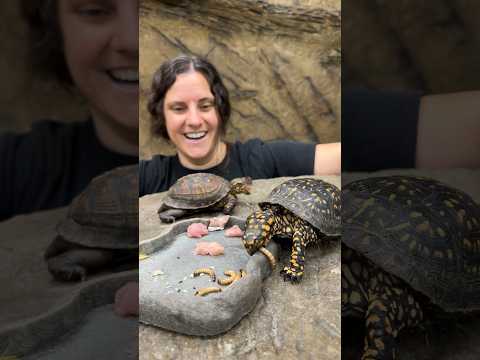
Tortoises live on land, have domed shells, and mostly eat plants.
Some of their relatives spend most of their lives in water, with flatter shells and webbed feet.
Tortoises vs Turtles: Key Differences
You can spot the difference between tortoises and turtles by where they live and how they look.
Tortoises (family Testudinidae) stay on land.
They have high, domed shells and thick, column-like legs made for walking and digging.
Most tortoises eat plants and live in hot, dry places—think deserts and islands with giant tortoises like the Aldabra.
Turtles are a broader group.
Freshwater turtles, sea turtles, and terrapins usually swim or hang out in water.
Sea turtles, like the leatherback, have flippers and smooth shells for the ocean.
Box turtles live on land but aren’t true tortoises; they’re closer to pond turtles and can close up their shells tight.
Physical Features: Shell, Carapace, and Scutes
Let’s break down the shell.
You’ve got the carapace (top), plastron (bottom), and scutes (the plates on the outside).
The shape of the carapace tells you a lot: domed for land tortoises, flat and smooth for swimming turtles.
Box turtles have a hinged plastron so they can seal up tight.
Scutes are keratin plates covering the shell.
You can sometimes guess age by looking at growth rings on the scutes, but it’s not exact.
Shell color and texture change by species: desert tortoises have rough, brown shells, while green sea turtles have smooth, olive-green ones.
Shell health matters a ton—cracks, soft spots, or pyramiding usually mean something’s off with diet or care.
Common Species: Pet Tortoises, Box Turtles, and Red-Eared Sliders
If you keep reptiles, you’ll probably meet a few regulars.
Pet tortoises like Russian tortoises and sulcata tortoises need dry, secure homes and a specific diet.
Box turtles live on land and in damp woods.
They’re Terrapene species and can look like tortoises because of their domed shells and land habits.
Red-eared sliders are freshwater turtles, often sold as pets.
They need a tank with deep water, a basking spot, and good filtration.
Unlike tortoises, sliders are strong swimmers with webbed feet.
Don’t release pet sliders into the wild—they quickly become invasive and harm native turtles.
Land and Aquatic Adaptations
Check out their limbs and how they move—that’s where adaptations really show up. Land tortoises use their thick, stumpy legs to walk around and dig burrows.
They just can’t swim well at all. If you put a tortoise in deep water, it might actually drown, so that’s a big no.
Freshwater turtles, on the other hand, have webbed feet or long claws. These features help them push through the water and climb up onto logs.
Sea turtles take it even further. Their flippers let them travel long distances, and their streamlined shells make swimming easier.
Some turtles, like wood turtles, split their time between land and water. They’ve got sturdier legs than pond turtles, but they’re more mobile than tortoises.
When you notice these adaptations, you can better understand what each animal needs—whether you’re watching them in the wild or taking care of one at home.


