
So, your cat got sprayed by a skunk. Yikes. You’ll want to move fast to help them feel better and, honestly, to save your nose. The best thing you can do is gently wash your cat with a homemade solution—hydrogen peroxide, baking soda, and soap. This stuff really breaks down those stubborn skunk oils and helps stop the smell from hanging around in their fur.

Besides the stink, keep an eye on your cat for any irritation—red eyes, drooling, sneezing. Sometimes the spray gets into their eyes or mouth, and that’s when a vet might need to step in.
Try to stay calm. If you know what to do, the whole thing feels a lot less overwhelming for both you and your cat.
Immediate Actions for a Skunked Cat
Act quickly to keep your cat calm and stop the skunk smell from spreading. Check your cat for any injuries or irritation—focus on the eyes, nose, or mouth.
You might need to give some first aid before you even think about cleaning or heading to the vet.
Keeping Your Cat Calm and Contained
Right after the spray, do your best to keep your cat calm and still. Skunk spray is super strong and can really bother their eyes and skin.
Try to stop your cat from rubbing or scratching. Use a carrier or just a small room to keep them contained.
If your cat runs wild, the skunk smell will go everywhere—your house, your couch, even you. Don’t touch their fur before cleaning if you can help it.
Put on gloves before you handle your cat, and maybe close off the area to keep the smell from spreading into your living space.
Assessing for Injuries and Irritation
Check your cat’s eyes, nose, and mouth closely. Skunk spray contains chemicals that can really irritate mucous membranes.
If you spot redness, swelling, or your cat keeps squinting, you’re probably seeing eye irritation. Watch for sneezing, drooling, vomiting, or coughing—these may mean the spray got into their nose or mouth.
These symptoms can get worse, and in rare cases, skunk spray can cause anemia or other serious problems. If you notice these signs, call your vet right away.
Look out for changes in behavior, like lethargy or trouble breathing. Those need fast attention.
First Aid for Eyes, Nose, and Mouth
If your cat’s eyes seem irritated, gently flush them with a sterile eye wash made for pets. Don’t use anything harsh or that might sting.
Never use hydrogen peroxide or strong solutions near the eyes. For the nose or mouth, rinse with clean, cool water if you can.
If your cat is drooling or vomiting, it’s time for the vet. These could be signs of a bigger reaction to the skunk spray.
Keep your cat indoors and comfortable while you get ready to clean them or head to the vet. Make sure your cat’s vaccinations are current, just in case the skunk also scratched or bit.
You can find more details on what to do if your cat is sprayed by a skunk at The Spruce Pets.
Effective Skunk Odor Removal Methods

Getting rid of skunk spray fast and safely is the trick to losing that smell. You’ll need a mix of cleaning power, gentle care, and the right tools.
Here’s how you can tackle the skunk odor and keep your cat as comfy as possible.
Homemade Solutions: Baking Soda and Hydrogen Peroxide
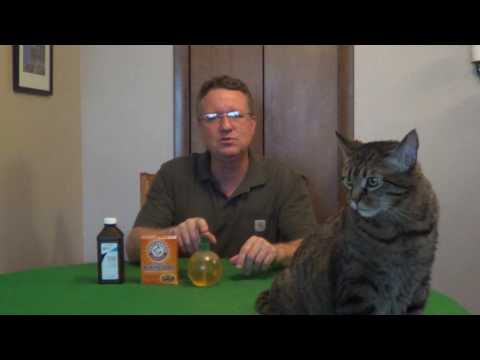
One of the best tricks out there is a mix of baking soda, hydrogen peroxide, and Dawn dish soap. This combo really breaks down the skunk oils.
Grab these:
- 1 quart hydrogen peroxide
- ¼ cup baking soda
- 1 teaspoon Dawn dish soap (seriously, Dawn works best)
Mix it up right before you use it. Carefully work it into your cat’s fur, but avoid the eyes and mouth.
Let it sit for about 15 minutes, then rinse really well. Heads up—hydrogen peroxide might lighten your cat’s fur, so only use this if you really need to.
Choosing Safe Commercial Skunk Odor Removers
If your cat hates baths (and let’s be honest, most do), or if you just want something easier, try a commercial skunk odor remover. A lot of sprays use natural ingredients and skip the harsh stuff.
Hyponic De-Skunk Pet Mist spray doesn’t need rinsing, which is a lifesaver for cats that hate water. Some powders work too—just rub them in and brush them out.
Always double-check the product is safe for cats and follows vet advice. You want your cat smelling better and staying healthy, not dealing with new problems.
Tips for Bathing and Drying Your Cat
Bath time can get pretty stressful, right? So, before you start, grab everything you’ll need—old towels, gloves, and definitely some treats. Stick with warm water to keep your cat as comfy as possible, and wash gently.
Start by rinsing your cat with just water. After that, try Dawn dish soap to break down the oils. You can follow up with a baking soda and hydrogen peroxide mix, or a pet-safe shampoo that fights skunk odor. Make sure you rinse everything off really well so your cat’s skin doesn’t get irritated.
Dry your cat off with towels, or use a hair dryer on low heat if they don’t mind the noise. Toss them a treat and talk to them softly. A little encouragement goes a long way, and honestly, anything that makes this easier is worth it for both of you.
For more details, visit How to Get Skunk Smell Off Your Cat.


