
If a skunk bites you, things can get serious fast. Their bites might expose you to rabies, which is a deadly virus.
You should clean the wound right away and get medical help to check for rabies or other infections. Even if the bite looks tiny, don’t brush it off. It’s not something you want to ignore.

Skunks don’t usually bite, but they might if they feel threatened or can’t use their spray. Their bites can also lead to bacterial infections that need treatment.
If you know what to do right away, you’ll protect yourself and avoid bigger health problems later.
Immediate Dangers and Medical Response
A skunk bite brings some real health risks. You have to act fast to lower your chances of getting an infection or something worse.
It’s important to know what symptoms to watch for and how to treat the wound properly.
Rabies and Its Threat to Humans
Rabies is the biggest risk from a skunk bite. Skunks in North America can carry rabies, and they spread it through their saliva.
If a rabid skunk bites you, the virus enters your body through the wound. At first, symptoms might be mild—fever, headache, maybe some discomfort near the bite.
If you don’t get treated, rabies can cause confusion, trouble swallowing, and even paralysis. Once symptoms show up, rabies is almost always fatal.
That’s why you need emergency medical care right away. Doctors can give you post-exposure prophylaxis (PEP), which is a rabies vaccine and sometimes immunoglobulin.
This treatment can stop the virus before it makes you sick.
Other Infections from Skunk Bites
Skunk bites can also bring bacteria into your body. You might develop cellulitis, which causes redness, swelling, and pain at the bite.
Tetanus is another risk. It’s a nerve disease that leads to muscle stiffness and spasms. Doctors always check your tetanus shot status after any animal bite.
Other infections, like bacterial or fungal ones, aren’t as common but still possible. Watch the bite for more redness, warmth, pus, or a fever.
If you notice any of those, see a doctor as soon as you can.
First Aid and When to Seek Medical Help
Right after you get bitten, wash the area with soap and water for 10 to 15 minutes. That helps get rid of saliva and lowers the risk of infection.
If you have antiseptic, put some on the wound. If it’s bleeding, use a clean cloth to press and stop the blood.
No matter how small the bite looks, go see a doctor immediately. They’ll check your risk for rabies and other infections.
Your doctor might start PEP or give antibiotics or a tetanus booster.
Report the bite to local health authorities. This helps track rabies cases and keeps your community safer.
Skunk Bite Circumstances, Prevention, and Skunk Spray
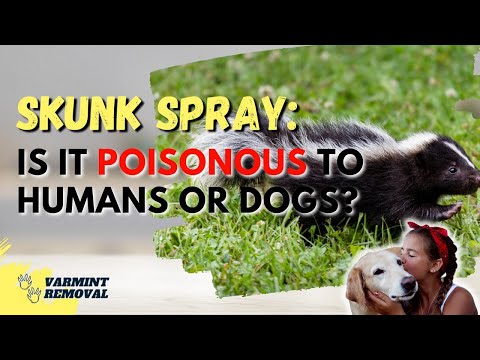
Skunks bite mostly when they feel threatened. If you understand why skunks bite, how to avoid them, and how their spray is different from a bite, you’re less likely to get hurt.
These details can help keep you and your pets out of trouble.
Why and When Skunks Bite
Skunks usually bite if they feel cornered or scared. They’d rather spray, but if they can’t, biting is their last resort.
People sometimes get bitten when trying to feed or touch a skunk, or by getting too close to its den. Skunks can carry rabies and other infections, so any bite is risky.
You or your pet might get bitten while handling or trapping a skunk. Watch for signs like growling, hissing, or unprovoked attacks—these can mean a skunk is rabid and more likely to bite.
Preventing Skunk Encounters and Bites
If you want to prevent skunk bites, don’t approach or feed skunks. Never try to pick one up or corner it.
Keep your trash sealed up tight—skunks love food scraps. Bring in birdseed or pet food at night so you don’t attract them.
Seal up any holes or gaps around your home where skunks could make a den. Keep your pets inside at night or watch them closely if they’re out.
Make sure your pets are vaccinated against rabies. If a skunk bites anyone, report it to local animal control to help track disease risks.
Skunk Spray vs. Skunk Bite: Key Differences
Skunks spray a smelly, oily liquid to scare off anything they see as a threat. This stuff stings your eyes and leaves you with a terrible odor, but hey, at least it doesn’t bring rabies along for the ride.
A skunk bite, though? That’s a whole different problem. The bite breaks your skin and can let in saliva packed with dangerous germs, including rabies.
If a skunk bites you, wash out the wound as best you can and get to a doctor right away. Skunk spray is gross, but you really only need medical help for a bite.
Want to dig deeper into skunk bites and what they can mean for you? Check out What Happens If a Skunk Bites You?


