
So, what scent really pulls bees in? Honestly, it’s pretty straightforward—bees love sweet, floral, and fruity smells, especially from flowers like lavender, rose, and passionfruit.
These scents guide bees to flowers packed with nectar and pollen, which they rely on to survive.
If you can figure out which smells bees like, you can either invite them into your garden or keep them away, depending on what you want.

You might spot bees buzzing around colorful blooms, but it’s their sharp sense of smell that really does the trick.
When you plant flowers with the right fragrance, your yard basically becomes a bee hotspot.
Knowing what draws bees can make a big difference if you want to help them out—or if you’d rather they leave you alone during your afternoon in the garden.
Bees don’t just go for flowers. Sometimes they’re after fruity scents or even natural oils that smell like their queen.
If you figure out which scents they’re after, you can nudge bees where you want them—whether you care for hives or you’re just curious about these hard-working little creatures.
Want to dive deeper? What scent are bees attracted to has more helpful info.
Key Scents That Attract Bees

Bees sniff out food and good spots to gather nectar and pollen by using their sense of smell.
They really go for certain plant, fruit, and herb scents that tell them where to land.
These smells come from natural chemicals in flowers and oils, so you can use them to bring bees to your garden or hive.
Sweet Floral Fragrances and Nectar Aromas
Bees seem obsessed with sweet floral scents from blooming flowers.
Plants like lavender, rose, coneflower, sunflower, echinacea, and zinnias do a great job attracting them.
These flowers give off nectar aromas that let bees know there’s food waiting.
Bees pick up on these signals and head straight for the best nectar and pollen spots.
Perennial and annual flowers with strong floral smells work especially well if you’re trying to keep bees around.
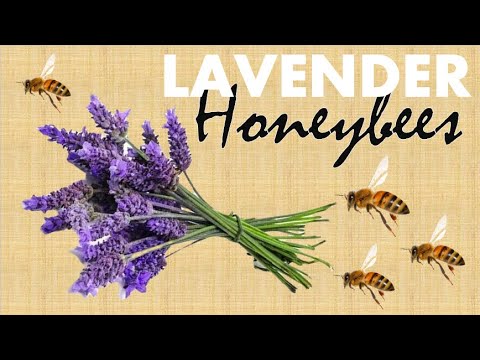
People often use lavender oil to lure bees because of its clean, sweet scent.
Citrus and Fruity Scents
Bees also notice citrus and fruity smells—think lemon, orange, grapefruit, and lemongrass.
These fresh, tangy scents remind them of nectar-rich flowers and help guide them in.
Go easy with lemony scents, though—they attract bees, but too much can actually annoy them.
Try planting herbs like lemon balm or using citrus oils if you want your garden to smell inviting to bees.
These scents pop against all the green and help bees find nectar faster.
Herbal and Woody Aromatics
Some herbs and woody plants just seem irresistible to bees.
Mint, sage, thyme, rosemary, and salvia all give off strong, pleasant aromas.
These plants release scents that travel well in the breeze, helping bees find food or shelter.
Herbs like rosemary and thyme even offer nectar, so they do double duty.
Add these herbs to your garden for a mix of smells that different bee species will love.
Role of Volatile Compounds and Essential Oils
Bees pick up on volatile compounds—tiny molecules that plants release into the air.
These compounds create the scents you smell in flowers, fruits, and herbs.
Essential oils, like lavender oil, are packed with these volatile chemicals.
They’re concentrated, which makes them super effective for attracting bees.
The mix of volatile compounds in your plants changes how strong and appealing their scent is.
Choosing flowers and herbs rich in these compounds lets you shape a bee-friendly space using nothing but natural plant scents.
Need more tips? Check out this guide on scents that bees are attracted to.
Bee Scent Preferences, Repellents, and Communication
Bees use scents for all sorts of things—from finding food to talking with each other.
Some smells pull them in, while others push them away.
If you know which is which, you can manage your garden or outdoor space a lot better.
Natural and Synthetic Bee Repellents
You can keep bees away with certain natural scents like citronella, eucalyptus, peppermint, spearmint, garlic, and cinnamon.
These strong smells mess with bees’ senses or just plain irritate them, so they steer clear of your yard or picnic.
Synthetic repellents copy these natural scents or use other chemicals to keep bees at bay.
Try planting peppermint or sprinkling cinnamon near spots where you don’t want bees—these gentle, natural tricks usually work and won’t hurt the environment.
Skip harsh chemical sprays that can harm pollinators like butterflies and bees.
Stick with natural scents to protect your plants and still keep bees at a safe distance.
Chemical Signals and Pheromones in Bee Communication
Bees rely a lot on chemical signals called pheromones to talk to each other.
They use these scents to share news about food or send out warnings in the hive.
When a bee finds a good flower, it brings the floral scent back to the colony.
That smell helps other bees find the same spot, making pollination more efficient.
Pheromones also help bees work together inside the hive—like keeping things organized and defending their home.
If you understand how bee pheromones work, you can attract pollinators or avoid bothering them while they’re busy.
Influence of Scented Plants and Garden Choices
If you grow plants with woody, resinous, or floral scents, you’ll probably notice more bees buzzing around your garden. Herbs like rosemary, sage, and mint? Bees can’t seem to resist them, and their natural scents make your garden feel alive.
When you pick flowers and herbs with sweet, strong fragrances, you’re not just making your garden smell amazing—you’re also helping pollinators do their thing. On the flip side, if you plant strong citrus or eucalyptus near spots where you don’t want bees, you’ll likely keep them away, since those scents tend to repel them.
A mix of scented plants lets you shape where bees hang out and keeps your outdoor space balanced. You get to enjoy your garden, and the pollinators get what they need too.
Curious about which scents bees actually prefer? Check out friendly gardening sites like What Scent Are Bees Attracted To? for more info.


