
Seeing a bee can be a little nerve-wracking, right? But figuring out what not to do is honestly the best way to avoid trouble.
Don’t swat at a bee or start making quick, jerky movements. That kind of frantic motion just makes the bee feel threatened, and then—yeah, you guessed it—stings happen.
If you just stay still and calm, you’re helping yourself and the bee.

Try not to mess with a bee’s hive or a swarm if you stumble across one. Bees aren’t usually aggressive unless they think you’re after their home.
So, skip the loud noises and heavy stomping near them. You’ll lower the odds of any drama.
Spot a bee on the ground? Don’t squish it. Just grab a leaf or a twig and nudge it gently—it’ll probably fly off.
Little things like this help you avoid stings and actually protect these pollinators. If you want more tips, check out this guide on what to avoid when you see a bee.
Common Mistakes to Avoid When You See a Bee
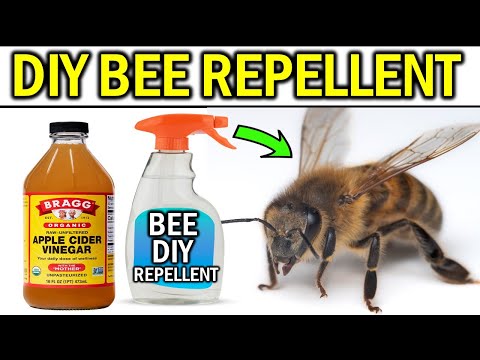
If you notice a bee hanging around, what you do next really matters. Staying calm and steady can save you from a sting and keep the bee safe too.
Sometimes people react in ways that just make bees nervous.
Do Not Swat or Try to Kill the Bee
Swatting at a bee? That’s probably the worst move. If you try to hit it, the bee thinks it’s under attack.
It’ll sting to defend itself, and bee venom isn’t exactly pleasant—plus, allergic reactions are a thing.
Just stay still or back away slowly. Swatting can even rile up other honey bees nearby, especially if they’re protecting their hive.
Bees usually sting only if they have to.
Avoid Sudden Movements and Flailing
Flailing your arms or jumping around just freaks the bee out. Bees see quick, wild moves as a threat.
When you do that, you’re way more likely to get stung.
Keep your hands down and your movements chill. If a bee lands on you, you can either wait it out or gently brush it off.
Moving slowly tells the bee you’re not a problem.
Refrain from Screaming or Running Away Quickly
Screaming or bolting? Honestly, it feels natural, but it just ramps up the tension. Loud noises and fast running make bees defensive.
If bees start buzzing around you, don’t freak out. Walk away calmly, straight ahead—don’t zigzag or wave your arms.
Find shelter in a car or building if you can. Screaming and panicking just make things worse.
Want to read more? Here’s a handy link: What Not To Do When You See A Bee.
Safe Practices and When to Seek Professional Help

Knowing how to handle bees keeps you safe—and helps the bees too. Sometimes you can deal with things on your own, but other times, it’s smarter to call in the pros.
Remain Calm and Move Away Slowly
See a bee nearby? Stay calm and don’t make any sudden moves. Bees usually sting only when they feel threatened.
If you start swatting or running, you just make them more aggressive.
Move away from the bee slowly and steadily. Don’t turn your back or start waving your arms.
This way, the bee usually loses interest and leaves you alone.
If a bee lands on you, try not to panic. Just wait for it to fly off, instead of brushing it away roughly.
Staying calm helps both you and the bee.
Handling Bee Encounters Indoors or With Swarms
If a bee gets inside your house, don’t try to catch or squish it. Open a window or door and let the bee find its way out.
Skip the sprays and chemicals—they’re bad for bees and just make things worse.
Spot a swarm—like a big group of bees moving together? Keep your distance.
Swarming is actually pretty normal; it means the bees are looking for a new home.
Don’t mess with a swarm. Don’t spray or hit it.
Call a professional beekeeper or pest control so they can move the bees safely.
Knowing When to Contact Pest Control
When you spot a beehive close to your home or somewhere that just feels unsafe, it’s usually a good idea to call in the pros. Pest control experts know how to remove or relocate hives without making things worse.
If anyone nearby has a bee sting allergy, you probably want to act fast. Professionals bring the right gear and know-how to keep everyone safe.
Honestly, trying to handle hives yourself can get risky, and you might end up harming the bees. If bees start to feel like a real threat or you’re just not sure what to do, reach out to pest control services.
For more signs and tips about getting help with bees, check out this guidance on safe practice.


