
Foxes can be charming when spotted from a distance, but they may not be so welcome in your garden, especially if they decide to make a den. Several effective strategies can encourage foxes to leave your area. You can secure food sources, use scent deterrents, and install motion-activated devices. Understanding what makes them comfortable in your yard is key to keeping them away.
By taking steps to remove any attractants, such as securing trash and eliminating potential dens, you can discourage these clever animals from settling down. Spraying strong-smelling substances, like essential oils, can also help create an uninviting atmosphere. Simple changes in your garden can make a big difference in maintaining a fox-free space.
If you’ve tried everything and the foxes remain persistent, consider using more active methods to scare them away. Motion-activated lights or sprinklers can startle them and encourage them to move along. Keeping your outdoor space uninviting is the best way to ensure your garden remains a peaceful area for you and your family.
Understanding Fox Behavior
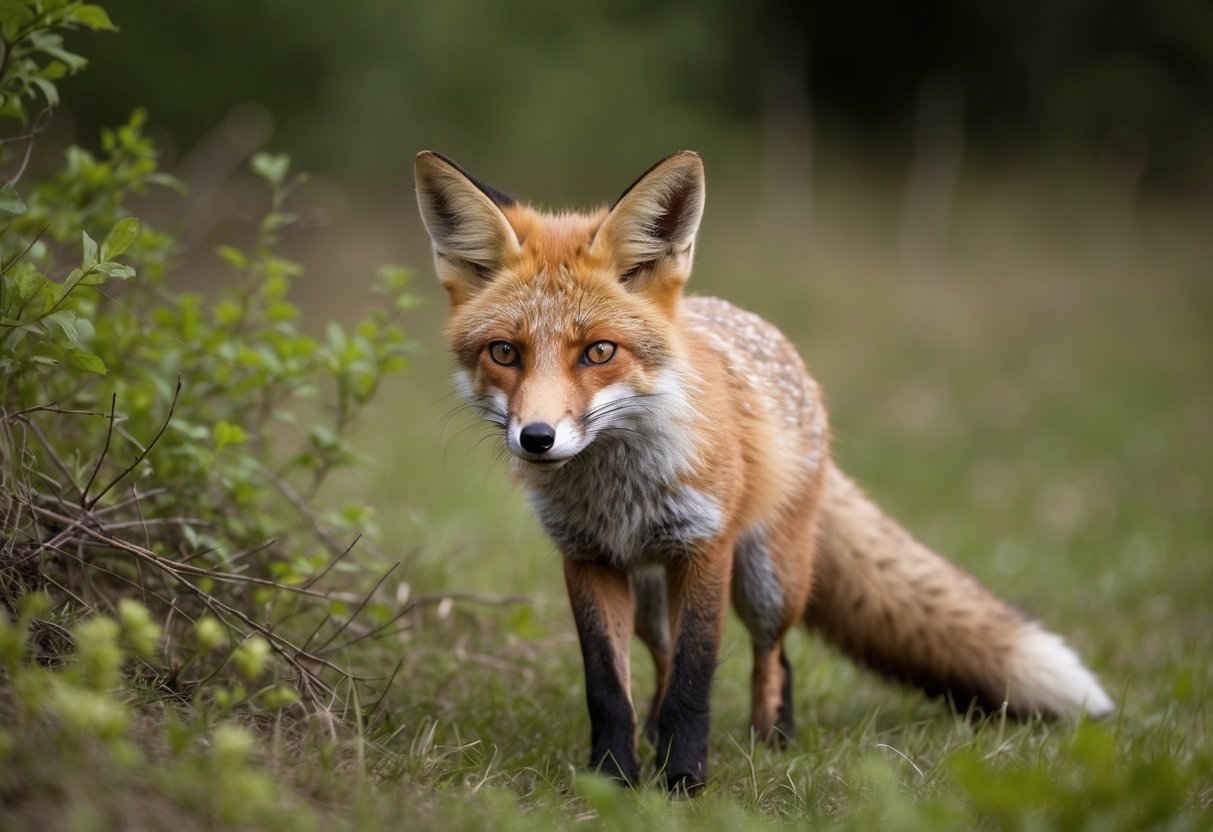
Foxes exhibit unique behaviors influenced by their habitat, diet, and daily routines. By learning more about these aspects, you can better understand why foxes may approach or avoid certain areas.
Natural Habitat and Territory
Foxes, including the red fox, kit fox, and fennec fox, can thrive in various habitats. They often prefer areas with dense vegetation, such as forests, grasslands, and even urban regions. This diverse habitat provides them with cover and food sources.
Territory is very important to foxes. They are territorial animals and mark their domains using scent. This helps prevent conflicts with other foxes. Understanding their territory can help you identify if foxes frequent your area. If you notice signs like tracks or droppings, it indicates that a fox has claimed that territory.
Fox Diet and Feeding Habits
Foxes are opportunistic eaters, meaning they have a varied diet. Their meals are influenced by what is available in their environment. Common food sources include small mammals, birds, insects, and even fruits like berries.
Sometimes, foxes may target livestock if other food is scarce. This can lead to conflicts with farmers. To deter foxes, consider removing food sources around your property, such as pet food or unsecured trash. Keeping gardens clean can also help.
Activity Patterns
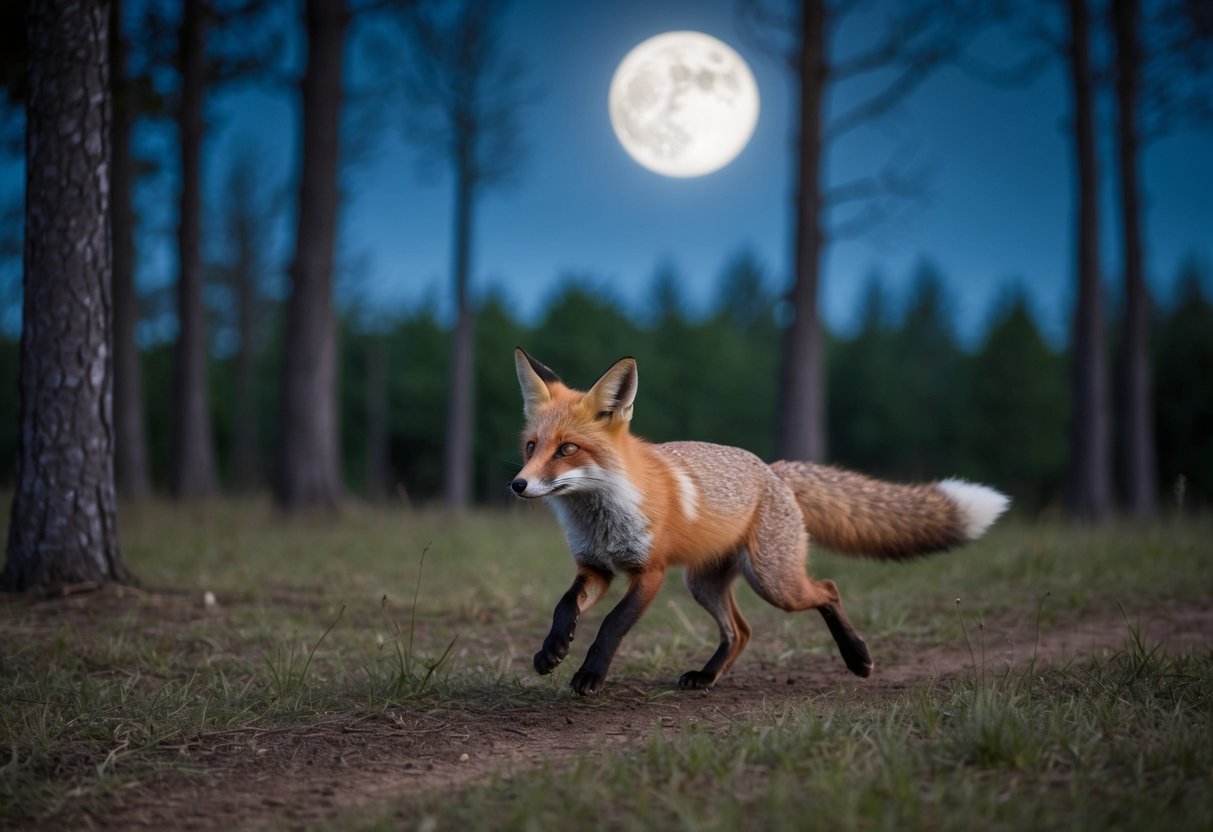
Foxes are mainly nocturnal, meaning they are most active at night. However, they can also be crepuscular, coming out during dawn and dusk. This behavior allows them to hunt when their prey is also active.
In urban areas, it is not uncommon to see foxes during the day, especially if food is plentiful. Their activity level can also be affected by the presence of rabies in the local wildlife population. You will need to be cautious around wild foxes, especially with cubs in the den. Knowing when foxes are active can help you understand their patterns and modify your behavior accordingly.
Effective Deterrents and Repellents

If you want to keep foxes away from your property, there are several effective methods to consider. These range from natural smells that deter them, to commercial products and sturdy physical barriers. Here’s a look at the options available to you.
Natural Repellents
Using natural repellents can be a simple and eco-friendly way to deter foxes. Certain smells are known to repel them. For example, you can use garlic and chili pepper.
-
Garlic: The strong scent of garlic can be off-putting for foxes. Try planting garlic around your garden or using garlic powder in water as a spray.
-
Chili Peppers: Similar to garlic, the heat of chili peppers can deter foxes. You can mix chili powder with water to create a spray.
Additionally, you can scatter citrus peels around your yard, as foxes tend to dislike citrus scents.
Commercial Solutions
If natural methods aren’t enough, consider using commercial fox repellents. These products are designed specifically to keep foxes away and are often available at home improvement stores.
-
Fox Repellent Sprays: These sprays are usually made from natural ingredients and mimic the scents foxes find unappealing. Ingredients like ammonia or certain essential oils can be effective.
-
Ultrasonic Fox Repellents: These devices emit high-frequency sounds that are irritating to foxes but inaudible to humans. Placing them around your property can help keep foxes away.
Physical Barriers
Building physical barriers can be one of the most effective ways to deter foxes from entering your property.
-
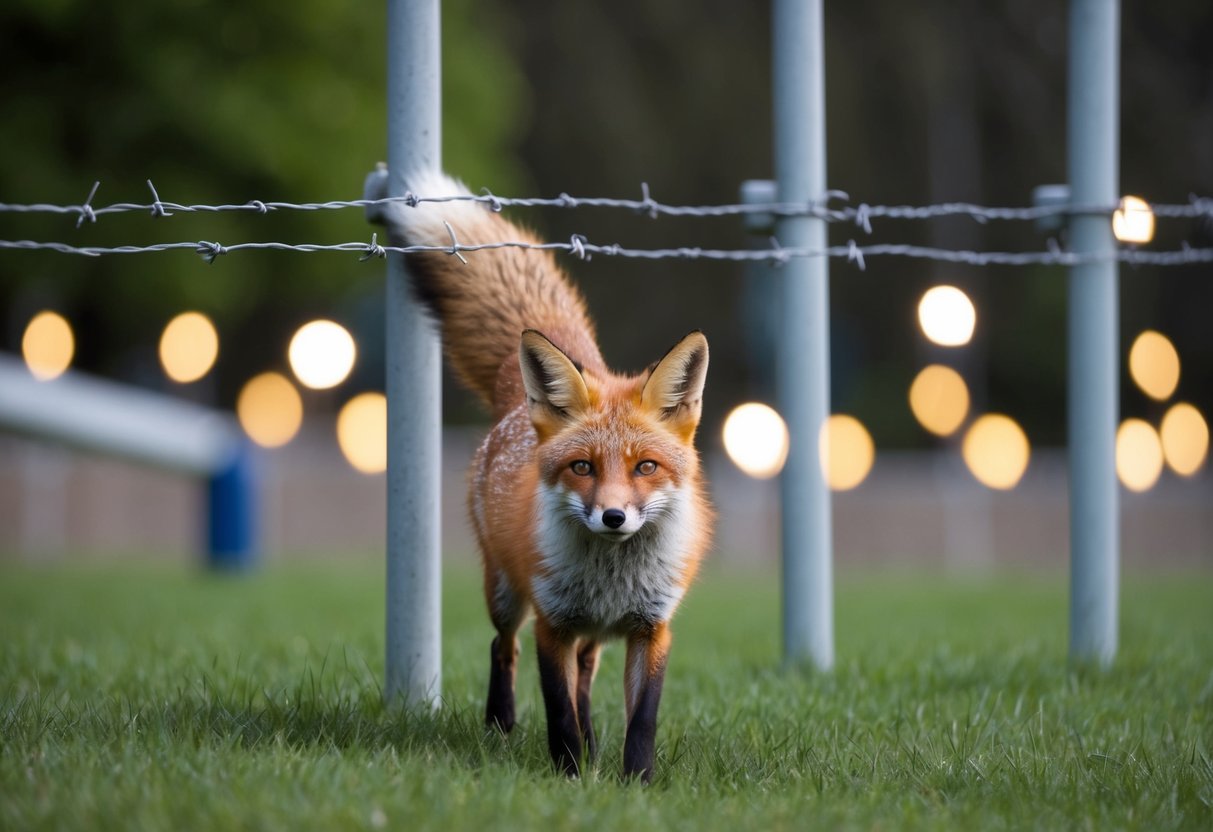
Install a Fence: A solid fence, at least 6 feet tall, can prevent foxes from jumping over. Make sure it’s buried a foot underground to stop digging.
-
Secure Garbage: Keeping food sources hidden is also crucial. Ensure garbage bins are tightly sealed and do not leave pet food outside.
By combining these physical barriers with other deterrents, you create a fuller defense against attracting foxes to your space.
Preventive Measures
Taking steps to prevent foxes from coming around can save you a lot of trouble. Here are some practical strategies that focus on modifying habitats, keeping your livestock and pets safe, and utilizing innovative technology.
Habitat Modification
To reduce the chances of foxes visiting your yard, it’s key to modify their habitat. Start by removing any food sources that might attract them. Secure your garbage bins with tight-fitting lids and avoid leaving pet food outside.
Make sure to bring in any water bowls for pets after they’ve finished. Foxes are drawn to places where they can find food and water easily. You should also trim bushes and shrubs that provide hiding spots.
Additionally, consider covering deep window wells to prevent animals from getting trapped. These simple steps can make your property less appealing for foxes.
Securing Livestock and Pets
If you have livestock or pets, protecting them is essential. Build strong, tall fencing around your animal enclosures. A height of at least 6 to 8 feet is recommended to keep foxes out. Use buried galvanized wire mesh at the bottom to deter digging.
For extra security, consider keeping your animals in sturdy coops or barns at night. This helps reduce their exposure to foxes.
You might also think about using motion-activated sprinklers around your property. These devices can surprise and scare off foxes if they come close.
Innovative Technologies
Using technological solutions can further help in keeping foxes away. For example, motion sensors are useful for alerting you when animals approach your property. You can place them near access points to catch foxes before they get too close.
Another option is to use motion-activated lights. Bright lights can scare off nocturnal visitors.
Some people have found success with auditory deterrents, too. Sounds like barking dogs or predator calls can signal to foxes that it’s not a safe area. Combining these technologies with habitat modification can significantly reduce fox activity around your home.
Taking these preventive measures can create a less inviting space for foxes while keeping your pets and livestock secure.


