
Ever wondered what people call bird vomit? Most folks use the term “regurgitation.” It’s not quite like human vomiting. Birds bring up undigested food from their crop, and they do this to feed their young or sometimes as part of courtship.
Your bird might vomit in the usual sense if it’s unwell, but when you see a bird feeding its babies or mate, that’s usually regurgitation. It’s a controlled, intentional action.
If you can tell the difference, you’ll understand your feathered buddy a lot better. You’ll also spot if something’s off.
Bird vomit, or regurgitated food, usually looks like clumps of seeds, feathers, or bits of undigested stuff. If you’re curious about why birds do this and what it means for their health, stick around.
It’s a quirky fact every bird lover should know.
What Is the Word for Bird Vomit?
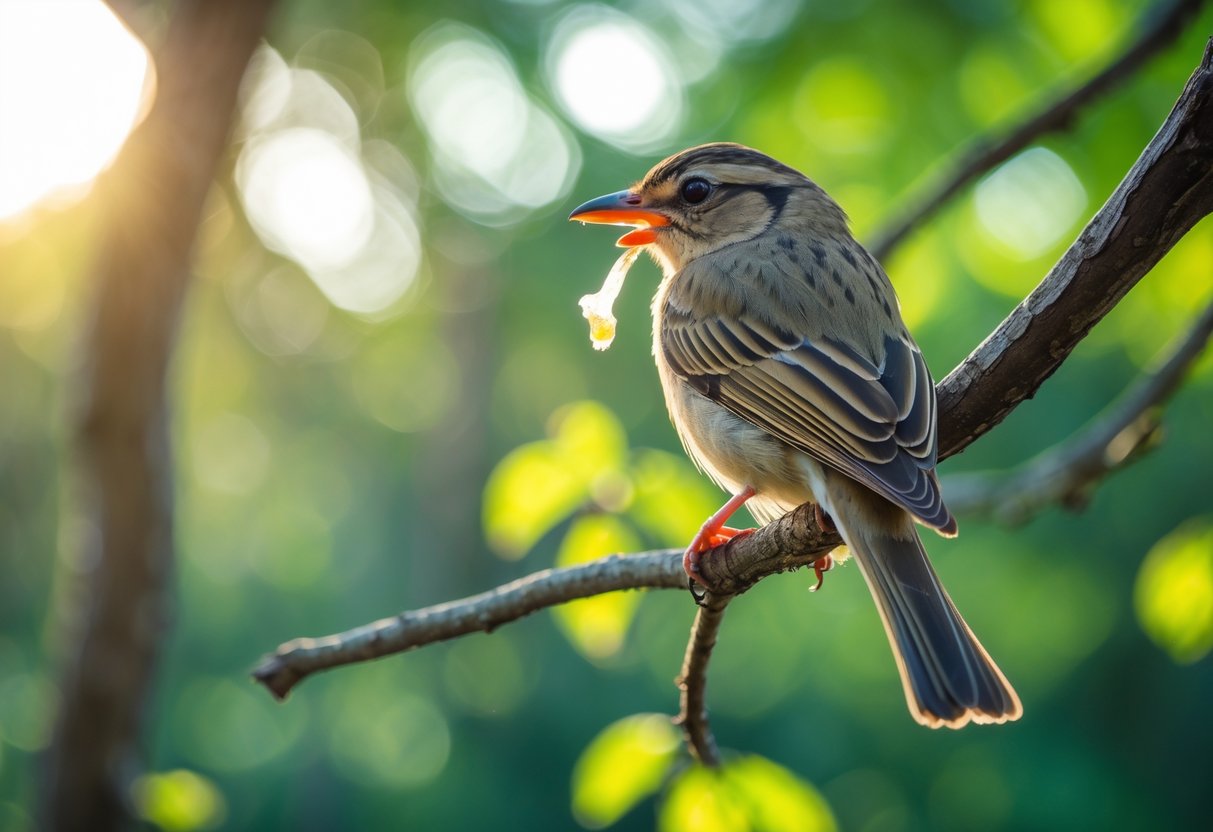
When a bird spits up food, it doesn’t look much like human vomiting. You might spot a mix of undigested seeds, feathers, or other bits.
There’s actually a specific word for this, and knowing it helps you make sense of what’s going on.
Definition of Bird Vomit
People usually call bird vomit regurgitation. Birds do this on purpose most of the time.
They use it to feed their chicks or as part of courtship. Sometimes, though, birds vomit in a more uncontrolled way if they’re sick or under stress.
Regurgitation means the bird brings up food from its crop, which is a pouch in its throat that stores food before digestion. The food is softened but not really digested yet.
You’ll see this “vomit” as clumps of food. Birds might feed this to their chicks or even to their mates.
Difference Between Vomiting and Regurgitation
You really want to know the difference, right? Regurgitation is natural and intentional.
Birds bob their heads and carefully bring up food for sharing or to get rid of it. It’s not a sign of sickness.
Vomiting is different. It’s uncontrolled and messy, usually caused by illness, poisoning, or infection.
You’ll see fluids splattered around the cage or stuck to the bird’s feathers. If your bird vomits a lot, you should probably check for health issues.
Common Contents: Seeds, Feathers, and Undigested Food
The stuff birds regurgitate or vomit usually contains seeds and other undigested bits. Birds swallow seeds whole, so these often come back up before digestion.
You might spot feathers in there too, especially if the bird swallowed them while preening. Sometimes there are bits of fruit, insects, or even tiny bones, depending on what the bird eats.
The color and texture can be all over the place—green, brown, yellow, you name it. If you know what’s inside, you’ll have an easier time telling if it’s normal or a problem.
Want more details? Check out what does bird vomit look like.
Why Do Birds Vomit? Types, Causes, and Avian Health
Bird vomiting can mean a few different things, depending on what’s going on. Sometimes it’s totally normal, but other times, it’s a red flag.
If you understand the causes and watch for signs, you’ll take better care of your bird.
Natural Regurgitation: Feeding Young and Courtship
When birds “vomit” naturally, they’re usually regurgitating. Parent birds feed their chicks this way.
They bring up partially digested food—people call it crop milk—from their crop and feed it to the babies. This stuff helps chicks grow and gives them nutrients and antibodies.
Regurgitation also pops up during courtship. Male birds might regurgitate food as a gift to impress a female or show they can provide.
This builds trust and strengthens their bond. So, not all bird “vomiting” means your pet is sick—sometimes it’s just how birds do things.
Vomiting in Pet Birds: Signs and What to Watch For
If your pet bird vomits a lot or looks distressed, that’s a concern. True vomiting means the bird forcefully expels stomach contents.
You’ll notice signs like retching or head shaking. Usually, vomiting means your bird feels sick or is stressed out.
Watch for other signs—lethargy, no appetite, or weird droppings. If you see these along with vomiting, pay close attention.
Some birds regurgitate as a normal habit, so it helps to know what’s typical for your pet.
Common Causes: Diseases and Illnesses
Illness sometimes causes vomiting. Infections like trichomonas or megabacteria can mess up the digestive system.
Poisoning, parasites, or digestive problems might also trigger vomiting. Stress and a bad diet can play a role, too.
If vomiting happens a lot or comes with other symptoms, it could be something serious—like liver disease or gut issues. Keeping things clean and feeding a balanced diet really helps cut down on risks.
When to Seek Veterinary Care
If your bird keeps vomiting, looks weak, or starts having symptoms like diarrhea or trouble breathing, you should reach out to a vet right away.
Vomiting can quickly lead to dehydration and make things worse fast.
A vet will check your bird and run tests to figure out what’s wrong.
If vomiting is new, severe, or comes with other changes, don’t wait—get in touch with a bird-savvy vet.
Honestly, if your bird just seems off or uncomfortable, it’s better to be safe and call.
Need some basic tips? Check out what should I do if my bird is vomiting.


