
Ever wondered how to say “bird” in Scottish Gaelic? Well, you’re in the right place. The Scottish Gaelic word for bird is “eun” (pronounced “oon”). It’s a simple word, but somehow it captures a lot of what makes Scotland’s nature and language so lively.
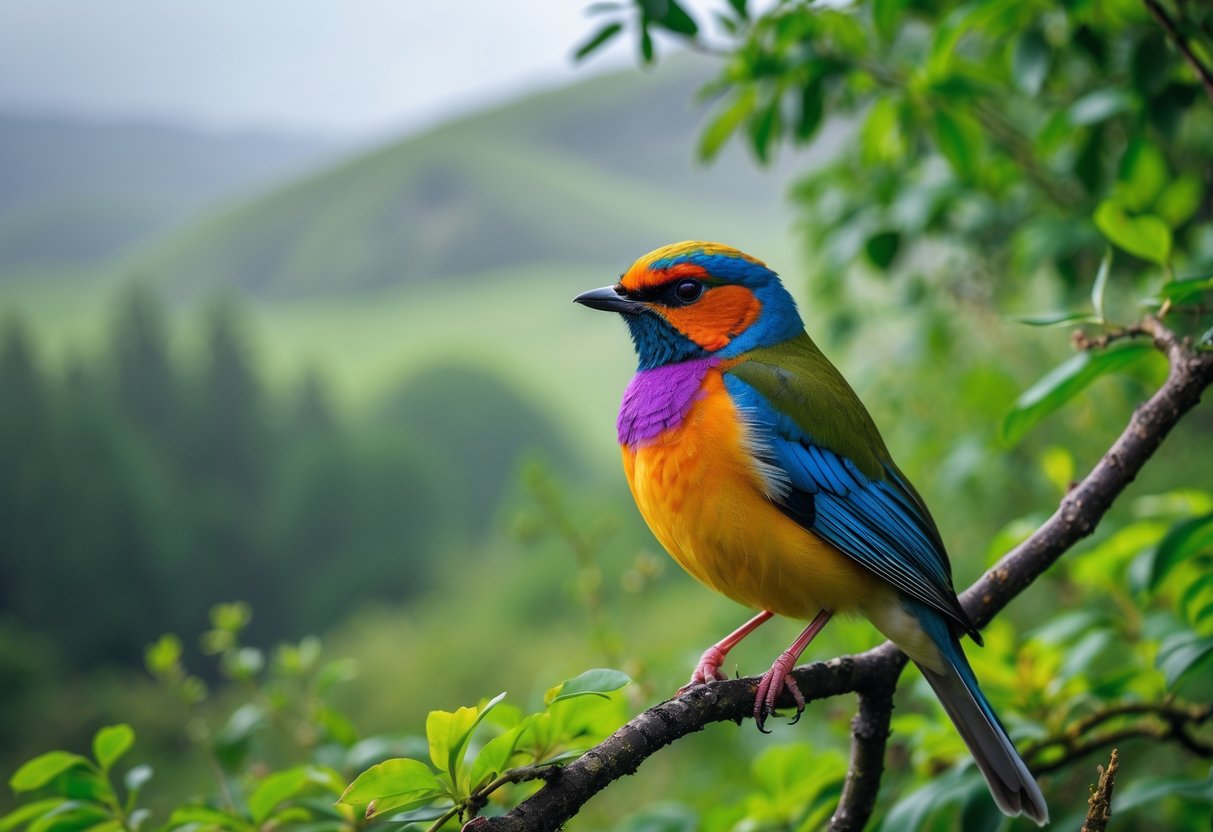
Scottish Gaelic has a charm all its own, especially when it comes to words for animals and the outdoors.
Learning a word like “eun” might open up a bit more of Scotland’s culture and its wild places for you. You’d be surprised how many bird names and sayings start with this little word.
If you’re planning a trip to Scotland, or you’re just a bit curious about Gaelic, picking up “bird” is a fun way in.
Let’s look a little deeper at birds, their Gaelic names, and why this language still matters so much.
The Scottish Word for Bird: Meanings and Translations

When you look for the Scottish word for bird, you’ll see a few different terms depending on the dialect or language.
Scottish Gaelic keeps things simple, but there’s real meaning packed in. Scots speakers also use their own words and slang, which shows just how much language can vary from place to place.
Eun: The Primary Word for Bird in Scottish Gaelic
In Scottish Gaelic, eun (pronounced “oon”) means bird. It’s the main word you’ll hear, and it covers everything from tiny wrens to big hawks.
People use eun in daily talk and in writing all over Gaelic-speaking parts of Scotland.
If you’re learning Gaelic or just listening in, knowing eun makes it much easier to catch bird-related chatter.
Usage of ‘Bird’ in Scottish Dialects
Scots language and local dialects often stick with the English word “bird,” though the accent or slang sometimes changes it up.
For example:
- “Cushie doo” means a wood pigeon.
- “Wee bird” might be a small bird, or it can turn into a friendly nickname for someone.
Scots speakers love their own bird words, which really shows their connection to local wildlife and culture.
It’s honestly pretty neat how language can reflect the land and its creatures.
Alternative Scottish Words and Their Nuances
Besides eun and “bird,” Scotland’s got some quirky alternatives.
These words might point to a specific bird or have a deeper meaning.
For instance:
- Bird’s nest sometimes means the wild carrot plant, because its flower heads look like little nests.
- Words like “birdies’ een” pop up in poetry as sweet names for certain flowers.
Nature and language blend together in Scotland in ways that can surprise you.
If you’re into old poems or stories, these terms might pop up and give you a new perspective.
You can check out more Scots Gaelic bird words and what they mean at this common Scots Gaelic vocabulary page.
Scottish Bird-Related Phrases and Vocabulary

In Scotland, birds have inspired a bunch of unique words and sayings.
These show up in everyday talk, in how people name birds, and in some pretty colorful expressions.
If you get to know these, you’ll get a better feel for how birds shape Scottish language and culture.
Common Phrases Involving Birds
You’ll hear phrases like “early bird” just like in English, describing someone who gets up before everyone else.
Scottish speech also uses words like “clype”, meaning to tattle or tell tales, sometimes linked to the idea of a bird chirping.
Another fun one is “to feart the feathery mob”, which means to scare easily—imagine a flock of birds taking off in a panic.
These expressions give you a sense of how birds pop up in describing people and their quirks.
Popular Scottish Bird Names
Bird names in Scotland can shift depending on whether you’re hearing English, Scots, or Gaelic.
The Scots Gaelic word for bird is “eun”.
Here are a few common Scottish bird names you might spot:
| Bird | Scots Gaelic | Scots English/Slang |
|---|---|---|
| Grouse | Capall-uinneag | Redgrouse |
| Wood pigeon | Cailleach-dubh | Cushie doo |
| Owl | Fitheach | Hoot |
If you know these, you’ll have an easier time chatting with locals or following a story about birds in Scotland.
Regional Expressions and Sayings
Different parts of Scotland have their own special bird sayings. In the northeast, locals might call a wood pigeon a “cushie doo”.
That phrase sounds sweet, doesn’t it? You’ll spot it in plenty of poems and songs.
There’s also the saying “ne’er cast a cloot till May be oot.” Basically, it means you shouldn’t shed a layer of clothing until the seeds (kind of like bird food) are out.
Nature and birds really show up in how Scots talk about the seasons.
These regional words and phrases bring a lot of color to everyday Scottish conversations about birds.
If you’re curious, you can find more examples on sites that focus on Scots bird names.


