
If you’re considering bringing a dog into your home, you might want to think about how much noise they make. Some breeds have a reputation for being particularly vocal. Many people consider the Beagle the noisiest dog breed. These dogs are known for their loud barking and howling. They use their vocalizations to express excitement or alert you to what’s happening around them.

Other breeds, like the Miniature Schnauzer and Chihuahua, also tend to be quite chatty. They often bark to get attention or due to their protective nature. It’s important to choose a breed that fits your lifestyle, especially if you prefer a quieter environment.
Barking can be a part of your dog’s personality. Understanding which breeds tend to be noisier can help you make an informed choice. Whether you embrace the lively sounds of a vocal pup or seek a more serene companion, knowing the traits of these noisiest dog breeds is key.
Understanding Dog Vocalizations and Barking

Dogs use vocalizations, such as barking and howling, to communicate various emotions and needs. Understanding these sounds can help you respond appropriately to your dog’s behavior. Different types of barks may have distinct meanings, and several factors can affect your dog’s barking tendencies.
Types of Dog Barks and What They Mean
Not all barks are the same. Here are some common types of barks and their meanings:
- Alert Barking: This is a sharp, quick bark often used to warn you about something unusual, like a stranger approaching your home.
- Demand Barking: This is heard when your dog wants something, like food or attention. It tends to be repetitive and persistent.
- Playful Barking: Often higher in pitch, this bark happens when your dog is excited and wants to interact.
- Fearful Barking: This bark might be lower and more drawn out, expressing anxiety or fear when your dog feels threatened.
Recognizing these different barks can help you understand what your dog is trying to communicate.
Factors Influencing Barking Behaviors in Dogs
Several factors contribute to how much your dog barks.
- Breed Characteristics: Certain breeds, known for being vocal, may have a higher tendency to bark. For example, Beagles are often loud and expressive.
- Training: Dogs that are well-trained may have more controlled barking behavior. Positive reinforcement can help reduce excessive barking.
- Environmental Factors: Your dog’s surroundings can influence their vocalizations. A noisy neighborhood might lead to more alert barking.
- Individual Personality: Just like people, dogs have unique personalities. Some may be naturally more vocal and expressive than others.
Understanding these factors can help you manage your dog’s barking effectively.
Breeds With Notable Barking Behaviors

Certain dog breeds are known for their distinct barking habits. These behaviors can vary greatly depending on the size and purpose of the breed. Let’s explore how small breeds, large breeds, and hunting dogs express themselves vocally.
Small Breeds and High-Pitched Barking
Small breeds often have high-pitched barks that can be quite loud for their size. Breeds like the Chihuahua, Yorkshire Terrier, and Miniature Schnauzer love to bark, especially when they are excited or feeling alert.
For example, Chihuahuas can bark at quite a volume relative to their small stature. They might react to movements or noises around them. Meanwhile, Yorkshire Terriers can also make their voices heard, signaling excitement or even unease. Likewise, Miniature Schnauzers love to participate in activities vocally, announcing any visitors with a sharp bark.
Large Breeds and Deep, Loud Barking
Large breeds like the German Shepherd, Siberian Husky, and Golden Retriever tend to have deeper, louder barks. Their vocalizations can serve as warnings or simply communicate their presence.
German Shepherds are particularly known for their alert barks. They often serve as protective companions. Meanwhile, Siberian Huskies can be quite vocal, expressing themselves with both howls and barks. Lastly, Golden Retrievers may bark to alert you about strangers, showcasing a balance between friendliness and protective instinct.
Hunting Dogs and Their Vocalization Patterns
Hunting dogs, such as Beagles, Dachshunds, and Russell Terriers, have unique barking habits tied to their functions. These breeds are known to use barking as a way to communicate during hunts.
Beagles have a distinctive bark that can carry over long distances, helping owners track them when chasing game. Meanwhile, Dachshunds might bark occasionally, especially if they sense something unusual. Lastly, Russell Terriers also have loud, enthusiastic barks, often used to indicate excitement or to alert you to activity.
No matter the breed, each dog’s barking style reflects their personality and purpose.
Training and Managing Barking in Dogs
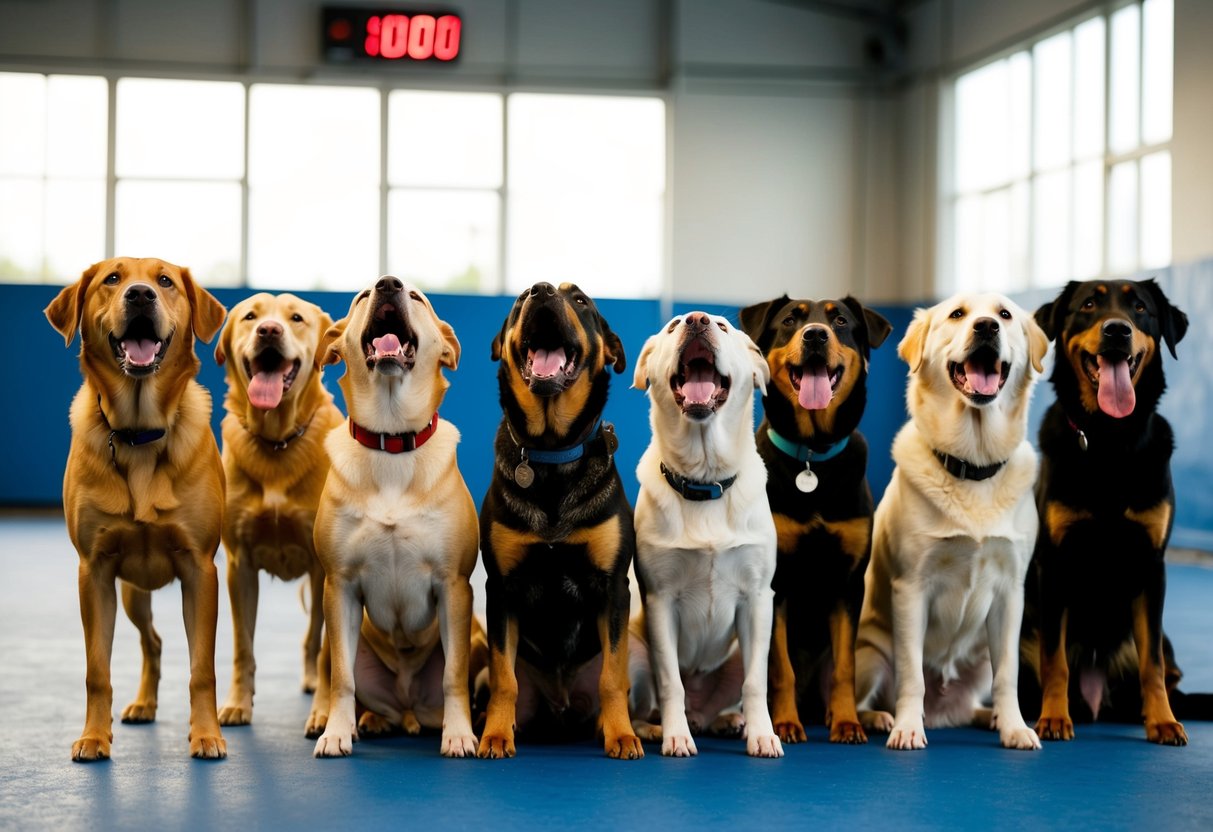
Managing barking involves using effective training techniques and helpful tools. These methods can make a big difference in how your dog vocalizes. Here are strategies to help you handle excessive barking.
Effective Training Techniques for Excessive Barkers
Training your dog is essential for reducing excess barking. Start by identifying what triggers your dog’s vocalizations. Common causes include fear, boredom, or the presence of strangers.
When you recognize the trigger, you can use commands like “quiet” or “enough.” Consistency is key. Each time your dog barks, calmly command them to stop. When they do, reward them with praise or a treat. This builds a positive connection between silence and rewards.
Additionally, distraction techniques can help. When your dog barks, redirect their attention using a toy or engage them in an activity. This way, they learn to focus on something other than barking.
Tools and Aids to Help Control Barking
Using tools like bark collars can also assist in managing barking. These collars work by delivering a gentle correction when your dog barks. Various types of bark collars are available, including vibration, spray, and static collars. Choose one that fits your dog’s size and temperament.
Another helpful tool is a range of training aids, like clickers. Clickers help reinforce good behavior by making a sound when your dog stops barking. This clear signal can aid your training efforts.
Moreover, consider utilizing interactive toys to keep your dog engaged. These can reduce boredom and minimize the desire to bark excessively. Keeping your dog stimulated both physically and mentally will create a calmer environment at home.


