
Finding the right dog can feel overwhelming, especially for first-time dog owners. The Boston Terrier stands out for its friendly nature and easy trainability. This breed balances fun and friendliness while remaining obedient, making it an excellent choice for families and individuals alike.

Small dog breeds often come with big personalities, but some are known for their calm demeanor and good behavior. Breeds like the Shih Tzu and Pug also show great potential for being well-mannered companions.
Understanding dog behavior and selecting the right breed can lead to a rewarding experience, bringing joy and companionship into your home.
If you’re looking for a small dog that fits seamlessly into your lifestyle and is easy to train, the right breed can make all the difference. Read on to discover more about these well-behaved breeds and find the perfect furry friend for you!
Understanding Dog Temperament and Behavior

Dog temperament and behavior play major roles in how well your pup fits into your home. Knowing what influences these traits can help you choose the right dog for your lifestyle.
Factors Influencing Behavior
Several factors shape a dog’s behavior. Genetics is essential; some breeds are naturally more sociable than others. A well-bred small dog often has a calm demeanor and sees you as a leader.
Environment also has a big impact. A safe and loving home helps dogs feel secure. If you adopt from a shelter, consider the dog’s history.
Training plays a vital role too. Positive reinforcement methods help your dog learn good behaviors. For first-time dog owners, patience during training is key.
Spend time socializing your pup with other dogs and people. This helps them develop into a well-balanced companion.
Temperament Traits of Well-Behaved Dogs
Well-behaved dogs share some common temperament traits. Trainability is crucial; breeds that learn quickly make excellent companions. Look for dogs that are eager to please and respond well to commands.
Sociability is another key trait. Friendly dogs get along well with other pets and people. This makes outings and visits more enjoyable for you and your dog.
Also, consider calmness. A dog that isn’t easily excited will likely adapt better to various situations. Traits like these are especially important if you are a first-time dog owner. With the right breed, you can foster a positive environment for both of you.
Popular Small Dog Breeds and Their Dispositions
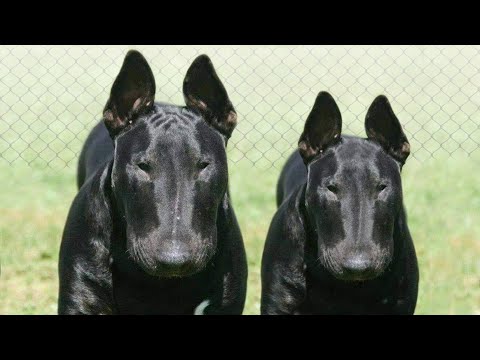
Small dog breeds are known for their charming personalities and lovable traits. Each breed has unique characteristics that may fit different lifestyles and homes. Here, you’ll learn more about some popular small dog breeds and what makes each one special.
Boston Terrier
The Boston Terrier is often referred to as the “American Gentleman” due to its classy appearance and friendly demeanor. This breed is intelligent and eager to please. Boston Terriers are known for being well-behaved and adaptable, making them great companions in both apartments and houses.
Their playful nature is combined with a calm disposition, which makes them suitable for families as well as singles. They enjoy socializing and are typically good around children and other pets. Regular exercise and mental stimulation are key to keeping them happy.
Cavalier King Charles Spaniel
Cavalier King Charles Spaniels are affectionate and gentle dogs. They bond closely with their owners, making them loving companions. This breed has a friendly and sweet temperament, which makes them great with kids and other pets.
They thrive on attention and love being included in family activities. While they’re playful, they also enjoy relaxing on the couch with you. Regular grooming is important as their beautiful coat requires care to prevent tangling.
Pug
Pugs are known for their charming, goofy personalities. Their small size and unique face make them quite endearing. This breed is friendly and loving, often forming strong attachments to their families.
Pugs are generally well-behaved and can adapt to different living situations. They enjoy being active but also love their downtime. Regular exercise is essential for maintaining their health, as they tend to gain weight easily.
Shih Tzu
The Shih Tzu is a cheerful and friendly small dog. They have a playful attitude and are known for their companionship. This breed is affectionate and enjoys being pampered, often thriving in family settings.
Shih Tzus have a calm demeanor and get along well with children and other pets. Their long, luxurious coat needs regular grooming to keep it looking its best. They enjoy moderate exercise and are happy with short walks or playtime.
French Bulldog
French Bulldogs are known for their playful and attentive nature. They are compact but strong, with a characteristic bat-like ear shape. This breed is affectionate and forms close bonds with their families.
French Bulldogs are generally easy-going and well-mannered. They adapt well to different living conditions, making them suitable for city dwellers. While they enjoy short walks, they’re also happy relaxing at home, making them a versatile choice for many lifestyles.
Poodle
Poodles come in three sizes: standard, miniature, and toy, but all are known for their intelligence and trainability. They are energetic and eager to please, making them some of the best-behaved small dogs around.
Poodles are highly social and generally get along well with children and other pets. Their hypoallergenic coat means less shedding, but it does require regular grooming. They need consistent exercise to stay healthy and happy, enjoying activities like agility training and interactive play.
Training and Caring for Small Dog Breeds

Training and caring for small dog breeds involves understanding their unique needs and behaviors. You can create a positive experience for both you and your dog by using effective training methods, maintaining their grooming needs, and being aware of health considerations.
Training Tips for Optimal Behavior
When training small dog breeds, consistency is key. Use short, positive training sessions to keep your dog engaged. Reward good behavior with treats or praise, and focus on basic commands like sit, stay, and come.
Important Tips:
- Socialization: Expose your dog to different people, pets, and environments early on. This helps reduce anxiety and improves behavior.
- Leash Training: Teach your dog to walk calmly on a leash. Use a harness for added control, as small dogs can be prone to pulling.
- Patience: Remember, small breeds can sometimes be stubborn. Stay patient and avoid negative reinforcement.
Maintenance and Grooming Needs
Small dog breeds often need regular grooming to keep them looking their best. Depending on their coat type, you may need to brush them daily or weekly.
Grooming Checklist:
- Bathing: Bathe your dog every few weeks using a gentle dog shampoo.
- Brushing: Brush your dog’s coat to prevent tangles and mats.
- Nail Trimming: Regularly check and trim your dog’s nails to keep them healthy.
Keeping up with grooming not only maintains their appearance but also enhances their overall comfort.
Health Considerations Specific to Small Breeds
Small dog breeds can be prone to specific health issues, so you need to monitor their health closely.
Common Health Concerns:
- Dental Care: Small dogs often face dental issues. Brush their teeth regularly and consider dental chews.
- Obesity: Small breeds can gain weight easily, so monitor their food intake and provide regular exercise.
- Joint Problems: Some small dogs are prone to joint issues, so make sure they have a comfortable place to rest and avoid excessive jumping.
Always consult with your veterinarian for tailored advice on keeping your small dog healthy and happy.
Making the Match: Choosing the Right Small Dog

Finding the right small dog involves looking at your lifestyle, your experience as a pet owner, and the dynamics of your family. Each small breed has unique traits that can fit different situations. Here are some important points to consider.
Considering Lifestyle and Environment
Your daily routine plays a big role in choosing a small dog. If you lead an active lifestyle, a breed like the Jack Russell Terrier may suit you. These dogs thrive on energy and exercise.
If you prefer a quieter life, breeds like the Chihuahua or the Pug are great companions. They enjoy lounging and are happy as lap dogs.
Always consider your living situation too. If you live in an apartment, look for low-maintenance dog breeds that adapt well to small spaces. Regular walks and some playtime are key.
Expectations for First-Time Owners
As a first-time dog owner, you should choose a breed that’s known for being easy to train. Breeds like the Cavalier King Charles Spaniel or the Bichon Frise are friendly and often eager to please.
These dogs tend to be good with basic commands, making them ideal for new owners. They also usually adapt quickly to different environments and routines.
Patience is important. Training can take time, and understanding your dog’s needs will help you bond. Don’t hesitate to seek help from trainers or resources if needed.
Choosing a Companion for Families
If you have kids, you need to select a family-friendly dog. Small breeds like the Cocker Spaniel or Boston Terrier are known for their playful, gentle natures. They often get along well with children and can be engaging playmates.
Make sure that the breed you choose can handle the noise and activity that comes with family life. Also, consider the dog’s energy level. Some, like the Shih Tzu, are more laid-back and can adapt well to calmer households.
Safety is key. You should supervise interactions between dogs and young children to teach respect and care for the pet. A well-matched breed can become a beloved family member.


