
If you’ve ever wondered about the differences between the Alaskan Malamute and the Siberian Husky, you’re not alone. Many people are curious about whether these two popular dog breeds are the same or distinct. While they share a common ancestry and have similar appearances, they are not the same breed. Understanding these differences can help you choose the right dog for your lifestyle.
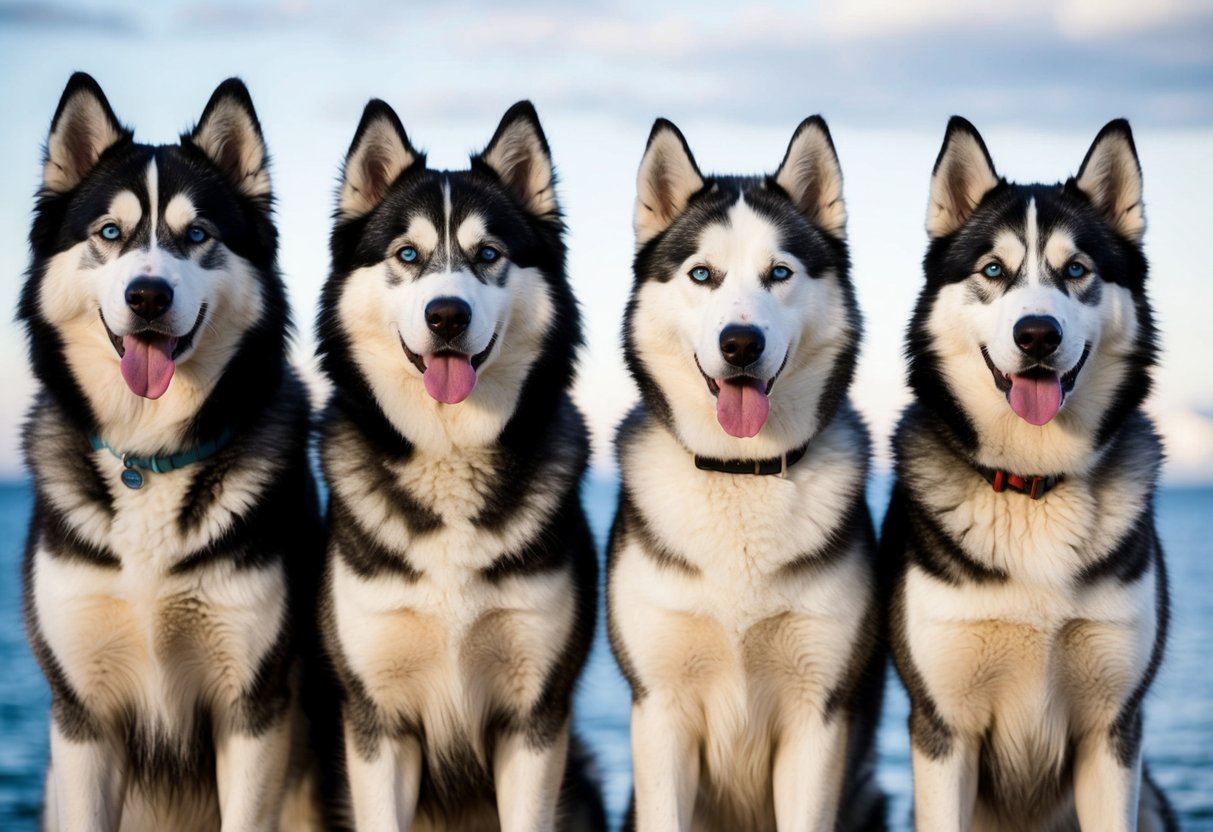
Alaskan Malamutes are larger and more robust, often bred for strength and endurance. They were used to pull heavy sleds and assist in hunting. On the other hand, Huskies are known for their speed and agility, making them more suited for long-distance sledding.
Both breeds are friendly and social, but their energy levels and temperaments can vary significantly.
Learning about these breeds will deepen your appreciation for their unique traits. By exploring the differences in their behavior, size, and purpose, you will be better prepared to enjoy a fulfilling relationship with either breed. So, let’s dive into the fascinating world of the Alaskan Malamute and Siberian Husky!
Understanding the Breeds
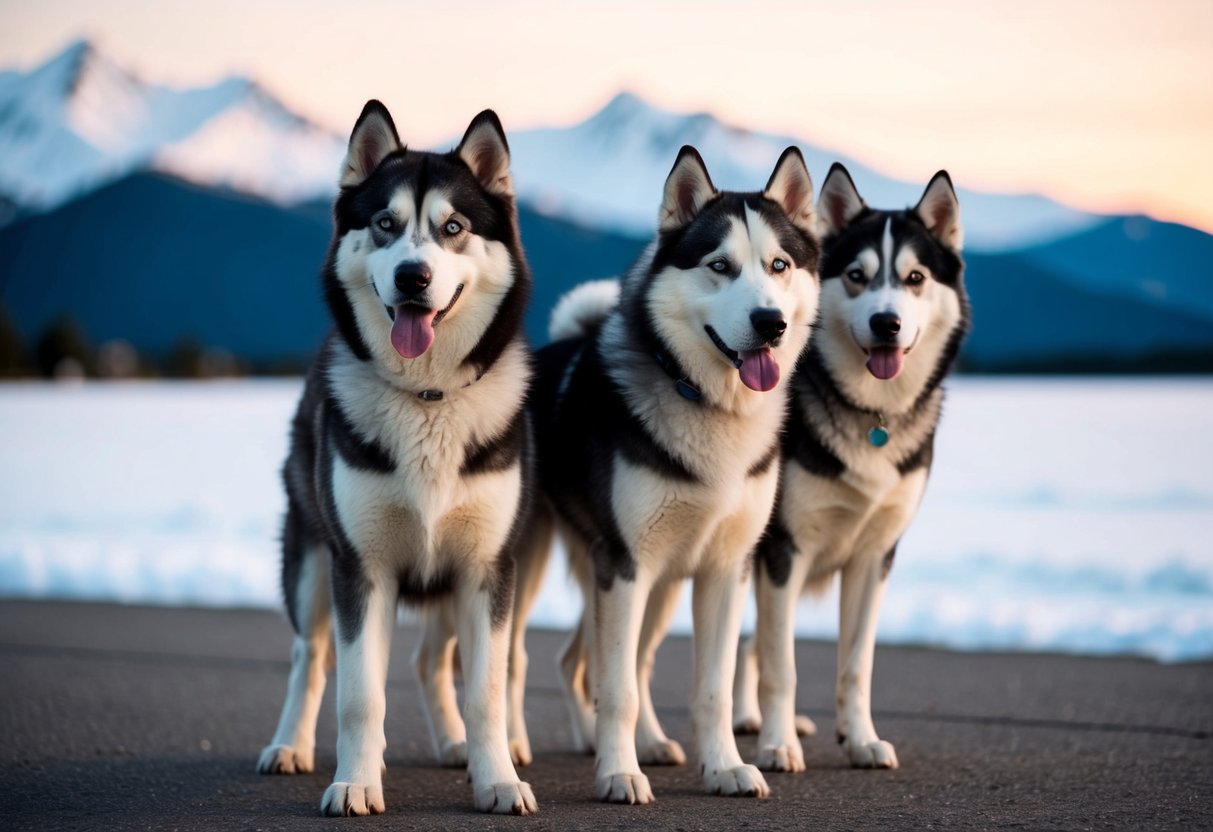
When exploring whether Alaskan Malamutes are Huskies, it’s essential to look at their history, physical traits, and personality. Each breed has unique characteristics that define them and influence their behavior and needs.
History and Origin
The Alaskan Malamute and the Siberian Husky both hail from Arctic origins. The Malamute originates from the Mahlemut tribe of Alaska, known for using these dogs for heavy hauling. They were bred for strength and endurance.
On the other hand, Huskies were developed by Siberian tribes for sled pulling over great distances. Their history reflects their roles as companions and working dogs. Understanding their origins helps explain their differing behaviors and roles in human life.
Physical Characteristics
Alaskan Malamutes are significantly larger than Siberian Huskies. A mature Malamute can weigh between 75 to 100 pounds, while Huskies usually weigh around 35 to 60 pounds.
Both breeds have a wolf-like appearance, but Malamutes are broader and more muscular. You’ll notice the Malamute’s thick double coat, which is designed to keep them warm in frigid temperatures.
Huskies often have distinctive facial markings and can come in a variety of colors. Their striking blue or multi-colored eyes add to their charm. Both breeds have bushy tails, but the shape and curl may differ slightly.
Personality and Temperament
Alaskan Malamutes are known for their affectionate and loyal disposition. They bond closely with their families and are typically friendly dogs. While they can be social, they may show a higher prey drive and independence compared to Huskies.
Siberian Huskies are friendly and outgoing, often thriving in social settings. They have a playful nature and need a good amount of exercise to stay happy. Each breed requires early socialization to develop good behavior, making both unique companions for active households.
Health and Wellness
Taking care of your Alaskan Malamute or Siberian Husky involves focusing on their health and wellness. Both breeds have distinct needs regarding exercise, diet, and common health issues that you should be aware of to keep them happy and healthy.
Common Health Concerns
Alaskan Malamutes and Huskies can face specific health issues. One common concern is hip dysplasia, where the hip joint doesn’t develop properly, potentially leading to arthritis. Both breeds can also experience polyneuropathy, a condition affecting their nerves and muscles.
Hypothyroidism is another issue, leading to weight gain and skin problems. Furthermore, they are prone to zinc deficiency, which can cause skin issues and hair loss. Other potential health problems include eye problems like cataracts and bloat, which is a serious condition requiring immediate care. Regular vet check-ups will help catch these issues early.
Exercise and Nutrition
These breeds require a high level of exercise to keep them fit and healthy. Daily walks, runs, and play can help meet their activity needs. Aim for at least 1-2 hours of vigorous exercise per day.
In terms of nutrition, a diet rich in animal protein is crucial. Be careful with portion sizes to avoid obesity, as both breeds can gain weight easily if overfed. Limit carbohydrates and focus on healthy fats, such as omega-3s, to promote coat and joint health. Regularly monitoring your dog’s weight and adjusting their diet as needed is key to their well-being.
Training and Care
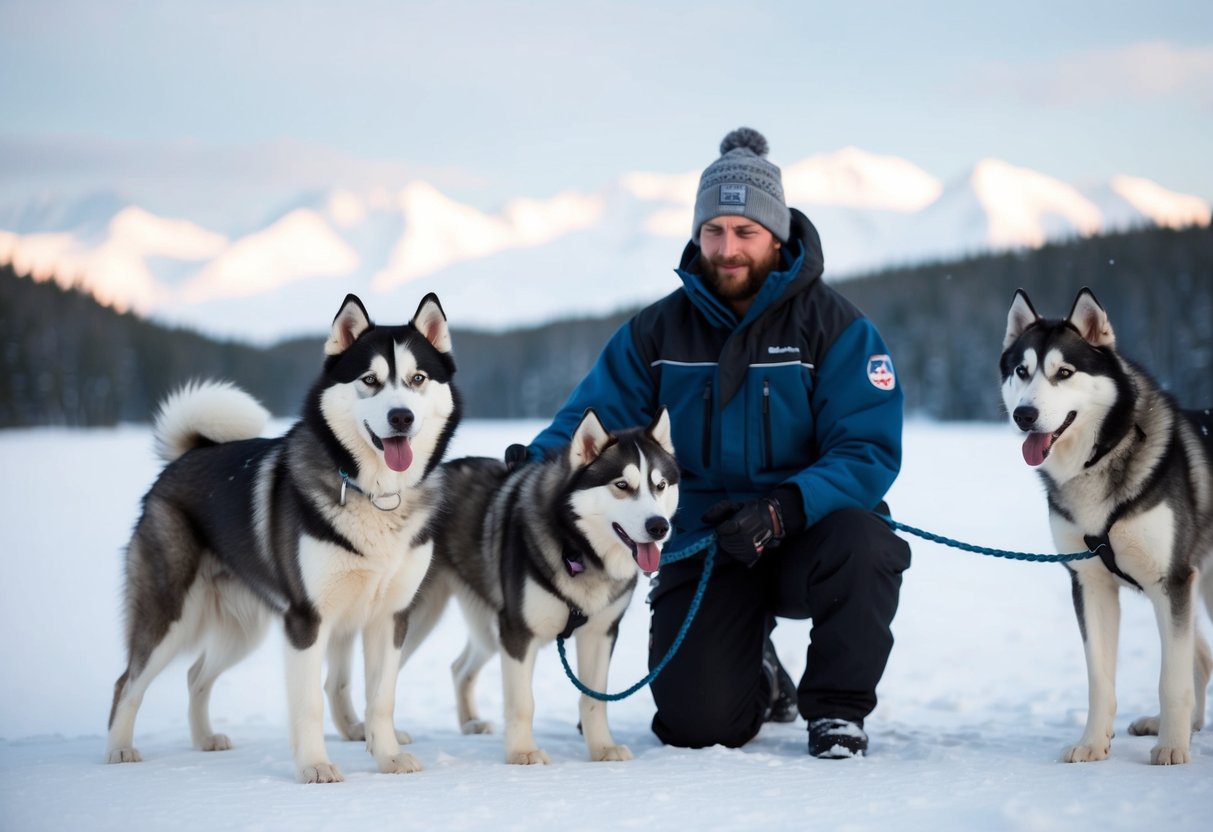
Taking care of Alaskan Malamutes and Huskies requires special attention to grooming, training, and their living environment. Both breeds need physical and mental stimulation, making your approach to their care crucial for their happiness.
Grooming and Shedding
Both Alaskan Malamutes and Huskies have thick double coats, which means regular grooming is essential. You should brush their coats at least once a week to remove loose fur and prevent matting.
During shedding season, which occurs in spring and fall, you might need to brush them more frequently. This helps control their shedding and keeps your home cleaner. Bathing should only be done when necessary, as too much bathing can strip their coats of natural oils.
Always pay attention to their ears, teeth, and nails as well. Keeping their ears clean and nails trimmed helps maintain overall health.
Training and Socialization
Training is vital for both breeds due to their high intelligence and energy levels. Start training young to ensure they learn commands and proper behavior. Positive reinforcement works best, as both breeds respond well to encouragement.
Socialization is just as important. Expose your Malamute or Husky to different people and environments to help them become well-adjusted. Engaging in activities like agility or obedience training can channel their energy and intelligence effectively.
Without proper training, they can develop destructive behavior, so consistent training is key to a happy, well-behaved pet.
Lifestyle and Environment
Both breeds thrive in active households. They require regular exercise, such as daily walks or runs, to burn off their high energy levels. This is essential to prevent boredom and destructive behavior.
A yard is ideal for them, but make sure it’s securely fenced as they have strong instincts to roam. Cold climates suit these breeds well, as they are adapted to cooler temperatures. If you live in a warmer area, ensure they have access to shade and water.
Cultural Significance and Working Role
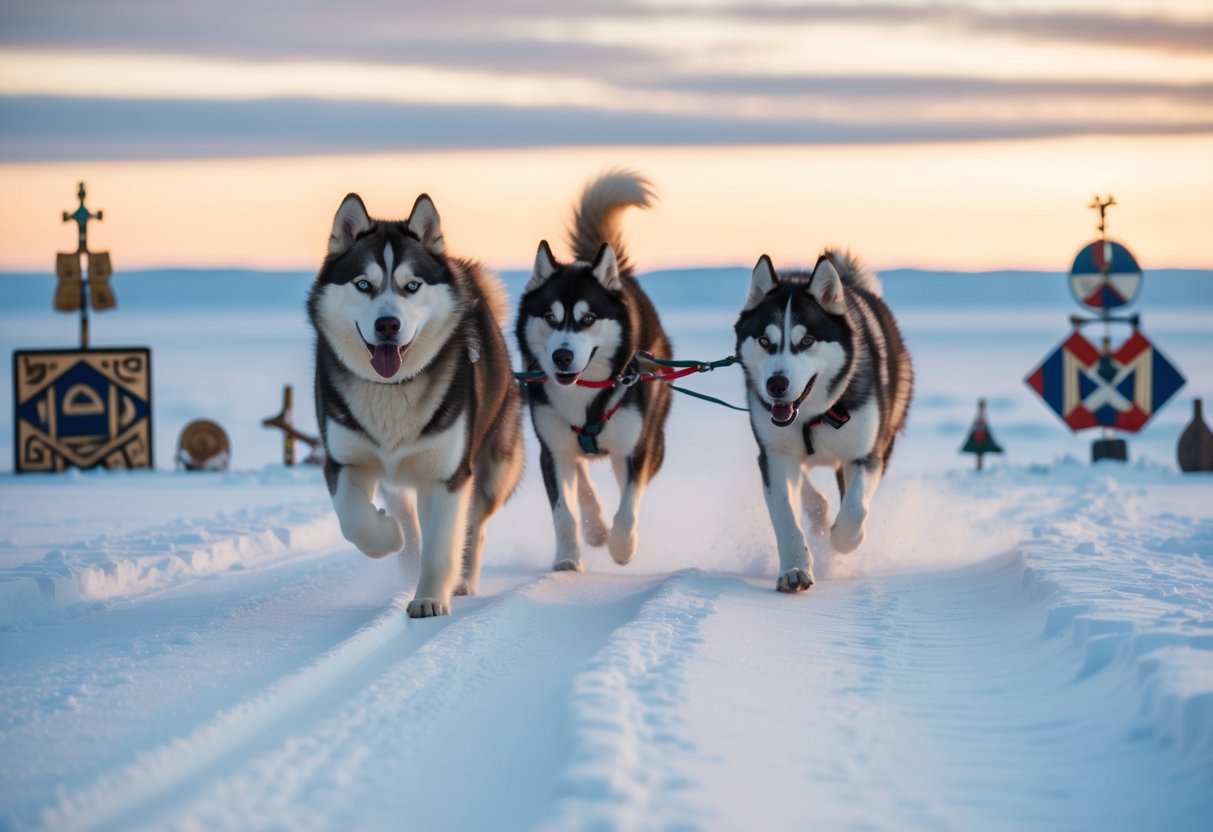
Alaskan Malamutes and Siberian Huskies have a rich history as working dogs. Both breeds served important roles in their communities for many generations.
As sled dogs, they were essential for transportation in harsh Arctic conditions. Their strength and endurance made them perfect for sled pulling. This allowed them to haul heavy loads and help people survive in extreme environments.
These dogs were also used as pack animals, carrying supplies for explorers and settlers. Their ability to endure long distances made them reliable companions during tough journeys.
In addition to pulling sleds, Malamutes and Huskies can act as guard dogs. They protect homes and property with their strong instincts and loyalty. This protective nature adds to their value in various roles.
Another interesting aspect is their involvement in dog racing. While both breeds differ in speed, they have become popular in competitive sledding events, showcasing their agility and teamwork.
Both breeds represent more than just pets; they are a link to the past and show how dogs have adapted to human needs. The cultural significance of these breeds is deeply rooted in their working roles, making them respected companions in both history and modern life.


