
Ever wondered which bird tops the global sales charts? The answer might not be what you expect.
People all over the world buy and sell millions of birds every year. The wild bird trade is massive, and honestly, it’s not always above board. Sure, many species are traded legally, but a big chunk of the market is illegal or just plain unsustainable.
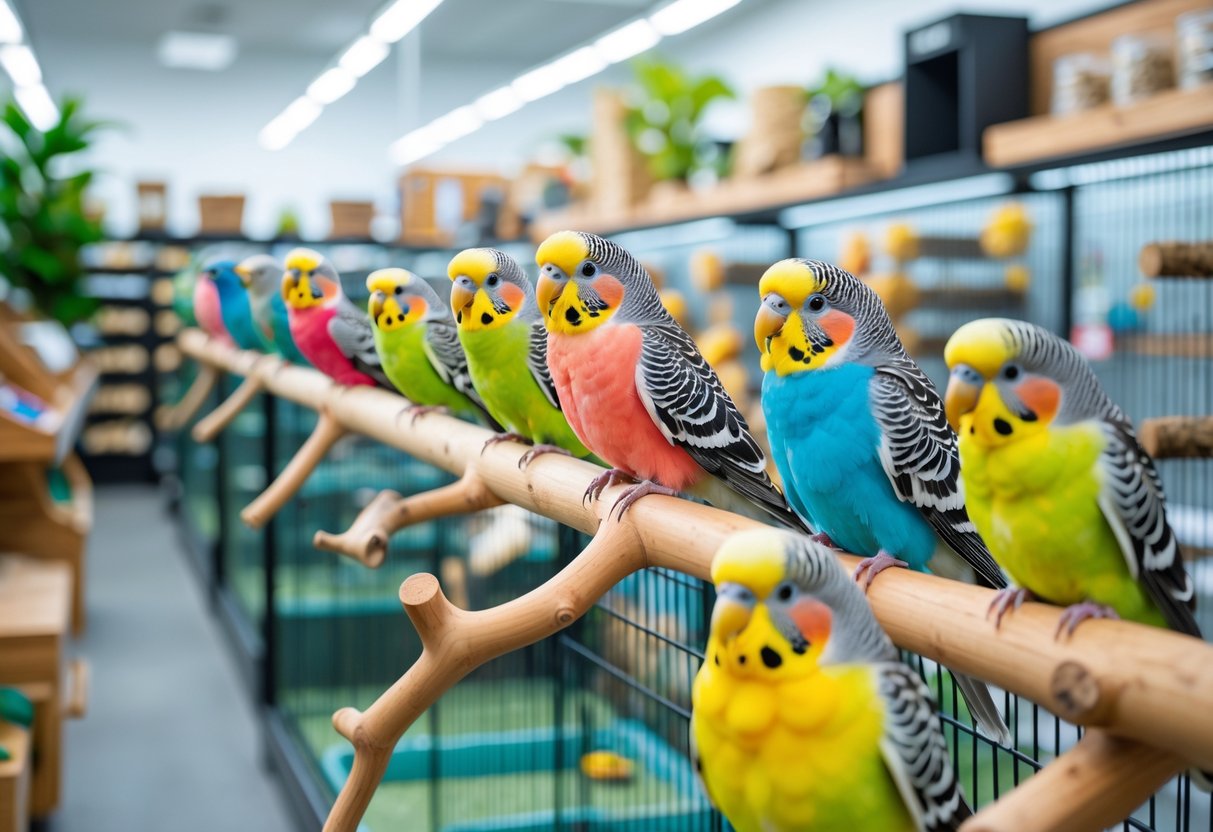
Small, colorful birds like finches and parrots usually top the list for most sold wild species. Folks pick them for their bright feathers and because they actually do well in a home environment.
If you know which birds get traded most, you’ll get a better idea of how this affects wildlife—and maybe why some protection efforts matter more than you’d think.
What Is the Most Sold Bird in the World?
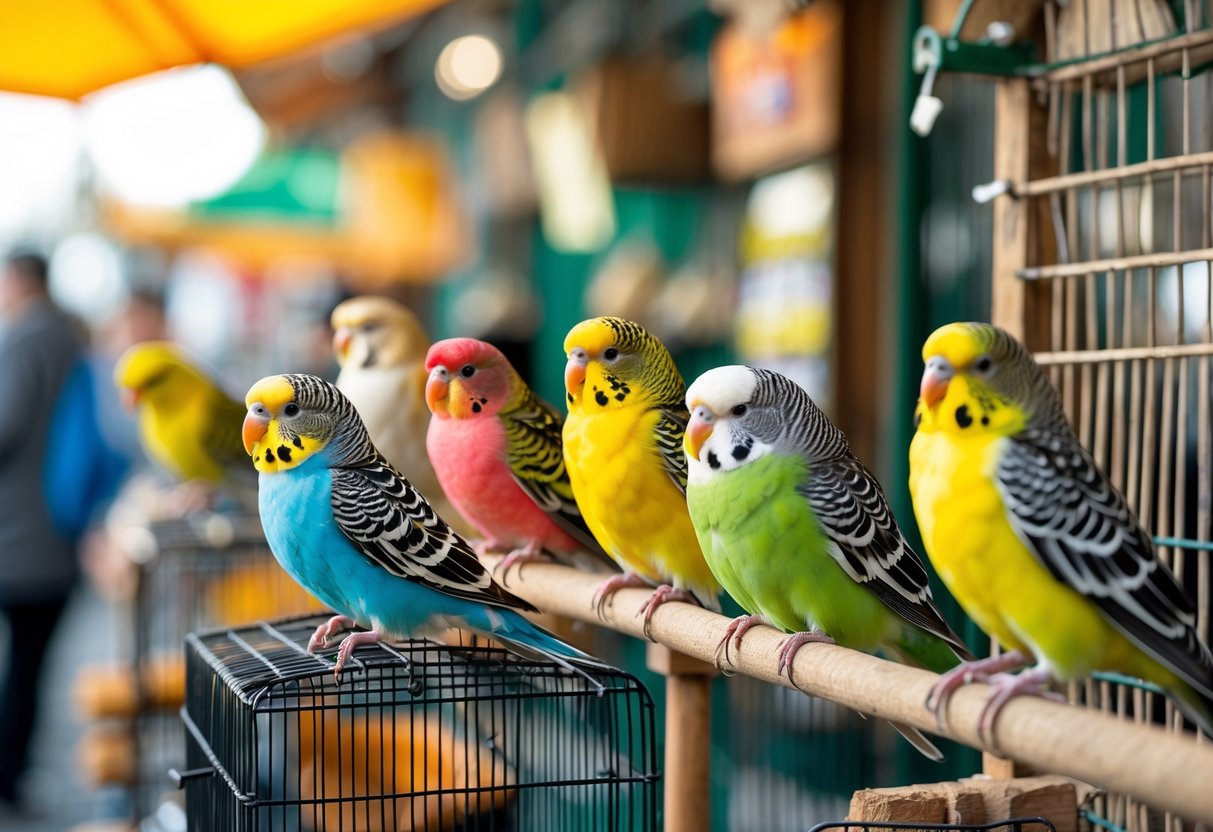
Bird sales really depend on your location and what you’re after. Some people want birds for their looks or speed, while others just want a friendly pet or a competitor for races.
You’ll see different birds traded in huge numbers, depending on the region.
Racing Pigeons and Their Global Popularity
Racing pigeons—yep, Columba livia domestica—have become some of the most sold birds on the planet.
People breed them for their speed, stamina, and uncanny knack for finding their way home. Remember that famous pigeon, Armando? Someone bought him for $1.4 million. That’s wild, right?
Asia and Europe really love their racing pigeons. Fans there organize big races, and the fastest bird can earn serious prize money. This kind of competition keeps demand high.
Unlike finches or songbirds, folks value racing pigeons more for their skills than their looks or songs.
Factors That Influence Bird Sales
A few things shape which birds sell the most. Breeders focus on quality, rarity, and whether it’s legal to trade the bird.
Racing pigeons cost more because people breed them so carefully for performance. Meanwhile, songbirds and finches sell in bigger numbers but at much lower prices.
How easy the bird is to care for also makes a difference. Birds that need special food or habitats don’t fly off the shelves as much.
Racing pigeons are generally easier to keep than, say, rare macaws or tropical birds. Laws and restrictions also play a big part in what you’ll find for sale.
Most Traded Bird Species by Category
Birds in the market usually fall into a few groups: racing birds, pet birds, and exotic birds.
Racing birds: Racing pigeons dominate here. Their speed and training make them valuable in the trade.
Pet birds: Songbirds and finches are super popular. People buy them in huge numbers because they’re easy to care for and make good pets.
Exotic birds: These are less common but fetch much higher prices. Think macaws or cockatoos—rare and pricey.
When you’re picking a bird to buy or sell, it’s worth thinking about what you want the bird for and how much work you’re willing to put in.
Racing pigeons really stand out because they’re both popular and valuable, especially if you’re into competitions. If you want to read more about pricey and popular birds, check out types like the racing pigeon.
Most Expensive and Sought-After Birds
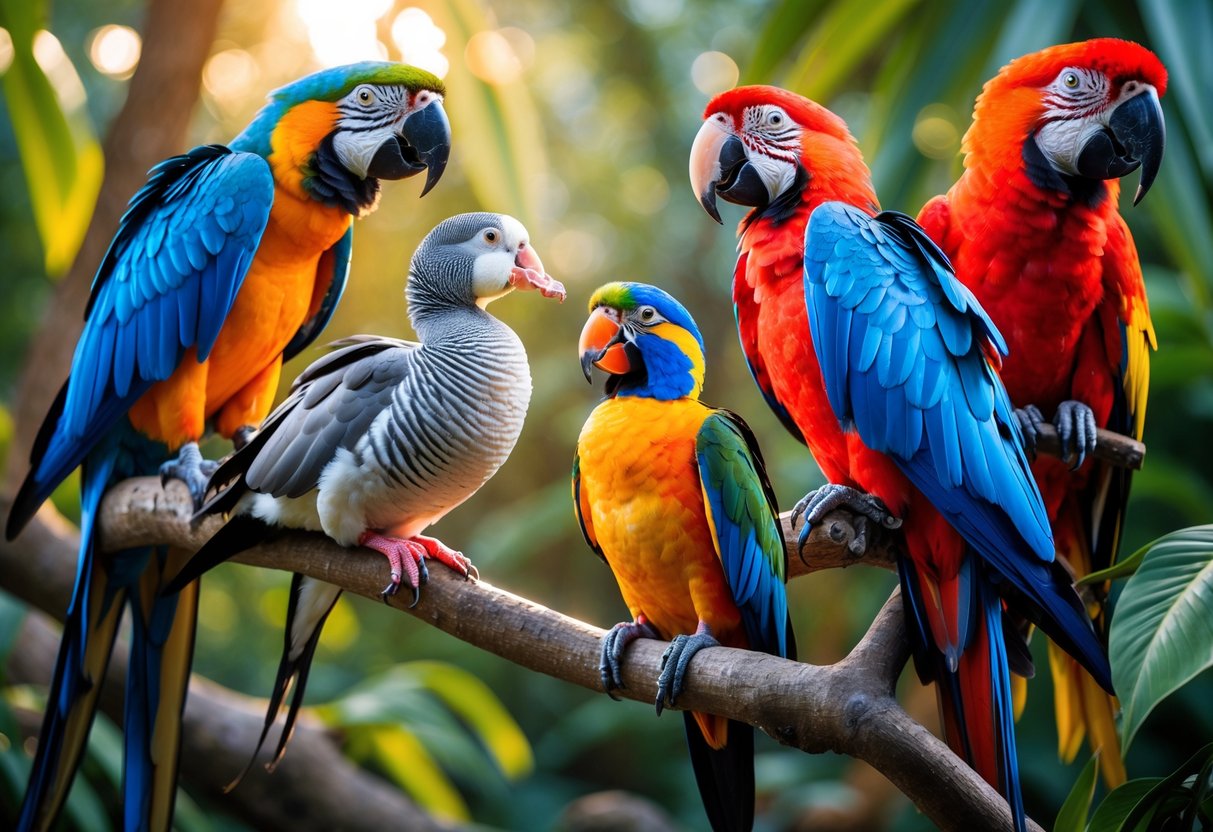
Some birds don’t just stand out for their looks—they’re famous for their price tags and rarity, too. You might not expect it, but a few birds have sold for truly jaw-dropping amounts.
Usually, the price comes down to rare features, special breeding, or just how hard they are to care for.
High-Value Racing Pigeons: A Closer Look
Racing pigeons are a bit of an oddball in the “most expensive bird” category, but they’re right at the top.
People breed them for speed and their amazing homing skills. Armando, a racing pigeon, sold for a mind-blowing $1.4 million back in 2019.
Collectors and racers, especially in Asia and Europe, go crazy for these birds. They’re not just pretty—they’ve got real talent.
Ordinary pigeons are everywhere, but these racing types can fetch thousands or even millions, depending on their lineage.
Record-Breaking Bird Auctions
When birds like racing pigeons hit the auction block, prices can get outrageous. Besides Armando, another pigeon named Contador went for $225,000 at the same event.
Auctions like these show how much people will pay for rare skills and strong bloodlines.
Some exotic birds, like the Spix’s macaw, also grab huge sums. This endangered blue parrot might sell for around $200,000, mostly because so few exist in the wild.
So, rarity, beauty, and demand all play a part in these wild auction prices.
Other Most Expensive Birds on the Market
Let’s go beyond racing pigeons and rare macaws for a second. Plenty of birds fetch jaw-dropping prices just because of their looks or how rare they are.
Take the Hyacinth Macaw for example. It’s the largest parrot species, and people pay anywhere from $7,000 up to a wild $40,000 for one. Why? Those bright blue feathers and the fact that you hardly see them in the wild anymore.
Black Palm Cockatoos—some folks call them Goliath Cockatoos—can sell for up to $19,000. They’re powerful, wicked smart, and honestly, a nightmare to breed, which definitely bumps up the price.
You might spot Flamingos with price tags around $3,500. Toucans? Sometimes $10,000. Permits and their picky care routines make both a whole ordeal to own.
Then there’s the Ayam Cemani chicken. It’s famous for being all black—feathers, skin, everything—thanks to something called fibromelanosis. These chickens usually go for $2,500 to $3,000.
White Peacocks are another wild one. They can sell for up to $1,500. They’re rare genetic mutations and, for ages, have been a symbol of wealth and elegance.
Most of these prices aren’t just about pretty feathers. It’s about how hard they are to care for, how few there are, and sometimes the red tape you have to cut through just to own one.
If you want to dig deeper into why these birds cost so much, check out these articles: most expensive types of birds and top birds in auctions.


