
So, you’re thinking about keeping a chipmunk as a pet—or maybe you’re just curious about these tiny, twitchy creatures. You might wonder how long they stick around when they live indoors.
Chipmunks usually live way longer in captivity than in the wild—anywhere from 6 to 11 years if you take good care of them. They get to avoid predators and always have food, which makes a huge difference.
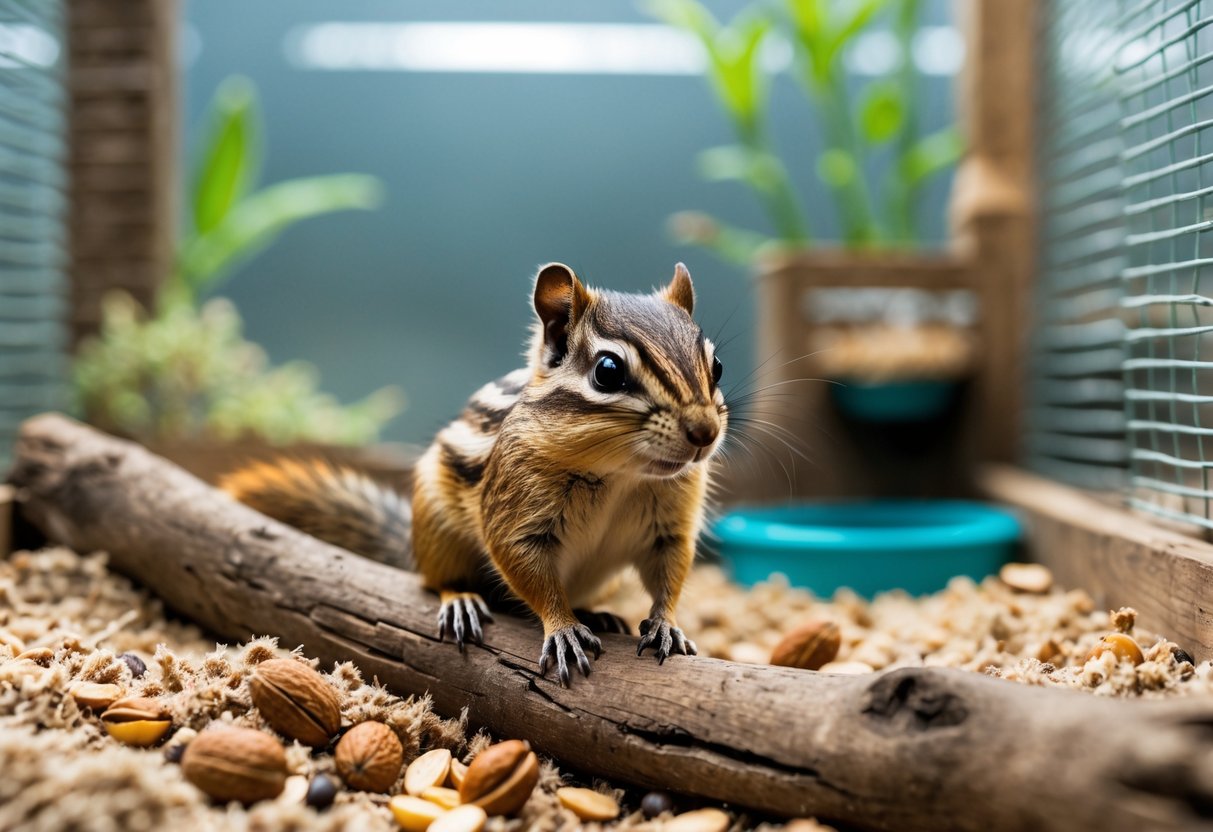
How long your chipmunk lives really depends on its species and the care you give. Their diet and living space matter a lot.
If you learn what impacts their health, you’ll help your pet stay happy and lively for a long time. It’s amazing how much difference a little effort can make.
Lifespan of Chipmunks in Captivity

Chipmunks get to live longer in captivity because you feed them regularly, keep them away from predators, and look after their health. Their lifespan depends a lot on the species and the environment you create.
If you pay attention to what affects their health, you’ll probably see your chipmunk live longer than you expected.
Average Lifespan Compared to Wild Chipmunks
Wild chipmunks don’t have it easy—they usually make it only 2 to 3 years out there. Predators, disease, and harsh weather take a toll.
But indoors, chipmunks can surprise you. They often reach 6 to 10 years, and some have even made it to 11.
Safety, shelter, and a steady food supply really boost their chances. If you give them proper care, they’ll thrive in ways wild chipmunks just can’t.
Key Factors That Influence Lifespan
A few things really shape how long a chipmunk lives in captivity.
Diet comes first. Feed your chipmunk a balanced mix of nuts, seeds, and fresh food to keep it in good shape.
You also need to watch out for diseases. If you don’t check on their health, they can get infections or dental problems.
Stress is another big one. A calm, roomy, and safe space keeps their stress down and helps them live longer.
Genetics matter, too. Some chipmunks just have better luck with longevity because of their breed or background.
Differences Among Chipmunk Species
Not every chipmunk species lives the same amount of time, even as pets.
- Eastern Chipmunks can reach about 8 years in captivity, but only about 3 years in the wild.
- Siberian Chipmunks sometimes live 6 to 10 years, and a few go past 10 with the right care.
- Townsend’s Chipmunks often make it 9 to 10 years when kept as pets.
Knowing your chipmunk’s species helps you figure out what to expect and how to care for them.
Typical Age Range for Pet Chipmunks
If you’re caring for a chipmunk, you can usually expect it to live 6 to 10 years. That’s assuming you’re keeping up with health checks and daily care.
Most chipmunks grow up fast, reaching adulthood in just a few months. They’ll be with you for years if you keep their home clean, offer fresh food, and watch for signs of illness.
Sometimes, with great care, chipmunks reach the higher end of that age range. Want more details? Check out the chipmunk lifespan guide.
How to Maximize the Lifespan of Pet Chipmunks
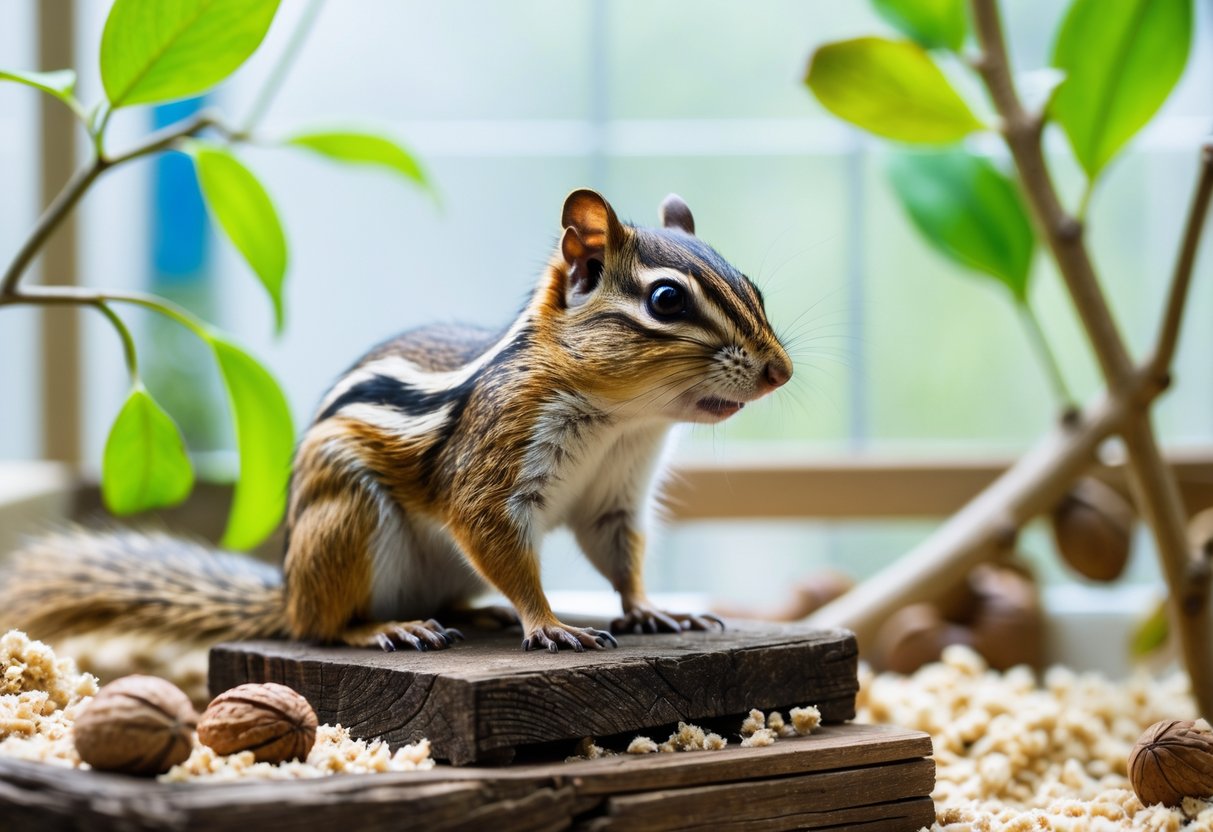
If you want your chipmunk to stick around, you’ve got to give it the right care. That means a balanced diet, a cozy living space, watching for health issues, and regular vet visits.
Proper Diet and Nutrition
Chipmunks do best when their diet matches what they’d eat in the wild. Offer seeds, nuts, fruits, and a bit of protein—maybe some insects or special chipmunk pellets.
Don’t just feed them one thing. Mixing it up keeps them healthy and avoids nutrition gaps.
Always have fresh water available.
Skip chocolate, caffeine, and anything sugary or salty. Those can really hurt your chipmunk.
Use a clean dish for their food, and swap out leftovers every day so nothing goes moldy.
Enclosure Requirements and Environmental Enrichment
Your chipmunk needs a cage big enough to run and climb. Go for at least 24×24 inches, and make sure there’s vertical space.
Add tunnels, branches, and hideouts to make things interesting, kind of like their natural burrows.
For bedding, stick to wood shavings or paper-based stuff—never cedar, since that can mess with their breathing.
Give them things to chew on, so their teeth don’t get too long.
Switch up toys and rearrange things sometimes to keep your chipmunk curious and active.
Keep the cage in a quiet spot, away from direct sunlight and drafts.
Common Health Issues in Captivity
Pay attention to your chipmunk’s health. If you see weight loss, dull fur, or weird behavior, something’s probably wrong.
Respiratory infections, dental problems, and mites pop up pretty often.
Chipmunks get stressed easily, which can make them sick. Handle them gently and keep the noise down.
Check their teeth so they don’t get too long.
If you notice sneezing, coughing, or any discharge around the eyes or nose, take them to the vet.
A clean home goes a long way toward keeping them healthy.
Importance of Regular Veterinary Care
Look for a vet who actually understands small rodents or exotic pets. Not every vet has experience with chipmunks, so it’s worth asking around.
Book check-ups at least once a year. These visits help you catch problems before they get serious.
Most chipmunks don’t need vaccines, but your vet can talk with you about parasite control and what’s best for your pet.
If your chipmunk acts sick or just seems off, take it to the vet as soon as you can.
Trim your chipmunk’s nails regularly, and let the vet check its teeth. Staying on top of this stuff can save you a lot of trouble down the road.
A good vet can help you keep your chipmunk healthy and maybe even extend its life.
For more on chipmunk care, check out chipmunk behavior and health.


