
Ever wondered just how smart chimpanzees actually are? You’re definitely not the only one. These animals share a surprising amount with us, including some pretty clever problem-solving skills.
Most experts say their average IQ lands somewhere between 40 and 60, which lines up with the intelligence of a 3 to 4-year-old child.

That number gives you a rough idea of how they approach problems and interact with the world. Chimpanzees use tools, communicate in ways that are more complex than you might expect, and their behavior really shows off their mental strengths.
Learning about chimpanzee IQ helps you see where they fit in the animal kingdom and how they compare to us. It’s honestly kind of amazing to notice just how close their minds can get to ours sometimes.
Chimpanzee IQ: How Is It Measured?
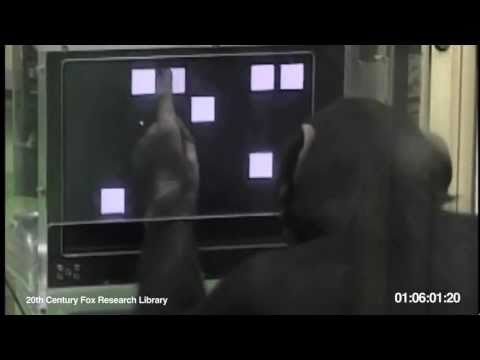
Chimpanzee intelligence doesn’t really match up with how we measure human IQ, so researchers use different tools. Instead of giving them regular tests, scientists watch how they solve problems, use tools, and interact with each other.
This way, researchers get a better sense of what’s actually going on in a chimp’s head.
Typical IQ Range of Chimpanzees
Most experts put chimpanzee IQ somewhere between 35 and 60. That’s about what you’d expect from a young child, maybe three or four years old.
Some researchers have found that certain chimps can hit scores as high as 90, but only on specific tasks.
You won’t catch chimps doing math worksheets or spelling bees. Their IQ gets measured by how well they use tools, remember things, and handle new situations.
Creativity and social smarts matter a lot for them too.
Limitations of Human IQ Tests for Chimpanzees
Human IQ tests rely on language, numbers, and abstract ideas—stuff chimps just don’t use in their daily lives. If you tried giving a chimp a standard IQ test, the results wouldn’t mean much.
Researchers usually watch how chimps solve real-life problems in the wild. They look for things like tool fishing, cracking nuts, and picking up new skills from others.
This approach works better because it actually fits how chimps think, instead of forcing them into a human-made box.
So, when you see IQ numbers for chimps, remember—they’re just rough estimates.
Complex Intelligence in Chimpanzees

Chimpanzees really show off their smarts in lots of ways. They figure out puzzles, invent new uses for tools, and have strong social skills.
Not every chimp thinks the same way, though. Where they grow up and who they hang out with makes a difference.
Problem-Solving Skills and Tool Use
When chimpanzees want to reach food or build something, they get creative. You might spot one stacking boxes or poking at insects with a stick.
They remember what tricks worked before and try those again if they need to.
Chimps don’t just grab random objects—they sometimes shape or change tools to get the job done. For example, one might sharpen a stick to dig out termites from a mound.
That’s real planning and creativity at work.
Different chimp groups even use different methods. They pick up tricks from each other, which shows they’re learning—not just following instincts.
Communication Abilities and Social Intelligence
Chimpanzees use sounds, gestures, and facial expressions to talk to each other. You might see one warning the group about danger or calling over a friend.
Social smarts matter a lot for chimps. They know how to share food, comfort each other, and stick to group rules.
They can tell when a friend is upset or happy, so their communication is much more than random noise. This social awareness helps them build friendships and work together when it counts.
Variability in Cognitive Skills
Not every chimpanzee has the same mental abilities. Where they live, what kind of environment they grow up in, and their social life all play a role in how smart they become.
Chimpanzees living in richer, more stimulating places often figure out problems and use tools better. Some famous chimps have shown off pretty impressive memory or social skills.
Their intelligence shifts depending on the challenges they run into and what they pick up from others. So, it makes more sense to see chimpanzee intelligence as a spectrum, not a set number.
You can check out more about chimpanzee problem-solving and tool use at Chimpanzee Intelligence Facts.


