
When chimpanzees get angry, they don’t just sit around quietly—they make it obvious. You’ll see them standing tall, waving their arms, tossing things, and making a ton of noise to show frustration or warn others. Their hair stands up, and their faces twist into fierce, wild expressions that basically scream, “Don’t mess with me.”

It’s kind of surprising, but chimp anger isn’t random at all. They usually get mad when they feel threatened, treated unfairly, or if someone swipes their food.
Sometimes, chimps even go out of their way to get back at whoever wronged them. So, it’s more like “getting even” than just lashing out for no reason.
Watching a chimp freak out is honestly fascinating—it’s a weird reminder of how close their emotions are to ours.
If you’re curious about what happens when a chimp loses its cool, there’s a lot more to dig into below.
Typical Angry Behaviors in Chimpanzees
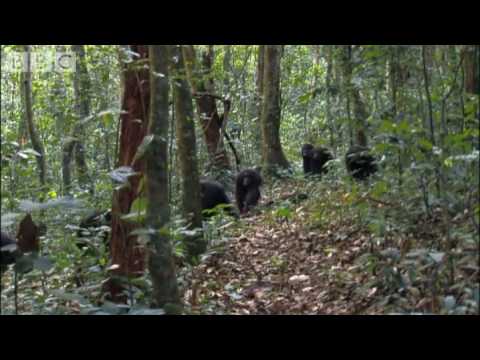
When chimps get angry, you can actually see it. They use their bodies and voices, and sometimes they act out in ways you can’t miss.
All these behaviors warn others or help them handle conflicts.
Physical Displays of Anger
You might spot a chimp standing up tall, trying to look bigger and more intimidating. Sometimes they swagger around or wave their arms, just to show they’re upset.
Their hair stands on end—bristling—when they feel super angry or threatened.
Chimps also chuck sticks or rocks to scare others off. Their faces say a lot too: scowling, showing their teeth, or making wild, fierce faces that let everyone know they’re angry.
Usually, these moves happen before things get physical.
Vocalizations and Sounds
Chimps get loud when they’re mad. You’ll hear screams, hoots, or sharp grunts when something’s got them riled up.
Their voices get louder and harsher, and that noise really cranks up the tension. It’s their way of saying, “Back off.”
Sometimes, they combine these sounds with wild faces and big gestures, just to make sure everyone gets the message.
Retaliatory and Punitive Actions
When chimps get angry—let’s say over food—they don’t just stew in silence. They take action.
You might see them yank ropes or knock things over to punish whoever messed with them.
They punish those who steal from or hurt them. This takes effort and can spark fights, but it keeps order in their group.
If someone acts unfair or aggressive, chimps show they’re not just going to let it slide. If you want to go deeper, there’s a lot of research out there on chimp aggression and retaliation.
Recognizing Signs of Anger in Chimpanzees

When chimps get mad, they make it pretty clear. You’ll notice changes in their faces and bodies.
Their anger usually gets triggered by threats or fights with others.
Facial Expressions
Chimps use their faces to show anger in a way that’s hard to miss. You might spot tight lips or a deep scowl.
Their hair stands up, making their faces look bigger and more intimidating.
They bare their teeth in a way that’s nothing like a smile—more like a warning. That scowl is their way of telling others to back off.
Sometimes, they scream for extra effect.
It’s worth noting, though, that a “grimace” can actually mean fear or submission, so you’ll want to look for other clues, too.
Learning to read these expressions helps you figure out when a chimp’s upset—without getting too close.
Body Language Indicators
Body language gives away a lot about a chimp’s mood. When they’re angry, you’ll see them stand upright and swagger around.
They might wave their arms or throw sticks and rocks.
Their hair bristles, making them look even bigger and more threatening.
Chimps also slap their hands or stomp their feet, making loud noises to warn or scare others.
Usually, they do these things to avoid a real fight by showing off their strength.
If you catch these signs, it’s probably smart to keep your distance.
Triggers of Aggression
Chimpanzee anger usually comes from pretty specific causes. Threats to their safety or their place in the group often set them off.
Conflicts over food, mates, or social rank can spark aggression. If a chimp feels insulted or disrespected, it might lash out.
Sometimes, when they get treated unfairly or someone harms them, chimps punish others. Still, they don’t really hold grudges like humans do—they care more about fairness than revenge.
It’s interesting to see how these triggers shape their behavior. If you want to dig deeper, check out more on chimpanzee aggression behaviors and how they handle their social order.


