
Ever wondered if you could actually befriend a chimpanzee? Honestly, yes—you can, but only if you’re careful and respect the fact that chimps are wild animals with their own ways. They might bond with humans, but those relationships only work if you let chimps be chimps and give them space.
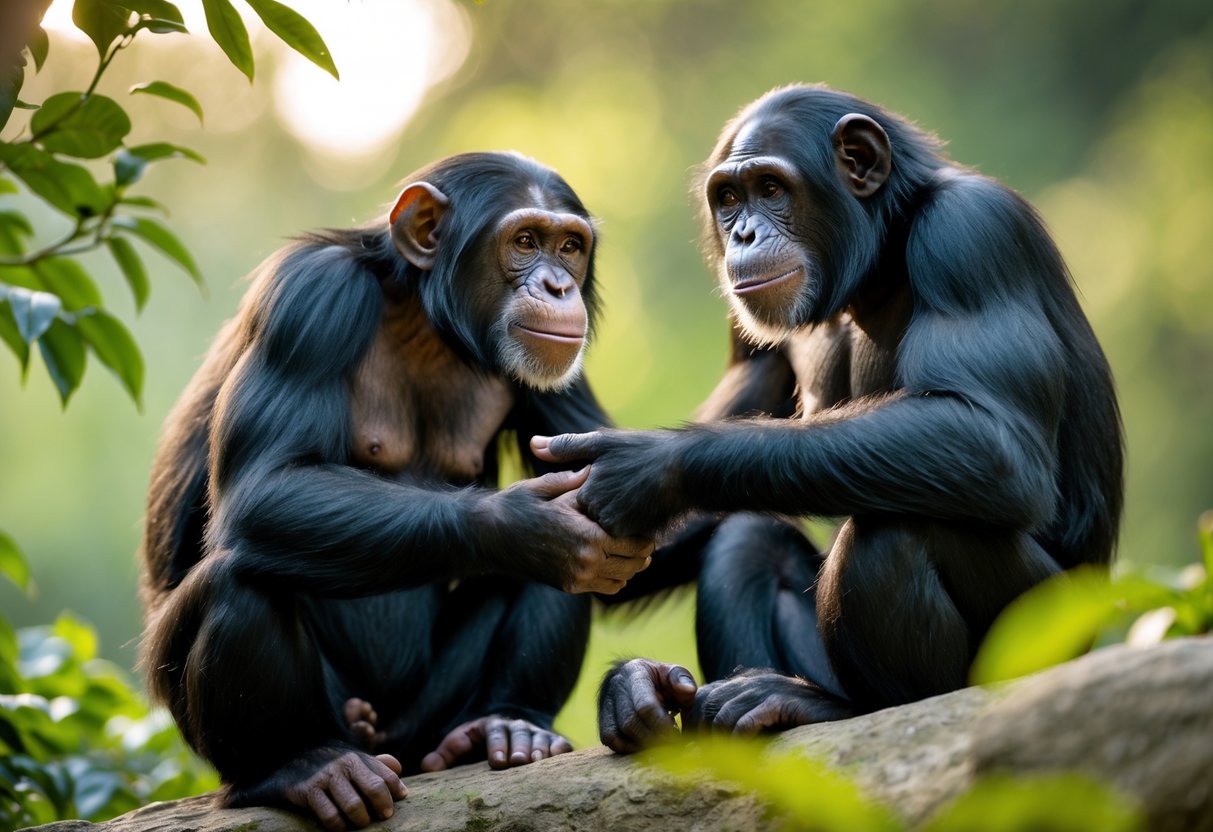
Chimpanzees share a ton of DNA with us, which probably explains why their social quirks sometimes feel so familiar. They’re clever and love hanging out with others, so friendly moments do happen.
If you’re curious about how these relationships actually develop and what’s realistic, stick around. Friendship with a chimp isn’t at all like having a pet.
Can You Befriend a Chimpanzee?

You can build a connection with a chimpanzee, but you’ll run into plenty of challenges. You need to understand their social world and respect their instincts.
Every interaction feels different, and it depends a lot on whether the chimp lives in the wild, in captivity, or under the watchful eye of researchers.
Chimpanzee Social Behavior and Intelligence
Chimps are sharp and super social. They talk to each other with sounds, faces, and by grooming.
Grooming isn’t just about getting clean—it’s how chimps build trust and make friends.
They live in groups with a strict pecking order. Usually, the dominant males lead, but they stay on top by forming alliances and friendships.
This social ladder really shapes how a chimp reacts to you.
They remember faces and past run-ins. That memory can decide if they let you in or keep their distance.
Risks of Human-Chimpanzee Relationships
Even if a chimp seems chill, it’s still a wild animal. Chimps act on strong instincts to keep themselves and their group safe.
If they feel threatened or boxed in, they can react with sudden aggression.
Jumping into friendship without knowing what you’re doing can stress both you and the chimp. Sometimes what looks playful to us can annoy or upset a chimp.
Chimps need to hang out with other chimps to stay healthy. Keeping them as pets or isolating them just isn’t safe or fair.
Role of Primatologists and Animal Welfare
Primatologists dive deep into chimp behavior, social needs, and health. They use what they learn to help chimps in the wild and in captivity.
Groups like the Animal Welfare Institute work hard to make sure primates get treated right. They push for safe spaces where chimps can live naturally and limit risky human contact.
If you want to meet chimps, learning from primatologists is the way to go. It helps you respect their boundaries and actually supports their survival.
Unique Experiences with Captive Chimpanzees
Captive chimps live in zoos or sanctuaries where people control their environment. These places keep chimps safe and cared for, but they also shape how chimps act.
When you meet chimps in these settings, you’ll notice they might be more used to people. Still, they stick to their own social codes.
Staff encourage healthy interactions by offering enrichment—think toys, puzzles, or new foods.
Sometimes, you’ll see chimps being friendly, maybe grooming or playing. But even in captivity, they can surprise you, so it’s smart to follow the caretakers’ rules.
Watching these interactions gives you a real appreciation for how smart and social chimps are, and why their welfare matters.
For a deeper dive into how chimps make friends, check out chimpanzee friendships and social dynamics.
Human Interaction with Chimpanzees in Captivity

When chimps end up living with people, how they’re cared for and where they live changes how they act. A lot of captive chimps have wild backstories, especially those rescued from show business or living in zoos.
Laws and ethics shape how humans treat and protect these animals.
Life of Ex-Entertainment Chimpanzees
Chimps from the entertainment world usually face a tough road after the spotlight fades. Some spent years in movies or on TV, but their early training wasn’t always gentle.
When their careers end, they need special help to adjust to something closer to a normal chimp life.
Because they’re so social, chimps need company and things to do. Sanctuaries step in to offer both, helping them heal from stressful pasts.
But honestly, most of these chimps can’t go back to the wild—they’ve just become too dependent on humans.
If you’re interested, you can find stories about programs that help these ex-entertainment chimps settle in and recover.
Sanctuaries and Zoo Environments
Sanctuaries and zoos both play huge roles in chimp care. Places like the Chicago Zoo and Lincoln Park Zoo try to make exhibits feel as natural as possible.
You might spot hammocks or climbing gear that keep chimps active and curious.
Sanctuaries tend to focus on rehab more than putting chimps on display. They care about mental health, safety, and social groups, not just entertainment.
In sanctuaries, human contact stays limited and usually happens with trained caregivers who really know chimps.
Both zoos and sanctuaries work to give chimps a good life while also teaching visitors what these animals actually need.
Laws, Ethics, and the Endangered Species Act
Laws like the Endangered Species Act shape how you interact with captive chimpanzees. This law protects chimpanzee populations and sets rules for anyone who wants to keep or work with them.
It backs up conservation efforts and aims to stop people from exploiting these animals. Honestly, it’s a big deal for anyone who cares about wildlife.
On the ethical side, you’ve got to remember: chimpanzees are smart, strong, and honestly deserve real respect. Keeping a pet chimp? Not only is it discouraged, but it’s usually illegal.
Programs like Chimp Crazy try to show why proper care matters and just how risky and problematic illegal ownership can get.
When you understand these rules, you start to see why strong protections matter. Chimpanzees get a better shot at safety and well-being, whether they’re in a zoo, a sanctuary, or even in a research setting.


