
Ever wondered just how smart a chimpanzee actually is? The answer might catch you off guard.
Chimpanzees are incredibly intelligent animals, with mental skills that remind me of a young child’s. They solve problems, use tools, remember things that happened before, and even realize that other chimps might see the world differently than they do.

Chimps don’t just run on autopilot. They plan ahead, communicate with gestures and sounds, and pick up new tricks by watching each other.
Their knack for using tools and passing knowledge down the line really shows how clever and flexible they are.
Let’s take a closer look at how their smarts play out both in the wild and when scientists study them up close.
Core Aspects of Chimpanzee Intelligence
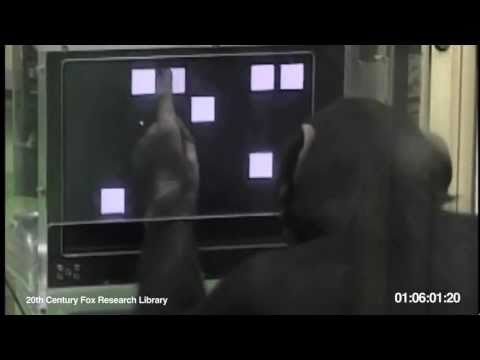
Chimps show off their cleverness in a bunch of ways. You’ll notice it when they solve problems, use tools, and stack up against other great apes.
Cognitive Skills and Problem Solving
Chimpanzees figure out tricky problems pretty fast. They watch what others do and remember those solutions for later.
This helps them find food or steer clear of danger.
They spot patterns and make choices based on what’s happened before. Chimps use this skill in social situations, too, like figuring out who’s friends with who or picking up on group emotions.
Their brainpower is impressive—definitely stronger than most animals—but not every chimp is the same.
This mental flexibility lets them try new things and shift their behavior when they need to, whether they’re in the wild or living with people.
Tool Use and Material Selection
Chimps have a reputation for tool use. You might see one grab a stick or a stone to fish out insects or crack open nuts.
They’ll even use leafy sponges to soak up a drink of water.
They don’t just pick up any old thing, either. Chimps choose the right tool for the job.
For example:
- Sticks to fish for termites
- Rocks as hammers or anvils
- Leaves to wipe themselves
Young chimps pick up these skills by copying the older ones. That means tool use gets passed down, kind of like a family tradition.
Comparison With Other Great Apes
Chimps share some smart moves with other great apes but also have their own strengths.
Orangutans use tools too, but not as often. Chimps tend to solve social and physical problems faster and come up with more creative ways to use tools.
Researchers have found that both genetics and life experience shape a chimp’s intelligence. This mix helps them handle new challenges and makes them stand out among apes.
If you’re curious, you can dig deeper into their clever behavior and how they stack up to others by checking out this detailed article on chimpanzee intelligence.
Communication, Learning, and Social Interactions

Chimps have a bunch of ways to communicate—sounds, gestures, even facial expressions. Their knack for learning from each other helps them solve problems and build strong social ties.
These skills shape how they live and work together every day.
Social Learning in Chimpanzee Communities
Chimps pick up a lot just by watching those around them. Young chimps spend years figuring out who’s safe and who’s not.
This helps them fit in with the group.
Social learning means chimps copy actions that work, like using tools or finding good food. Over time, this knowledge spreads to others.
It’s a big part of their culture and helps them get by.
Chimps also use gestures and looks to share feelings, kind of like how kids on a playground figure each other out. This social smarts is a huge part of what makes chimps so interesting.
Sign Language and Symbolic Communication
You might not expect it, but some chimps actually learn sign language. Chimps raised with humans can use signs to ask for things or share how they feel.
They don’t use language the way people do, but they understand symbols and simple commands. That’s pretty impressive for an animal.
Chimps also rely on their own natural gestures and sounds—warning calls, friendly signals, stuff like that.
Learning signs or symbols just adds another layer to how they connect with humans and each other.
Complex Social Behaviors
Chimpanzees live in groups with their own social rules. You’ll see them cooperate when they hunt or defend their territory.
They trade food or tools, which really shows they get the idea of give-and-take. Sometimes, they even pull off clever tricks to grab food or climb the social ladder.
Friendships mean a lot to chimps. They comfort each other when things get tough.
Chimps remember their social bonds for years, which is honestly pretty impressive. If you’re curious about how they pull all this off, check out the Wildlife Research Center in Kyoto.


