
Ever wondered if chimpanzees are actually as smart as people claim? Well, they really are—these animals show a surprising amount of intelligence.
They solve problems, use tools in clever ways, and even communicate with sounds and gestures. You can tell they understand a lot about their world.

Chimpanzees pick up skills by watching others. They use all sorts of tools to find food or keep themselves safe.
People often compare their intelligence to that of a young child. Chimps can think through tasks and remember what they learn.
When you watch them at work, you quickly realize they’re doing much more than just acting on instinct.
Curious about how chimpanzee smarts stack up against humans, or what skills they actually have? Stick around.
Let’s look at how these incredible animals think, communicate, and even pass down culture.
Core Aspects of Chimpanzee Intelligence
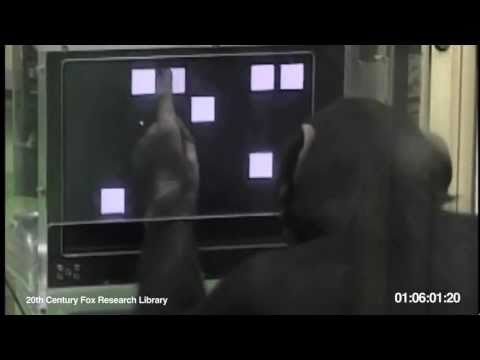
Chimpanzees show intelligence in all sorts of ways. Their skills develop from both their genes and their experiences.
You can spot this in how they use tools, solve problems, and interact with others.
Looking at other great apes, you’ll notice chimps have some unique qualities.
Genetic and Environmental Influences on Intelligence
Chimpanzees inherit some smarts from their genes. Their DNA connects them closely to humans, so they share a lot of cognitive abilities.
But their environment shapes how far their intelligence goes. Chimps raised in lively, challenging places usually do better on tricky tasks.
When chimps get to play with puzzles and learn from others, their problem-solving skills really take off.
You’ll notice a chimp’s intelligence grows when they have access to challenges and social groups.
Nature and nurture both play a part—sometimes in ways that are hard to untangle.
Tool Use and Problem Solving Skills
Chimpanzees have become famous for using tools. You might catch them crafting sticks to fish for termites or using leaves as sponges to drink water.
That’s not just random behavior—they plan ahead and think things through.
Their problem-solving skills are honestly impressive. Some chimps figure out multi-step tasks, like cracking nuts with stones or using a sequence of tools.
A few seem extra persistent and curious, which helps them succeed.
Chimps don’t just rely on instinct for this stuff. Young ones watch adults and pick up these skills.
It’s a clever mix of observation, trial, and error.
Social Cognition Among Chimpanzees
Chimpanzees recognize feelings in others and read facial expressions, gestures, and sounds.
This social intelligence helps them work together and build relationships.
You’ll see them teaming up for hunts or defending their territory. They use pretty complex strategies.
They know who their friends and rivals are. Chimps adjust their actions based on what’s going on around them.
They also learn from each other and pass down knowledge, making their groups smarter as time goes on.
That’s a huge part of how they survive and get by every day.
Comparison With Orangutans and Other Great Apes
Compared to orangutans, chimpanzees stand out for their social smarts. Orangutans mostly keep to themselves and use tools for solo tasks.
Chimps, on the other hand, depend a lot on teamwork and learning from others.
Both use tools, but chimps get creative and flexible about it. You’ll often see them solving problems together, while orangutans usually focus on figuring things out alone.
Seeing these differences really opens your eyes to what makes each species unique.
Chimpanzees show how living in groups can boost mental skills way beyond just tool use.
You can dig deeper into this at How Intelligent Are Chimpanzees? Unveiling Their Remarkable Abilities.
Communication and Learning in Chimpanzees

Chimpanzees really shine when it comes to sharing information and picking up new tricks. They use all sorts of ways to communicate and learn from each other.
This helps them solve problems and live together with fewer hiccups.
Sign Language and Symbolic Communication
While chimpanzees don’t naturally use our language, some have learned basic sign language.
This lets them share simple ideas—like what they want or how they feel.
But their understanding of signs sticks to specific gestures tied to objects or actions.
It’s pretty interesting that chimps can recognize symbols and use them to get their point across.
That shows off their social cognition—they get what others want and respond.
Still, their use of symbols never quite reaches the complexity of human language.
Social Learning and Teaching Behaviors
Chimpanzees pick up a lot just by watching and copying each other. You’ll often spot them using sticks to fish out ants—a trick they usually learn by imitation.
Sometimes, older chimps actually show the younger ones how things work. Still, their “teaching” doesn’t really match the direct way humans teach.
Social learning shapes how knowledge moves through chimp groups. It helps them survive and roll with changes in their environment.
Honestly, their knack for learning from each other says a lot about how clever they are when it comes to reading and reacting to their social world.
If you want to dig deeper into how chimps learn and interact, check out research on chimpanzee communication and social behavior.


