
So, do chimpanzees get aggressive? Yeah, they definitely can. Chimps show violence sometimes, but honestly, it’s not constant. Aggression is just one part of chimpanzee behavior, and it doesn’t take up much of their day.

You might find it surprising, but chimps usually hang out in groups where they groom, play, and share food without much trouble. Still, when food or territory is on the line, they can get aggressive, sometimes teaming up to attack others.
If you look closely, you’ll notice their aggression isn’t just random—it’s tied to survival and how they organize their society.
Watching chimps can reveal a lot about the roots of aggression, even in people. Their violent moments come from their own nature, not just from humans interfering with their world.
If you’re curious about why chimps act this way and what it means, let’s dig in.
How and Why Chimpanzees Exhibit Aggression

Chimpanzees display all sorts of aggressive behaviors to handle life in the wild. Family ties, territory, and social needs drive these actions.
You’ll spot aggression inside their groups and between different chimp communities. It’s also interesting to see how their behavior stacks up against other apes like bonobos and gorillas.
Types of Aggressive Behavior in Chimps
Chimps use aggression in several ways. Sometimes, it’s just loud displays, big gestures, or vocal threats.
Other times, things get physical—hitting, biting, or charging at each other.
Here are a few common types you might notice:
- Threat displays: Chest beating, screaming, and striking dramatic poses to warn others.
- Physical attacks: Fights might be as simple as pushing or as serious as real injuries.
- Dominance fights: Males often battle to climb up the social ladder or hold onto their spot.
- Territorial defense: Chimps will fiercely guard the places they live.
These behaviors help organize chimp society and protect things like food or mates. Male chimps usually get physical more often, while females often act aggressive when they’re protecting their babies.
Triggers and Motivations Behind Aggression
Clear reasons push chimps to act out. You’ll see aggression when their territory is under threat, when they’re competing for mates, or when they’re trying to keep or boost their social rank.
Some common triggers:
- Territorial disputes: Chimps want to keep control over their home range.
- Mating competition: Males might fight for the chance to mate.
- Social status: High rank means better food and more chances to mate.
- Protection: Mothers get aggressive to keep their babies safe.
Chimps don’t just lash out for no reason. Their aggression follows certain patterns, shaped by instincts and the rules of their group.
Aggression Between Chimpanzee Groups
Wild chimp groups, or communities, sometimes go to war with each other. These fights can get pretty intense and even deadly.
You’ll see:
- Males teaming up to defend or grab new territory.
- Coalitions forming to boost their odds of winning.
- Long-running rivalries with neighboring groups.
This kind of aggression helps chimps hold onto the resources they need. It’s a bit different from fights inside the group—more coordinated, more strategic.
Comparison With Bonobos and Other Apes
Bonobos, in contrast, have a reputation for being peaceful and cooperative. Both species are close relatives, but their social lives—and how they show aggression—differ a lot.
Here’s a quick look:
| Species | Aggression Level | Social Structure | Common Aggressive Motives |
|---|---|---|---|
| Chimpanzees | High, especially in males | Male-dominated, dominance | Territory, mates, status |
| Bonobos | Lower, less physical | Female-led, more peaceful | More use of sex for conflict resolution |
| Gorillas | Moderate, protective | Male-led groups | Protecting family, low conflict among groups |
These differences show how environment and social rules shape aggression in primates—and maybe even in us.
Chimpanzee Aggression Towards Humans and Social Impacts
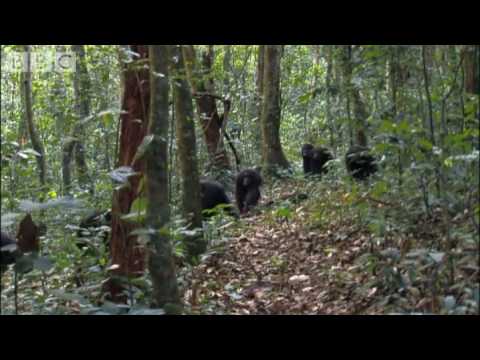
Chimps sometimes get aggressive toward humans. This happens in the wild and in captivity.
The causes and outcomes of these encounters depend on the situation, but they usually involve social tension or people getting too close.
Let’s look at attacks in the wild, behavior in captivity, some well-known incidents in Uganda, and what researchers like the Jane Goodall Institute have learned.
Attacks on Humans in the Wild
Wild chimps occasionally attack people, especially if they feel threatened or surprised. These attacks often happen when someone wanders into chimp territory or gets too close to a mother and her baby.
Chimps that are used to humans—habituated chimps—might act bolder and more aggressive if they don’t get what they expect, like food.
Most of the time, attacks are rare but can turn serious. Chimps might hit, bite, or chase people during these run-ins.
If you’re ever near wild chimps, it’s smart to keep your distance and respect their space. Their aggression usually reflects their social rules and stress from competition or habitat loss, not just random violence.
Aggression in Captivity
Chimps in captivity sometimes get aggressive because of overcrowding, boredom, or frustration. If they’re in groups that don’t match natural social structures, you might see more fighting or dominance struggles.
Captive chimps may attack each other or even people who work with them. Chimps that are used to close human contact can also lash out if their needs go unmet.
Caregivers need to understand chimps’ social needs to help prevent violence. Giving them enough space, enrichment, and social groups similar to the wild can really help lower aggression.
Notable Incidents in Uganda
Uganda has a lot of wild chimps, and there have been a few attacks on humans. Some conflicts involve locals or researchers who get too close to chimp territory.
In certain cases, these attacks have caused serious injuries, especially where chimp groups are dense or food is hard to find. Parks like Kibale National Park work hard to teach visitors how to stay safe and avoid trouble.
These incidents really highlight the need for careful management of how humans and chimps interact. It’s all about keeping both sides safe.
Role of the Jane Goodall Institute in Understanding Aggression
The Jane Goodall Institute has really shaped how we see and understand chimpanzee aggression. Over many years, their researchers have watched chimps and noticed that aggression just comes with the territory—it’s part of how chimps figure out social order and, honestly, just survive.
They also focus on teaching people better ways to interact with chimps, whether in the wild or in captivity. By doing this, the institute hopes to encourage more peaceful relationships and keep both chimps and humans out of trouble.
If you’re curious, you can always dig deeper into chimp behavior and aggression through the Jane Goodall Institute’s research and educational programs.


