
Ever wondered if chimpanzees can hurt people? The answer’s yes, they definitely can.
Chimpanzees are much stronger than humans and have sharp teeth, so their bites and attacks can cause serious injuries. They can go from playful to aggressive in a flash, especially if something makes them feel threatened.

Even though chimpanzees might look friendly, don’t forget—they’re wild and powerful. If you get in their space or bother them, they’ll probably react to protect themselves.
Understanding how chimps behave is key if you want to stay safe around them.
If you’re curious about why chimpanzees attack or how to avoid trouble, stick around. It’s worth knowing how to respect these amazing apes and keep yourself out of danger.
How Chimpanzees Can Hurt People
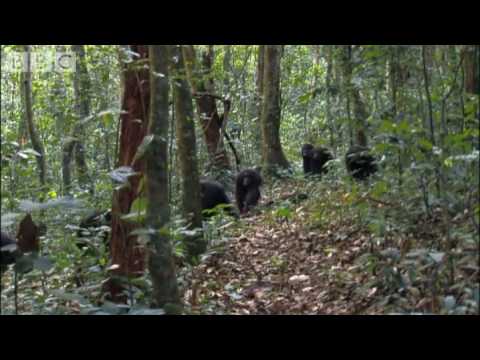
Chimpanzees have the kind of strength and unpredictable behavior that can really hurt someone who gets too close. If you know how and why they might attack, you’ll have a better shot at staying safe.
Physical Strength and Injury Potential
Chimpanzees are a lot stronger than most people—about 1.35 to 1.5 times stronger, pound for pound. Their dense muscles, sharp teeth, and powerful jaws let them cause severe injuries.
They can bite hard enough to break bones and tear flesh. That’s not something you want to mess with.
They’re also fast and really agile. Even a quick, playful grab from a chimp can turn dangerous before you realize it.
Because of their strength and speed, you can’t easily defend yourself if you get caught off guard.
Documented Incidents of Attacks
Some chimpanzees have seriously hurt or even killed people. One infamous case involved a chimp named Travis who mauled a woman.
Attacks like this have happened in sanctuaries and research centers, too.
Usually, these incidents happen when people get too close or act unpredictably around chimps. Even in places where people care for them, accidents happen if the animals feel threatened or frustrated.
Reasons for Aggression Toward Humans
Chimps usually attack to defend their territory or protect food. If humans invade their space, the chimps might feel scared or threatened.
Sometimes, male chimps fight to keep their dominance, and humans caught in the middle can get hurt.
Chimps that get used to people feeding them may act out if they don’t get what they want. Habitat loss and competition for resources also make things worse.
Knowing what sets chimps off helps you avoid the kind of actions that make them aggressive.
For more details on how chimpanzees can hurt humans, check out the reality behind the primate’s power.
Human-Chimpanzee Interactions and Prevention

When you interact with chimpanzees, certain things can make aggression more likely. The way you handle food, tourist visits, and even conservation efforts can all affect your safety and the chimps’ well-being.
Role of Human Food in Aggressive Behavior
Feeding chimpanzees or letting them get at your food creates big problems. Once chimps expect food from people, they’ll look for it every time they see someone.
This habit—called habituation—can spark aggression if they don’t get what they want.
Human food isn’t healthy for chimps and messes with their natural diet. It can also make chimps compete with each other, especially where food is scarce.
Never feed wild chimpanzees or leave food where they can reach it. Keeping your distance and not feeding them helps avoid trouble and keeps everyone safer.
Tourist Encounters and Over-Habituation
Tourists visiting chimpanzee habitats can accidentally make chimps bolder. If people get too close or try to touch them, chimps get stressed and their behavior changes—sometimes in aggressive ways.
Millions of tourists visit places where chimps live, so close contact happens more often. When chimps lose their natural fear of humans, things can get risky.
Chimps may start demanding food or defending themselves if they feel threatened.
To stay safe, follow the rules: keep your distance, don’t touch, and never feed chimpanzees. Respecting these guidelines protects both you and the chimps.
Impact of Conservation Efforts on Human Safety
Conservation really shapes how often people run into risky situations with chimpanzees. Groups like the International Union for Conservation of Nature step in and protect chimpanzee habitats, so chimps aren’t as likely to wander into human areas looking for food.
When chimpanzees have healthy habitats, they get enough space and resources. That makes them less likely to fight or act aggressively.
Conservation efforts often include education programs. These programs show local communities and tourists how to act safely around chimpanzees.
If you support conservation, you’re actually making things safer for both people and chimpanzees. Protecting habitats not only cuts down on conflicts but also helps chimpanzees survive in the wild.
Curious about how people affect chimpanzees? Check out this article on human-chimpanzee interactions.


