
If you’ve ever been stung by a bee, you know just how painful and annoying it can get. The quickest way to deal with a bee sting? Pull the stinger out fast, slap on some ice to cut down swelling, and reach for over-the-counter stuff to calm the pain and itch.
That’s usually enough to take the edge off and help you heal up quicker.

You might wonder if home remedies actually do anything. Some natural fixes, like baking soda or aloe vera, really can soothe the sting and take down the redness.
If you know what to do right away, you’ll make things a lot better—especially if allergies are a concern for you or anyone around.
Acting fast keeps the sting from getting worse. Learning a few tricks helps you bounce back faster and makes you feel a bit more prepared for next time.
For more tips, you can always check out trusted advice from places like Healthline or Verywell Health.
Fastest Ways to Cure a Bee Sting

If you want to treat a bee sting fast, you’ll need to stop the pain, keep swelling down, and avoid infection. Act right away—pull out the stinger and calm your skin with the right medicine or a home remedy.
These steps can make the itching and swelling fade within just a few hours.
Immediate Bee Sting First Aid Steps
Start by removing the bee’s stinger as soon as you can. Use something like a credit card to gently scrape it out.
Don’t squeeze the stinger, since that pushes more venom in.
Wash the area with soap and water to cut down infection risk. Grab a cold pack or wrap some ice in a cloth and press it on the sting.
Keep the ice there for about 10 to 15 minutes, but take breaks so you don’t hurt your skin.
If you feel dizzy, have trouble breathing, or see swelling moving beyond the sting, get medical help right away. Those could be signs of an allergic reaction.
Medications and Topical Treatments
You can take over-the-counter painkillers like ibuprofen or acetaminophen to help with pain and swelling. Just follow the instructions on the label.
For itching or swelling, dab on some calamine lotion or hydrocortisone cream. These work pretty fast to calm your skin and reduce redness.
Apply them two or three times a day, and you’ll probably notice a difference.
If the swelling or pain sticks around for more than a few days, or if you spot pus or more redness, it’s time to see a doctor.
Natural and Home Remedies
Plenty of home remedies can help with bee sting symptoms. Aloe vera gel feels cool and actually helps your skin heal.
Witch hazel is another option—dab a bit on to calm the area.
Some people swear by essential oils like tea tree or lavender. If you use them, dilute a few drops in a carrier oil and gently apply it.
You can also mix baking soda with water to make a paste, then smear it on the sting. Leave it for 15 to 20 minutes before rinsing off.
Trying a mix of these home remedies can speed up healing and take the sting out—no need for a prescription most of the time.
Want to dive deeper? Here’s a guide on the fastest way to cure a bee sting.
Recognizing and Treating Severe Allergic Reactions
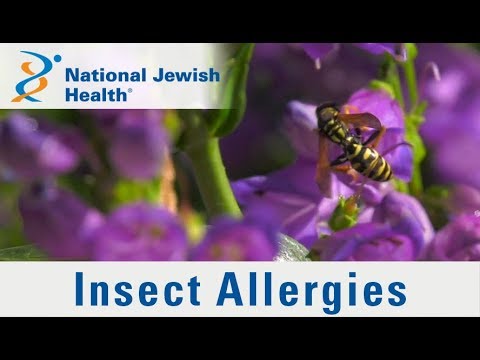
Severe allergic reactions from bee stings can get serious fast. If you know the signs and act quickly, you can save your own life or someone else’s.
Symptoms of Allergic Reactions and Anaphylaxis
If you’re allergic to a bee sting, your body can react in a bunch of different ways. Mild symptoms show up as itching, redness, or swelling where you got stung.
But if you spot any of these, you might be looking at anaphylaxis—a really dangerous allergic reaction:
- Hives all over your body
- Swelling of your face, lips, or throat
- Trouble breathing or shortness of breath
- Rapid heartbeat or feeling dizzy
- Nausea or vomiting
Anaphylaxis can kick in within minutes, or sometimes take up to 12 hours after the sting. Keep an eye out for these signs.
Emergency Treatment and EpiPen Use
If you notice signs of anaphylaxis, don’t wait around. Call 911 or your local emergency number right away.
Grab your epinephrine auto-injector (EpiPen) and use it as soon as symptoms start. Inject it into the outer thigh—no need to overthink it.
This shot helps open your airways and gets your blood flowing better. After using the EpiPen, sit down and do your best to stay calm.
Even if you start to feel okay, you still need emergency care. Doctors might need to give you more treatment to keep the reaction from coming back.
Carrying an EpiPen and actually knowing how to use it can honestly save your life if you’re allergic to bee stings. If you want to learn more about emergency treatment and epinephrine use, check out what the experts say.


