
Owls are fascinating creatures that capture our imagination, but distinguishing between different types can be tricky. If you’ve ever wondered about the differences between a general owl and a barn owl, you’re not alone.
The main difference lies in their appearance and habits: barn owls have a distinct heart-shaped face and prefer open spaces, while other owls, like barred owls, have round faces and thrive in dense forests.

Understanding these differences can enhance your appreciation for these birds and their unique roles in the ecosystem. Barn owls are known for their silent flight and excellent hunting skills, primarily targeting small mammals. If you’re curious about how to identify them in the wild or learn more about their behaviors, you’re in the right place.
Defining Owls and Their Species

Owls are fascinating birds that come in various species, each with unique features and behaviors. Understanding these differences can deepen your appreciation for these nocturnal creatures and their roles in nature.
Varieties of Owl Species
There are over 250 species of owls worldwide, divided into two main families: Strigidae (true owls) and Tytonidae (barn owls). Each family includes many distinctive species, like the barred owl (Strix varia), known for its hooting call, and the great horned owl (Bubo virginianus), which has prominent ear tufts and is a powerful hunter.
Other notable species include the spotted owl and the snowy owl, both recognized for their striking appearance. Each species features unique adaptations, like coloration, hunting habits, and habitat preferences. These adjustments help them thrive in diverse environments, from dense forests to open fields.
The Unique Place of Barn Owls
The barn owl (Tyto alba) stands out among owl species due to its distinct heart-shaped face and silent flight. Unlike true owls, barn owls are known for their excellent hearing, which helps them hunt effectively in complete darkness.
Their pale feathers blend into their surroundings, providing camouflage during the day. Barn owls predominantly hunt small mammals like mice and voles, making them essential for controlling rodent populations. With their unique characteristics, barn owls play a crucial role in the ecosystem while captivating birdwatchers and nature enthusiasts alike.
Physical Characteristics and Identification
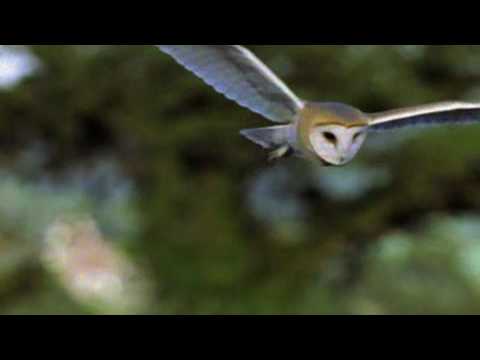
When it comes to identifying owls, understanding their physical traits is key. The differences between a typical owl and a barn owl can often be spotted through size, unique features, and distinctive coloration. Here’s a closer look.
Comparing Size and Appearance
Barn owls are generally smaller than many true owls. Adult barn owls typically measure about 12 to 16 inches in length. In contrast, true owls can vary widely in size, with some being larger and bulkier.
Barn owls have a wingspan that can reach 3 feet, which allows them to glide silently. You may also notice that barn owls have a more slender appearance and longer legs compared to other owls. Their rounded heads and compact bodies give them a graceful look as they navigate through the night skies.
Distinctive Features of Barn Owls
One of the most recognizable features of barn owls is their heart-shaped facial disc. This shape helps direct sound to their ears, enhancing their hearing. Their dark eyes contribute to their striking appearance, providing a noticeable contrast against their face.
The facial disc, along with their rounded heads, helps you easily identify them. While most true owls have a more rounded or flat face, the barn owl stands out with its unique heart shape. This distinct feature plays a significant role in their hunting abilities.
Plumage Patterns and Coloration
Barn owls have very distinct plumage compared to other owls. Their feathers are typically a mix of creamy white, brown, and gray. You may notice areas of light brown and dark brown markings across their wings and back.
The underparts are often pale, helping them blend into their surroundings. They have vertical bars on their chest that give them a unique look. In contrast, many true owls have more varied and complex patterns, often featuring spots and streaks.
Overall, the combination of these colors and patterns not only adds to their beauty but also aids in camouflage while they hunt at night.
Behavior, Diet, and Habitat

Owls and barn owls have distinct behaviors, diets, and habitat preferences that make them unique. Understanding these aspects helps you appreciate their roles in the ecosystem.
Nocturnal Habits and Hunting Techniques
Both owls and barn owls are primarily nocturnal, meaning they are active at night. Barn owls have excellent hearing, which helps them locate prey even in complete darkness. They often hunt small mammals, especially rodents, which make up a large part of their diet.
Their hunting style is stealthy. Barn owls fly silently due to special feather structures, allowing them to swoop down on their prey without being noticed. You might find them hunting in open fields or marshes, where they can easily spot their targets.
Nesting Behaviors and Breeding
Nesting behaviors differ between owls. Barn owls don’t build traditional nests, so they often use abandoned buildings, tree cavities, or even man-made nest boxes. They can have from 2 to 18 eggs in a single clutch, depending on conditions.
Barn owls usually breed once or twice a year. After hatching, the young stay with the parents until they are about 10 weeks old. This helps the young learn essential skills for survival, such as hunting techniques.
Habitat Preferences and Conservation
Barn owls prefer open habitats like grasslands, agricultural fields, wetlands, and marshes. These areas provide plenty of hunting grounds for them. Dense forests are less common for barn owls, as they prefer to be in more open spaces.
Unfortunately, habitat loss is a significant issue for barn owls. Urban development and agriculture reduce available nesting sites and hunting areas. Conservation efforts are crucial to help protect these beautiful birds and maintain healthy populations. Providing nest boxes and preserving open habitats can greatly assist in their survival.
Vocalizations and Acoustic Communication

Owls use a variety of calls for different purposes, making their vocalizations quite fascinating. Each species has unique sounds that play a vital role in communication. This section will explore the calls of owls, particularly focusing on barn owls, and their behavioral differences in how they communicate.
Understanding Owl Calls
Owls have distinct vocalizations, each serving a specific function. Common calls include haunting calls and hooting calls.
- Haunting Calls: Many owls, like the barn owl, are known for their eerie screeches. These calls can be alarming but help in marking territory.
- Hooting Calls: Barred owls use hooting calls that sound more rhythmic and can signify mating or a call to offspring.
Their calls can travel over long distances due to silent flight, enabling communication even when they are far apart. This ability helps maintain social structures within their species.
Behavioral Differences in Communication
The way different owl species communicate varies significantly. Barn owls heavily rely on vocalizations for social interaction, especially during mating season.
- Barn Owl Vocalizations: Their calls are not just for territory; they also communicate with each other during nesting.
- Barred Owl Communication: Barred owls often hoot in a sequence, which can indicate a dialogue between mates or family.
Additionally, owlets, or young owls, make soft sounds to communicate with parents. This behavior is crucial for developing relationships and ensuring their needs are met.
Understanding these differences helps you appreciate how each owl species interacts with its environment.


