
If you’ve ever been captivated by the beauty and grace of barn owls, you might wonder whether you can keep one as a pet in the UK. The reality is that keeping barn owls as pets is legal, but there are important rules and responsibilities you need to consider. These magnificent birds require specialized care and a commitment that many people may not realize.

Owls are unique creatures with specific needs that differ from typical household pets. In the UK, you must ensure that any barn owl you acquire comes with the proper Article 10 certificate, proving it was bred in captivity.
Apart from legal requirements, you should think about their long lifespan of 20 to 25 years. This commitment might not be suitable for everyone.
If you’re still thinking about having a barn owl as a pet, it’s crucial to learn about their behavior, diet, and habitat needs. There are many places, like sanctuaries, where you can interact with these birds responsibly, allowing you to enjoy their beauty without the challenges of pet ownership. This way, you can appreciate barn owls while supporting their well-being in a safe environment.
Legal Considerations for Keeping Barn Owls as Pets in the UK

If you are thinking about keeping a barn owl as a pet in the UK, there are several legal points you should consider. These include wildlife laws, the need for permits, and the welfare standards that must be met to ensure the owl’s health and safety.
Wildlife Laws and Regulations
In the UK, the Wildlife and Countryside Act 1981 regulates the keeping of barn owls. According to this law, barn owls are considered wild animals. This means they are protected and cannot be kept as pets without permission.
To legally keep a barn owl, it must be bred in captivity and have a closed metal ring. This ring proves that the owl is not a wild bird. If caught with a wild barn owl, you could face legal penalties. Always check the latest regulations to ensure you are compliant.
Permits and Licenses Required
To keep a barn owl, you will need specific permits. A license is necessary to possess a barn owl, which generally requires proving that you can properly care for the bird. This may include having an appropriate aviary that meets size regulations.
You should also contact your local council to find out about any additional requirements. It is essential to have these permits before you consider bringing a barn owl into your home. Failure to do so can lead to legal issues, including fines and the potential seizure of the owl.
Welfare Standards Under UK Law
Welfare standards for keeping barn owls as pets are vital for the bird’s health. Under the Animal Welfare Act 2006, you must ensure that the owl has a suitable living environment, appropriate food, and the chance to engage in natural behaviors.
You should seek guidance from organizations like the RSPCA to understand how to meet these standards. This could involve building a spacious aviary and providing proper enrichment. Failure to adhere to these welfare standards can also result in penalties or legal action.
Habitat and Housing Needs for Captive Barn Owls
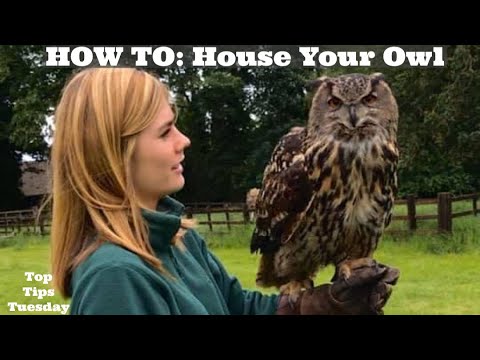
Creating a suitable habitat for captive barn owls requires careful planning. These birds have specific needs for their environment, affecting their well-being and health. You want to ensure that their living space is safe, spacious, and mimics their natural habitat as closely as possible.
Creating the Right Environment
To create the right environment for your captive barn owl, consider their natural habitat. Barn owls prefer open spaces with some cover, like trees and shrubs. You should aim to replicate this in your aviary.
Important Features:
- Perches: Use sturdy perches that allow your owl to rest and observe.
- Hiding Spaces: Provide places for them to hide, such as wooden boxes or natural branches.
- Ground Cover: Use soft materials like grass or hay to mimic their natural flooring.
Avoid using toxic materials or plants in their environment. A clean, well-maintained space is crucial for their health.
Space Requirements and Aviary Design
When designing the aviary for captive barn owls, space is key. These birds need room to fly and exercise. A bigger aviary allows for better mental and physical health.
Aviary Guidelines:
- Minimum Size: Aim for a minimum of 2.5 meters long, 1.5 meters high, and 1 meter wide.
- Height: Since barn owls can fly well, higher aviaries are ideal.
- Ventilation: Ensure good airflow to keep the temperature comfortable.
Use strong wire mesh to keep them safe from predators. A flat, solid base is recommended for easier cleaning. Regular maintenance will help keep the environment healthy for your barn owl.
Diet and Nutrition for a Healthy Barn Owl

Taking care of a barn owl involves understanding their specific dietary needs and establishing a suitable feeding routine. Proper nutrition is essential for their health and well-being.
Understanding Barn Owl Dietary Needs
Barn owls are primarily rodents eaters. Their diet mainly consists of mice, voles, and rats. In fact, over 90% of their meals are these small mammals.
You might also want to include some insects, like beetles or spiders, as occasional treats.
Barn owls can eat about 3-4 prey items each night. For example, an adult barn owl typically consumes 1½ to 2 dead day-old chicks per night, roughly the amount they need for energy. It’s crucial to monitor how much your owl eats and adjust their food supply accordingly. Also, remember, barn owls cannot digest fur or bone, which they regurgitate in the form of pellets.
Feeding Schedules and Food Sources
Establishing a feeding schedule can help ensure your barn owl stays healthy. Feed your owl every evening, simulating their natural hunting pattern. You may find that feeding them at the same time helps create a routine.
In terms of food sources, consider purchasing from reliable suppliers that offer fresh or frozen prey items. You can also look into local farms or pet stores that provide suitable food.
Make sure the food is safe and high-quality for their consumption. Avoid feeding them cooked meat or processed foods. This will help keep your barn owl healthy and happy.
Training and Interaction
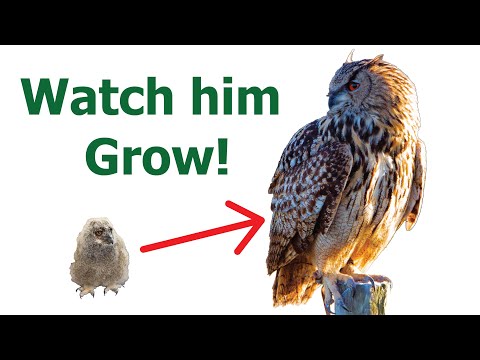
When keeping a barn owl, building a connection through training and interaction is essential. These creatures require patience and understanding to thrive in a home environment. Here are some key points for bonding with your barn owl and effective training techniques.
Bonding With Your Barn Owl
Building a bond with your barn owl begins with consistent interactions. Spend time with your owl daily to help them get used to your presence. Soft talking and gentle movements can help ease their fears.
- Offer Treats: Use small pieces of meat as rewards. This encourages positive associations with you.
- Create a Safe Space: Ensure your owl’s environment is safe and comfortable. A quiet, secure space will make them feel at ease.
Remember, each owl has its own personality. Some may take longer to connect with you. Be patient and observe their behavior to understand their needs.
Training Techniques for Owls
Training barn owls can be challenging but rewarding. Start with basic commands and use positive reinforcement. This approach helps them learn without stress.
-
Basic Commands: Teach commands like “come” or “stay.” Use hand signals alongside verbal cues.
-
Short Sessions: Keep training sessions brief, around 5-10 minutes. This prevents your owl from losing interest.
Always appreciate small victories. Celebrate when your barn owl follows a command. With time and consistency, your owl will learn and respond positively, making your interactions enjoyable.


