
Barn owls are fascinating creatures that are known for their ghostly appearance and silent flight. These owls primarily inhabit open spaces like fields, grasslands, and farmlands across the southern half of the United States and parts of Central America. Their preferred homes are places where they can find plenty of food while remaining hidden from view.

You might be surprised to learn that barn owls avoid dense forests and urban areas. Instead, they thrive in agricultural lands and areas with low human activity. This allows them to hunt for small mammals like mice and voles effectively, keeping their populations healthy and strong.
As you explore this blog post, you’ll uncover more about the specific regions where barn owls can be found and the types of habitats they favor. Understanding their living conditions can help you appreciate these amazing nocturnal hunters even more.
Barn Owl Habitats Around the World
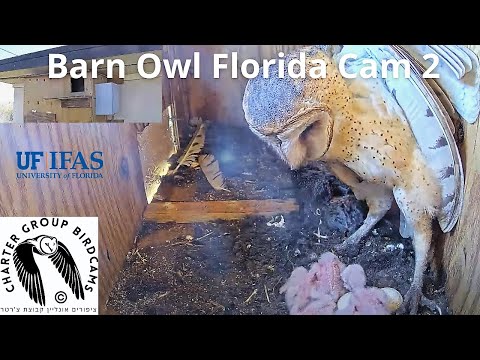
Barn owls are adaptable and can thrive in various environments. Their habitats range from grasslands to wetlands, and they are found on every continent except Antarctica. Understanding the diversity of their habitats helps you appreciate these fascinating birds better.
Diversity of Habitats
Barn owls prefer open habitats that provide ample hunting grounds. They are often found in:
- Grasslands: These areas offer plenty of small mammals, which are their primary food source.
- Farmland: Barn owls benefit from agricultural fields where rodents are common.
- Marshes and Wetlands: These locations attract various prey, providing excellent hunting opportunities.
In addition, they can thrive in deserts and cliffs, as long as there are suitable sites for nesting and roosting. Their ability to adapt to different environments shows how important it is for them to find places that support their hunting needs.
Regional Habitats
In North America, you can find the American barn owl in regions stretching from southern Canada to Mexico, gracefully hunting across farmlands and grasslands.
In Europe, these owls occupy rural areas and often nest in old buildings or trees. In Australia, they are common in open country and can adapt to various climates.
In Africa, barn owls thrive in savannas and farmlands, hunting at night to avoid competition. Countries like India also provide suitable environments, allowing barn owls to establish breeding populations.
Whether it’s the vast plains of South America or the serene wetlands of the UK, these owls are truly versatile and resourceful birds that find homes in many settings around the globe.
The Life and Behavior of Barn Owls

Barn owls have fascinating lives filled with unique behaviors. You’ll find that their hunting skills and nesting habits are key to their survival. Let’s take a closer look at how they feed and breed.
Feeding and Hunting
Barn owls are skilled hunters primarily active at night. They have excellent hearing, which helps them locate prey in darkness. Their diet mainly consists of small mammals like mice, voles, and shrews.
These owls can consume up to a dozen rodents in a single night. They hunt by gliding silently over fields, listening for the faintest movements below. Once they spot their prey, they swoop down with quick precision, capturing it with strong talons.
Barn owls often prefer open habitats like grasslands and agricultural fields, where food is plentiful. Their unique ability to scan vast areas makes them efficient hunters.
Breeding and Nesting
When it comes to breeding, barn owls are generally monogamous and form strong pair bonds. The breeding season can vary, but it typically occurs in spring and summer.
They prefer to nest in quiet, dark places such as barns, hollow trees, or even church steeples. Females lay about 4 to 7 eggs.
Once the eggs hatch, both parents take turns caring for the chicks. They provide food and protection until the young are ready to leave the nest. Nesting success varies but is crucial for maintaining their population in the wild.
Conservation Status and Efforts

Barn owls face several challenges that threaten their populations. Conservation efforts focus on understanding these threats and improving the environment where they live.
Threats to Barn Owls
Barn owls are affected by habitat loss due to urban development and agricultural changes. Many natural nesting sites have disappeared, making it hard for them to find safe places to breed.
Another major threat comes from rodenticides. Farmers often use these chemicals to control rodent populations. Unfortunately, barn owls may eat poisoned rodents, which can lead to serious health issues or even death.
In some areas, DDT and other pesticides have also harmed barn owl populations. These substances can affect their reproductive success and lead to population decline. As a result, barn owls are often classified as a species of special concern in several regions.
Conservation Initiatives
To help recover barn owl numbers, many organizations have introduced nest box programs. These programs provide safe nesting options when natural sites are limited. By encouraging barn owls to nest in boxes, you can help them raise their young.
Wildlife groups are also advocating for better land-use practices. Educating farmers about the benefits of barn owls in controlling rodents can reduce the need for harmful chemicals.
In addition, conservationists work to protect habitats that support the prey of barn owls, such as field voles. When owls have enough food and safe places to live, their populations can stabilize and recover.
By participating in local conservation efforts, you can play a part in protecting barn owls and ensuring they thrive in the wild.
Understanding Barn Owl Adaptations

Barn owls have unique adaptations that help them thrive in their environments. These traits enhance their hunting abilities and allow them to live successfully in various habitats.
Physical Characteristics
One of the most striking features of barn owls is their heart-shaped face. This shape creates a facial disc that helps funnel sound directly to their ears. Their extraordinary hearing allows them to detect small movements in complete darkness.
Barn owls have long legs and sharp talons, which are perfect for catching prey. Their feathers are specially structured for silent flight, helping them sneak up on animals without being heard. These adaptations make them effective nocturnal predators.
The white face and golden-brown plumage give them excellent camouflage in their natural habitat. Barn owls often roost in hidden spots at low elevations, like old barns and tree cavities, which helps protect them from potential threats in the wild.
Behavioral Traits
Barn owls are primarily nocturnal. They hunt at night when their prey is active. Their excellent night vision and acute hearing support this behavior. They often rely on their keen sense of hearing to locate small animals like rodents, which make up a large part of their diet.
When it comes to roosting, barn owls prefer secluded areas where they can rest without disturbances. They are solitary creatures, usually living alone or with one mate during breeding season. This behavior helps maintain their population and ensures their survival as effective hunters.
These owls exhibit remarkable predatory behavior. They often hunt in a zigzag pattern to cover more ground. This technique allows them to spot prey hiding in grass or underbrush. With these adaptations, barn owls remain important members of the wildlife ecosystem.


