
If you’re curious about the differences between a Husky and an Alaskan Husky, you’re not alone. Many people often confuse these two breeds because they have similar names and appearances. The main difference lies in their purpose and lineage: the Siberian Husky is a recognized purebred, typically kept as a pet, while the Alaskan Husky is not a purebred and is primarily bred for working tasks.

Understanding these differences can help you choose the right breed for your lifestyle. Whether you’re looking for a loyal companion or a hard-working partner, knowing about the Alaskan Husky and Siberian Husky can guide you.
Origins and Breeding

The origins and breeding of Huskies highlight their unique histories and purposes. Understanding these elements helps you appreciate the differences between the Alaskan Husky and the Siberian Husky.
Historical Background
Both the Alaskan and Siberian Huskies have rich histories linked to cold climates. The Siberian Husky comes from Siberia, where the Chukchi people bred them as sled dogs. They were designed to pull light loads over long distances, showcasing endurance and strength.
In contrast, the Alaskan Husky is a mixed breed developed in Alaska. This breed emerged from a variety of working dogs, created to excel in speed and agility for racing. Alaskan Huskies often have a more diverse background, leading to various appearances and traits.
Breed Development and Standards
The Siberian Husky is recognized as a purebred with specific breed standards. These include physical traits like a thick coat, erect ears, and distinctive markings. Their coat varies in color from black to agouti, offering a beautiful array of options.
Alaskan Huskies, on the other hand, are not a purebred breed. They have no set standards, which means they can differ significantly in appearance. This flexibility allows for various traits and sizes, often adapted for specific tasks like sledding or racing. Both breeds have strong working dog instincts, making them excellent companions for active lifestyles.
Physical Characteristics and Temperament
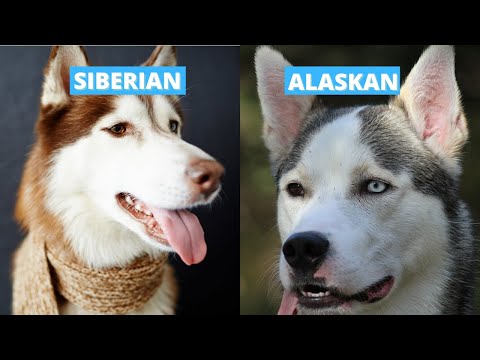
When looking at the differences between an Alaskan Husky and a Siberian Husky, their physical traits and temperament play a big role. Understanding these aspects can help you choose the right breed for your home.
Appearance Comparison
The Alaskan Husky is a hybrid breed, known for its athletic and lean body. They can stand about 25.5 to 26 inches tall and weigh between 40 to 55 pounds. Their coats are often a mix of colors and markings, which can vary widely.
In contrast, the Siberian Husky is usually a bit smaller, standing around 20 to 24 inches and weighing about 35 to 60 pounds. They have a thick, double coat that is black, gray, red, or agouti. Siberians also have striking blue or multi-colored eyes. Both breeds have erect ears and a bushy tail.
Behavioral Traits
Both breeds have high energy levels and need plenty of exercise. You will find that they enjoy activities like running and playing. The Alaskan Husky is known for its independent nature, often appearing more reserved.
On the other hand, Siberian Huskies are friendly and social. They tend to be good with children and can make excellent family pets. Both breeds are intelligent, but their prey drive can be strong. They may not be the best guard dogs due to their friendly disposition.
These traits will influence how they interact in your home and with your family. Be sure to consider your lifestyle when choosing between these two breeds.
Health and Care

Taking care of your husky or Alaskan husky involves understanding their unique health needs and grooming requirements. Being informed can help you keep your furry friend healthy and happy.
Common Health Issues
Both Alaskan huskies and Siberian huskies can face several health concerns. Some common issues include hip dysplasia, eye problems like cataracts, and skin allergies. You should monitor your dog for sudden changes in behavior or health.
Alaskan huskies are generally hardy and have good endurance. Their lifespan ranges from 10 to 15 years, which is typical for medium to large breeds. Regular vet check-ups can help detect any health problems early.
Keeping your husky active and engaged can prevent obesity, a common issue due to their love of food.
Grooming and General Care
Grooming your husky is essential for their overall health. Both breeds have thick coats, requiring regular brushing to manage shedding and mats. You should brush your husky at least twice a week, more often during shedding seasons.
When grooming, pay attention to their ears and paws. Regular ear cleaning prevents infections, while nail trimming helps with mobility. Bathing should be done only as needed to avoid drying out their skin.
Proper nutrition is vital for their health. Ensure that your dog gets a balanced diet rich in protein and healthy fats. This supports their working ability and keeps their coat shiny. Keeping an eye on their weight can help avoid health problems in the future.
Training and Socialization

Training your husky or Alaskan husky is essential for a happy life together. These dogs are known for their independent nature, so you might need to put in extra effort to train them.
Using positive reinforcement is key. You should reward your dog with treats or praise when they do what you ask. This makes training a fun experience for both of you.
Both types of huskies need mental stimulation. Engage them with tasks or puzzles that challenge their minds. This can reduce mischievous behaviors that may arise from boredom.
In terms of trainability, Siberian Huskies are often considered easier to train since they have been more domesticated. On the other hand, Alaskan Huskies might require a firm yet gentle approach.
Socialization is important, too. Early exposure to different people, pets, and environments helps them grow into well-adjusted companion animals.
For huskies, especially those used in sled dog racing, teamwork is developed through training. They enjoy being part of a group, so consider training with other dogs in a social setting when possible.
Regular training and socialization make your bond stronger. Keep sessions short and enjoyable to maintain their interest.


