
When thinking of sled dogs, two breeds often come to mind: the Alaskan Husky and the Siberian Husky. The main differences between these two breeds are their origins, size, and purpose. While both are strong and beautiful dogs, each has unique traits that suit them for different lifestyles and roles.

Alaskan Huskies are typically bred for performance and are often seen racing or working in teams. They come in various sizes and are not a registered purebred breed. On the other hand, Siberian Huskies are known for their striking looks and are usually kept as family pets. They have more consistent physical traits, including their height and coat colors.
By understanding the differences between the Alaskan Husky and the Siberian Husky, you can better decide which breed fits your lifestyle and preferences. Whether you are looking for a working dog or a loving companion, knowing what sets them apart is essential.
Origins and History

The origins and history of Huskies reveal their distinctive traits and purposes. Understanding where each breed comes from helps you appreciate their unique characteristics and how they’ve adapted to different environments.
Siberian Husky Origins
The Siberian Husky has a rich history, going back thousands of years. These dogs were bred by the Chukchi people in Siberia.
They needed a reliable and strong companion for transporting goods and hunting. This breed is known for its endurance and ability to work in harsh, cold climates.
Siberian Huskies were brought to Alaska during the gold rush in the early 20th century. They quickly gained popularity due to their sled-pulling abilities. They are considered one of the oldest dog breeds and are renowned for their friendly nature and striking appearance.
Alaskan Husky Development
Alaskan Huskies differ from Siberian Huskies in their breeding. They are not a registered breed but a mixed breed developed in Alaska.
These dogs were created by combining traits from various breeds, including the Siberian Husky. The goal was to produce a dog that is excellent at pulling sleds and working in severe conditions.
Alaskan Huskies are often bred for performance rather than adhering to a specific breed standard. This results in a wide variety of sizes and appearances. While they are versatile and well-suited for sledding, they lack the purebred status of the Siberian Husky.
Physical Characteristics

When comparing Alaskan Huskies and Siberian Huskies, their physical traits stand out. Each breed has unique features that help you distinguish one from the other. Let’s explore their size, coat types, and eye colors.
Size and Appearance
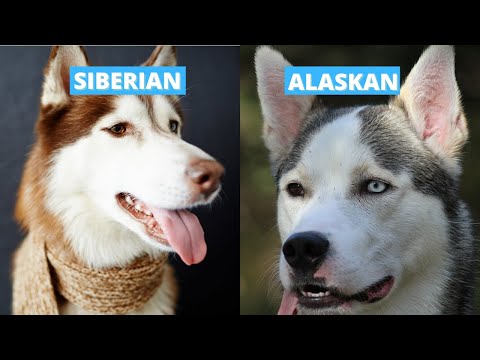
Siberian Huskies are generally larger than Alaskan Huskies. A typical Siberian Husky stands about 21 to 24 inches tall at the shoulder, while Alaskan Huskies range from 20 to 25 inches.
Weight also varies: Siberian Huskies usually weigh between 35 to 60 pounds, whereas Alaskan Huskies are lighter, weighing around 40 to 55 pounds.
The build of Siberian Huskies is more uniform with a thicker neck and a rounded appearance, while Alaskan Huskies can be more diverse in shape due to their mixed breeding background.
Coat Types and Length
Both breeds are known for their thick double coats, which provide insulation against cold weather. Siberian Huskies typically have a medium-length coat that lies flat against their body.
In contrast, Alaskan Huskies may exhibit a variety of coat lengths and textures owing to their mixed ancestry.
Coat colors also vary significantly. Siberian Huskies come in shades like black, gray, red, and agouti (a mix of colors). Alaskan Huskies often have similar colors but can include various patterns, like spotted or patched, due to their mixed breed origins.
Eye Color and Heterochromia
Siberian Huskies are well-known for their striking blue eyes. Some may also have brown or one of each in a condition called heterochromia, where each eye is a different color.
While Alaskan Huskies can have similar eye colors, they are less likely to display heterochromia. Their eyes can range from blue to brown and even amber.
Eye color is just one way to tell these breeds apart. The eye color can add to the beautiful appearance of your dog, enhancing its individuality.
Behavior and Temperament
Understanding the behavior and temperament of both Alaskan and Siberian Huskies can help you choose the right companion for your lifestyle. Each breed has unique traits that reflect their history and purpose, including their intelligence and energy levels.
Siberian Husky Temperament
Siberian Huskies are known for their friendly and outgoing nature. They are very social dogs and tend to get along well with people and other animals. This breed often shows affection and enjoys being part of a family.
Energy levels are typically high, meaning they require a lot of exercise. They are working dogs, bred for pulling sleds, so they thrive in active environments. Mental stimulation is also crucial.
Providing activities like running, agility training, or even puzzle toys helps keep them engaged.
While they are trainable, their independent nature can make them a bit stubborn. Positive reinforcement methods work best, allowing them to learn while enjoying the process. Regular socialization is essential to ensure they develop into well-rounded pets.
Alaskan Husky Disposition
Alaskan Huskies are often more independent than Siberian Huskies since they are typically bred for specific tasks. This characteristic can make training a bit more challenging since they may not always be eager to please.
That said, Alaskan Huskies are still known for their friendly behavior. They can be affectionate but might not seek out human attention as much. These dogs have strong work ethics and thrive on having a job to do, whether it’s pulling sleds or participating in other canine sports.
Due to their stamina and energy levels, it’s important to engage them in regular physical activities. They may not be as vocal as Siberian Huskies, but their energy and curiosity can lead to mischievous behavior if not adequately exercised.
Training and Intelligence
Both husky breeds are intelligent but express their smarts in different ways. While Siberian Huskies might follow commands easily, Alaskan Huskies often prefer to think for themselves.
When training your husky, use positive reinforcement methods to encourage desired behaviors. Offering treats or praise can be more effective than correction-based methods. Keep training sessions short and fun to maintain their interest.
Regular mental challenges are key for both breeds. Consider incorporating activities that require problem-solving, like scent games or agility courses. This helps satisfy their need for mental stimulation and reduces boredom-related issues.
Socialization is equally important. Exposing your husky to various people, animals, and environments will help them become more adaptable and secure.
Health and Care

Taking care of your Husky involves understanding their specific health needs and grooming requirements. Both the Alaskan Husky and the Siberian Husky have their unique traits, so it’s important to know what to focus on for each breed.
Health Issues and Lifespan
Both Alaskan and Siberian Huskies can face health issues, although the specifics may vary. Alaskan Huskies are generally robust, but they can be susceptible to conditions like Alaskan Husky Encephalopathy, a genetic brain disorder.
Siberian Huskies tend to have a lifespan of about 12 to 15 years and commonly experience eye problems such as cataracts. Regular check-ups with your vet can help catch these problems early.
Providing balanced dog food rich in nutrients is essential for both breeds to maintain their health. Keeping an eye on your dog’s weight will help avoid obesity, a common issue for both breeds.
Grooming Needs and Shedding
Grooming your Husky is essential for their health and comfort. Both breeds have a thick double coat that requires regular brushing. This is especially true during shedding seasons.
You can expect heavy shedding twice a year, so a good brush will help manage loose fur. During these periods, consider investing in high-quality grooming tools.
Baths should be minimal since their coats are designed to keep dirt away. Use a gentle dog shampoo when needed.
Keep an eye on their nails and ears as well. Regular trimming and cleaning can prevent issues and keep your pup comfortable. This attentiveness to grooming will help keep your Husky looking and feeling great!


