
Squirrels steal seed, make a mess, and scare birds off—yeah, it’s annoying. But you really don’t have to give up on feeding wildlife.
The best squirrel-proof bird feeder keeps those furry thieves out with a simple, proven design. Usually, that means a weight-activated perch, a spinning mechanism, or a sturdy baffle. Birds get to eat in peace, and your seed actually lasts.

Let’s talk about how these designs work and which styles actually fit your yard or budget. I’ll cover picks for hanging tubes, pole systems, and suet cages. You’ll also get tips for placement, so squirrels stay out and birds keep showing up.
Don’t forget the practical stuff—capacity, how easy it is to fill, and whether the feeder’s better for clinging or perching birds. That’ll save you time and money.
How Squirrel-Proof Bird Feeders Work
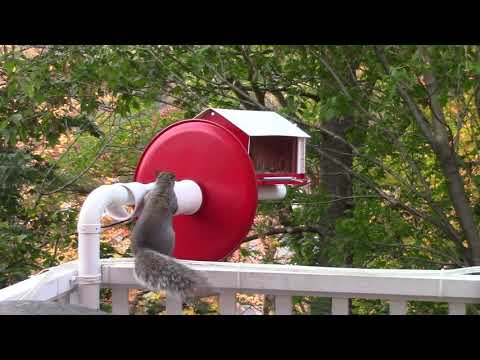
Squirrel-proof feeders use weight triggers, moving parts, or tough materials to keep squirrels out. They let little birds feed, but close off access or remove perches if something heavier tries to eat.
What Makes a Bird Feeder Squirrel-Proof?
A feeder gets called squirrel-proof when its design actually blocks squirrels without hurting them. You’ll want adjustable weight thresholds that close feeding ports, lids that squirrels can’t pop off, and cages with openings just right for birds—not squirrels.
Placement matters a lot. Mount your feeder on a pole with a baffle, or hang it far from anything a squirrel could leap from. That cuts down on their chances.
Look for feeders that combine these features. For example, a feeder with an enclosed seed tube and a weight-adjustable mechanism keeps seed dry and blocks heavier animals. Always check the product specs for capacity, materials, and whether the ports close automatically under load.
Weight-Sensitive Mechanisms and Perch Types
Weight-sensitive perches and feeding ports use springs, cams, or sometimes little motors to react to who’s visiting. A small bird lands—no problem, the port stays open. If a squirrel or crow shows up, the mechanism shuts the port or pulls the perch away.
Some feeders use a simple tension spring. Others get fancy, like a motorized perch ring that spins and gently flips the squirrel off. It’s kind of funny to watch, honestly.
Check if you can adjust the weight sensitivity. Lots of feeders let you set it for light, medium, or heavy, so you can allow bigger birds but still block squirrels. Perch type matters too: fixed metal perches work well for birds, but short or missing perches make things tough for squirrels.
Chew-Proof Materials and Durability
Tough materials really matter. Go for feeders made with RoxResin, powder-coated steel, stainless steel, or UV-stable polycarbonate. Squirrels can’t chew through those, and they handle sun and rain better.
Metal cages and thick plastic tubes leave fewer weak spots for squirrels to attack. Ventilation helps keep seed fresh, and leak-proof lids stop squirrels from yanking out damp seed. Look at how the parts fit together—welded seams and tamper-proof screws hold up longer than snap-on pieces.
If you want a list of tested models and mechanisms, check out reviews of top squirrel-proof feeders, like the ones tested at Bob Vila.
Best Squirrel-Proof Bird Feeders Reviewed

You want a feeder that really keeps squirrels out, fits your yard, and is still easy for birds to use. The picks below show what actually works—by mechanism, build, and where you can mount or hang them.
Top Weight-Activated Feeders
Weight-activated feeders close ports or block access when something heavy lands. You’ll see this in the Brome Squirrel Buster series—the Classic, Plus, Mini, and Standard all use springs or adjustable settings. Small songbirds get to eat, but heavier squirrels trigger the shutoff.
You can adjust the weight setting to favor finches or even bigger birds if you want. These feeders usually use tough plastic or RoxResin, so squirrels can’t chew in, and they have good ventilation to keep seed from molding.
Always check the seed capacity so you know how often you’ll need to refill. Mounting options vary—some have pole kits, others use hanging hooks. If you’re curious about model reviews and comparisons, here’s a solid tested list of top weight-activated options: (https://lovethebirds.com/best-squirrel-proof-bird-feeder/)
Motorized and Spinning Bird Feeders
Motorized feeders fight back by spinning and tossing squirrels off. The Droll Yankees Yankee Flipper and similar models sense extra weight and rotate or spin, gently flinging the squirrel away.
You’ll probably lose a little seed when it spins, but it’s worth it to keep squirrels out. These need power—usually batteries—and a bit more maintenance since moving parts can jam if they get dirty or filled with seed hulls.
Mount them where a squirrel can’t jump from a nearby ledge. They’re best for folks who want active defense and don’t mind swapping batteries or doing quick cleanings. Spinning feeders usually hold a lot of seed and have roomy perches for songbirds, but always check the specs to make sure they’re bird-friendly.
Best Caged and Tube Designs
Caged tube feeders and enclosed suet cages actually block squirrels with a physical barrier. With a caged tube feeder, a metal cage wraps around the seed tube, so squirrels just can’t reach the ports.
These feeders keep seeds dry, which is a nice bonus, and you’ll often see them listed as some of the most effective squirrel-resistant options out there. For suet, double suet feeders or those tight mesh suet cages let the little birds—like woodpeckers and nuthatches—get their fill, but squirrels won’t stand a chance.
Steel feeders really hold up against chewing and bad weather, so they’re a solid pick if you want something weatherproof that’ll last outside. If you want the best results, mount your feeder on a pole with a baffle, or hang it where squirrels can’t jump onto it.
Curious about which tube-cage styles or suet options work best? Check out some tested lists and product reviews here: (https://www.thespruce.com/best-squirrel-proof-bird-feeders-4173490)


