
If you’re looking for the best dog to have inside your home, several breeds stand out as ideal companions for indoor living.
Small dogs like the French Bulldog or Pug thrive in apartment settings due to their low energy needs and love for cuddling on the couch. These breeds fit perfectly into your lifestyle, especially if space is limited.
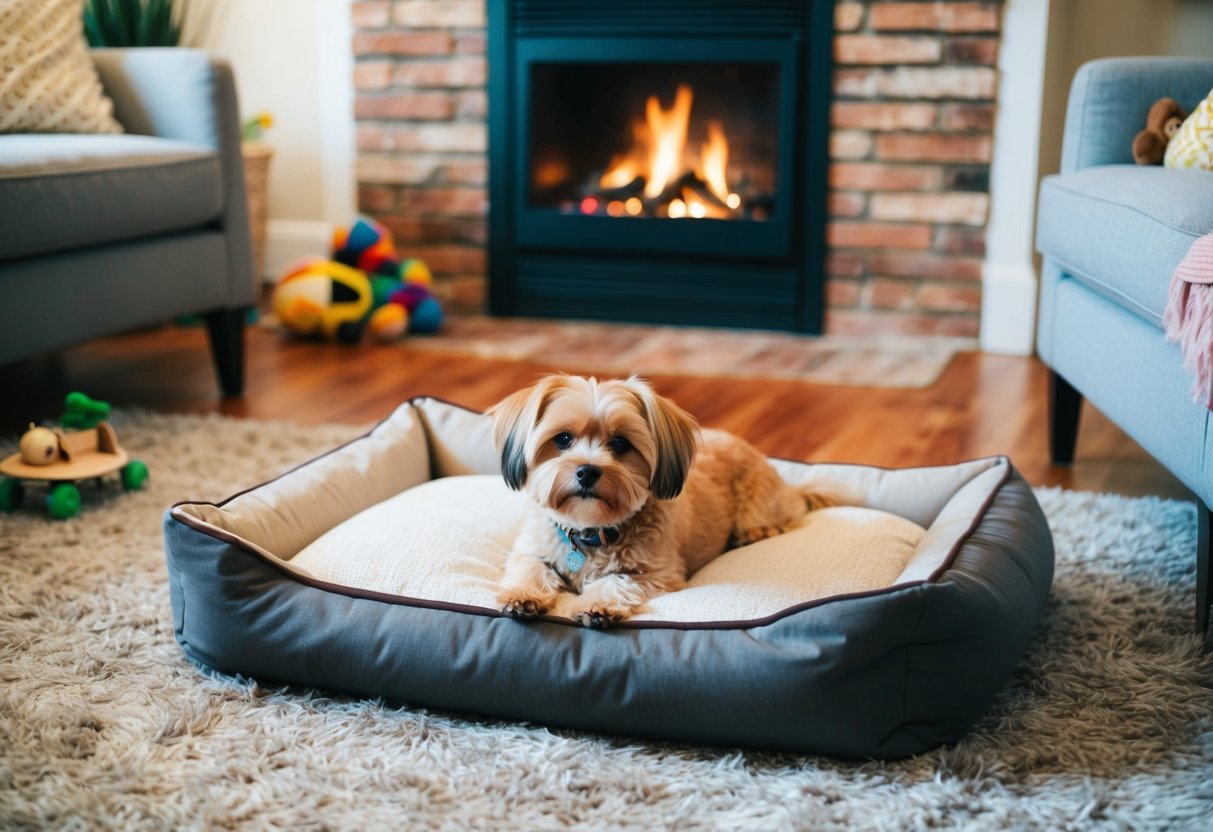
Beyond just size, the best house dogs are those that enjoy being indoors and are low-maintenance. Indoor dogs such as Bichon Frise or Cavalier King Charles Spaniel are known for their friendly nature and adaptability, making them great choices for families or singles. They provide warmth and companionship, turning your living space into a cozy home.
When choosing a dog for apartment living, consider not only their size but also their temperament and playfulness.
Breeds like the Dachshund or Shih Tzu are often content with a few walks and playtime inside. Their charming personalities can brighten up even the smallest of spaces, ensuring that you have a loving furry friend by your side.
Choosing the Right Breed

Finding the right dog breed for your home can be a fun journey. You’ll want to think about your living situation, lifestyle, and what kind of personality fits your family best.
Let’s explore some important factors and compare small breeds to larger ones.
Factors to Consider
When choosing a dog breed, consider your living space first. If you live in a small apartment, a smaller dog may be best. These indoor dog breeds usually need less space to roam.
Next, think about your family’s activity level. Active families might prefer high-energy dogs like terriers, while more relaxed homes might find comfort in calm breeds like bulldogs.
Also, consider barking levels. Some breeds are known for their vocal nature, which might not suit every household.
Another factor is grooming needs. Some small dogs require regular grooming, while others are low-maintenance. You’ll also want to consider age; puppies need more training, while adult dogs may already be trained and ready for family life.
Small Breeds Vs. Larger Breeds
Small breeds, like Shih Tzus and French Bulldogs, are often ideal for indoor living. They take up less space, making them perfect for apartments. These small dogs are usually friendly and adaptable, making them great family dogs.
On the other hand, larger breeds can also thrive indoors if you have enough space. Breeds like Golden Retrievers can be wonderful family companions with the right training and socialization. However, they might require more exercise and room to play.
Your choice should depend on your environment and how much energy and space you can provide for your new furry friend.
Popular Breeds for Indoor Living
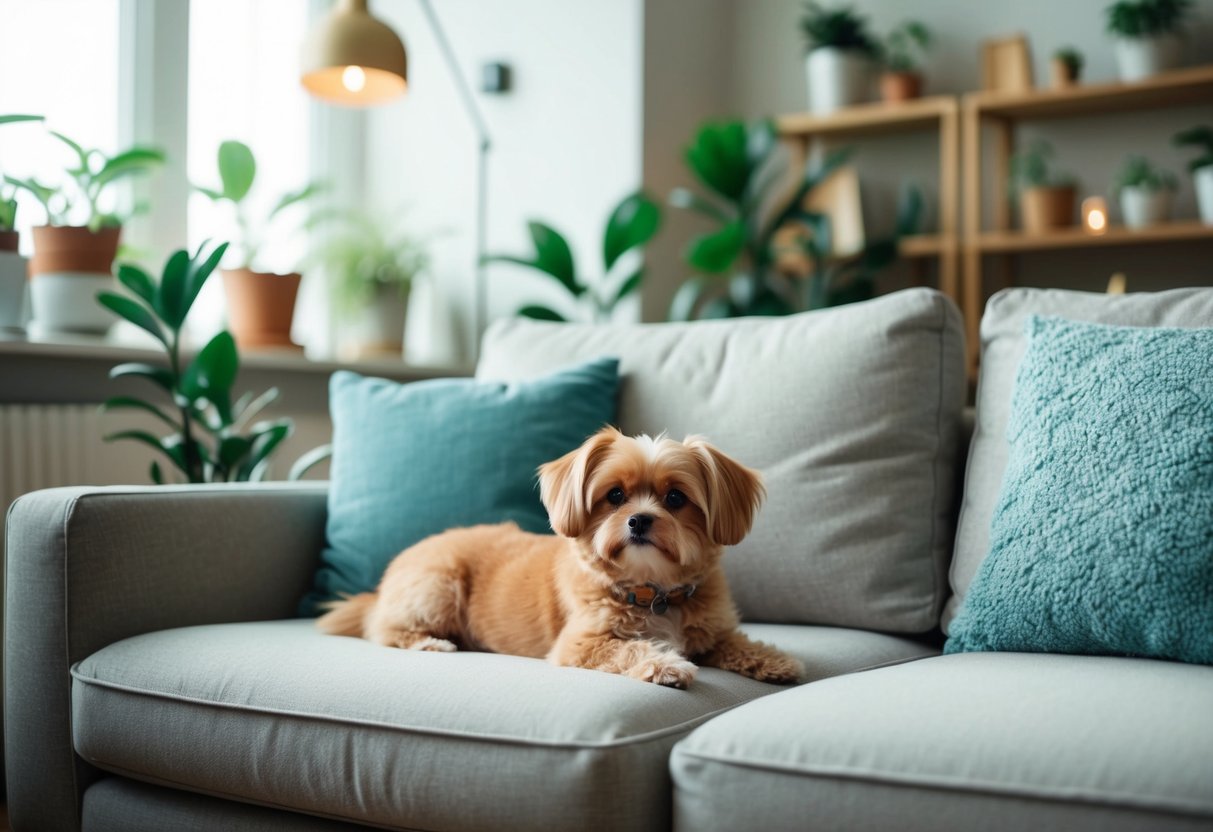
When choosing a dog for indoor living, consider their temperament, size, and grooming needs. Some breeds are quiet and gentle, while others bring energy and playfulness to your home. Low-shedding dogs can also be great for allergy sufferers. Here are some breeds to think about.
Quiet and Gentle Breeds
If you prefer a calm companion, certain breeds fit well in quieter homes.
Pugs are known for their friendly nature and adaptability, making them perfect for indoor living. French Bulldogs also thrive in apartments due to their low exercise requirements.
Bichon Frises are cheerful and gentle. They enjoy cuddling and require minimal space. Another great choice is the Cavalier King Charles Spaniel. This breed is affectionate and loves to stay close to you.
Shih Tzus and Maltese dogs bring joy with their playful yet gentle demeanor.
Energetic and Playful Breeds
For those who enjoy an active lifestyle, consider energetic indoor breeds.
Beagles are friendly and curious, making them engaging companions. Dachshunds also have playful spirits and can be entertaining with their quirky personalities.
Another fun option is the Boston Terrier. Known for their lively antics, they thrive on interaction. Pomeranians are small yet full of energy. They are lively and enjoy being part of the family.
Italian Greyhounds are playful and affectionate, and they love to snuggle after some playtime. Yorkshire Terriers are small and full of personality, making them perfect for indoor fun.
Low-Shedding and Hypoallergenic Breeds
If allergies are a concern, consider low-shedding breeds.
Poodles are excellent choices. They come in different sizes and have a hypoallergenic coat. Miniature Schnauzers are also known for their low-shedding fur and friendly nature.
The American Hairless Terrier is a unique option, offering a low-maintenance choice for allergy sufferers. Then there’s the Havanese, known for their gentle disposition and lively spirit.
Coton de Tulears have a soft coat that doesn’t shed much. They are cheerful and adapt well to indoor life. Lastly, the Japanese Chin is a small, elegant breed that does well in smaller spaces.
Caring for Your Indoor Dog
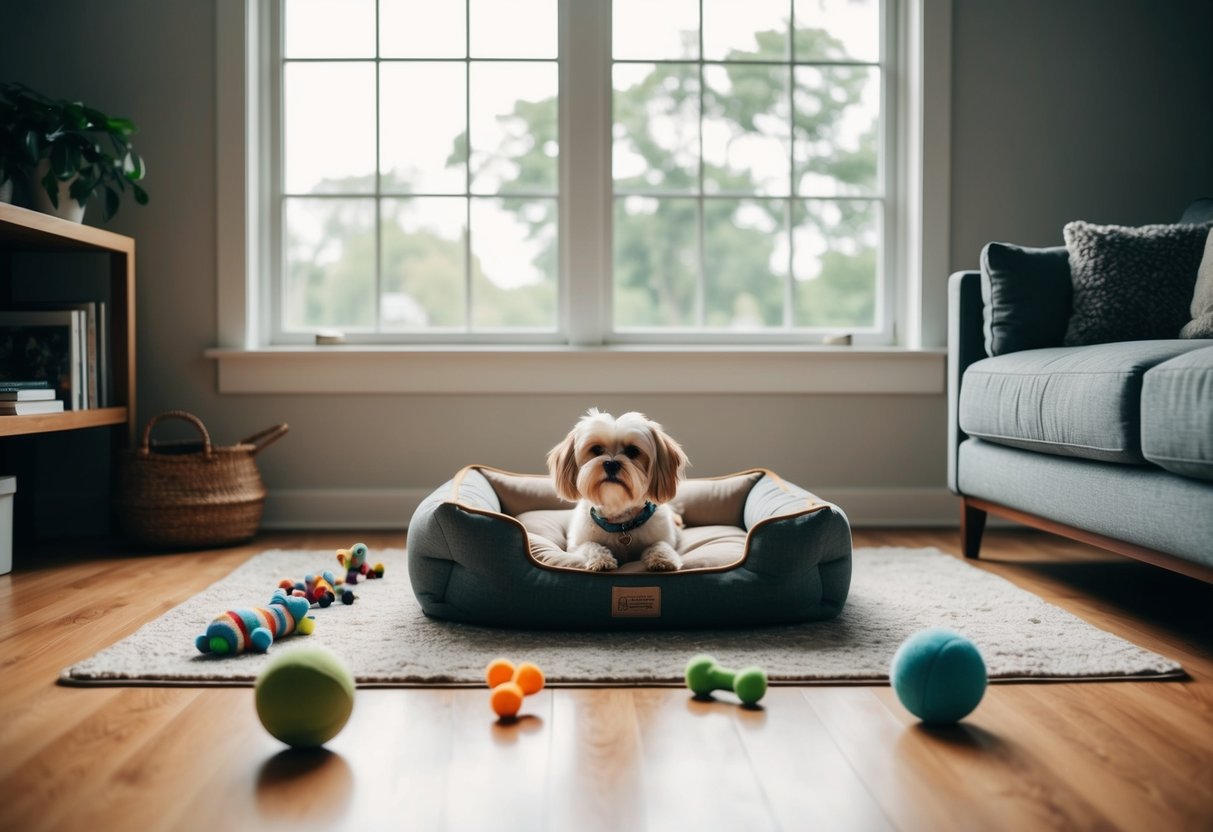
Caring for your indoor dog involves several important aspects. You’ll need to focus on their physical and mental activity, grooming, health care, and proper training to ensure they thrive in your home.
Exercise and Mental Stimulation
Even small breeds need regular exercise to stay healthy and happy.
Daily walks are essential, but indoor playtime is just as important. Use toys that promote activity, like balls or tug ropes, to keep your dog engaged.
Incorporate mental stimulation through puzzle toys or training games. Dogs love learning new tricks, and this not only entertains them but also strengthens your bond.
Set aside at least 30 minutes each day for both exercise and mental challenges. Remember, a tired dog is a happy dog, so mix it up to keep things interesting!
Grooming and Health Care
Grooming is crucial for your dog’s well-being.
Regular brushing helps reduce shedding and keeps their coat healthy. Small breeds often require more grooming, so plan for a routine that suits your dog’s needs.
Keep an eye on their dental health, too. Brush their teeth regularly and consider dental treats as part of their care.
Schedule regular vet check-ups to monitor their health.
Make sure to stay on top of vaccinations and flea treatments. Good health care prevents problems down the road and helps keep your indoor dog happy.
Training and Socialization
A well-behaved indoor dog needs training. Start with basic commands like sit, stay, and come. This not only makes your life easier but also provides your dog with structure.
Socialization is equally important. You should expose your dog to different environments, people, and other pets. This helps prevent excessive barking and anxiety.
Group classes can be a fun way to train and meet other pet owners. Make sure to reward good behavior with treats or praise. A well-trained and socialized dog is more relaxed and enjoyable to have indoors!


