
If you’ve ever wondered about the biggest dog breed, you’re in for a treat! As of 2024, the English Mastiff holds the title as the largest dog breed, with some weighing between 120 to 230 pounds. These dogs are known for their massive size, but also for their gentle nature, making them truly the “gentle giants” of the canine world.
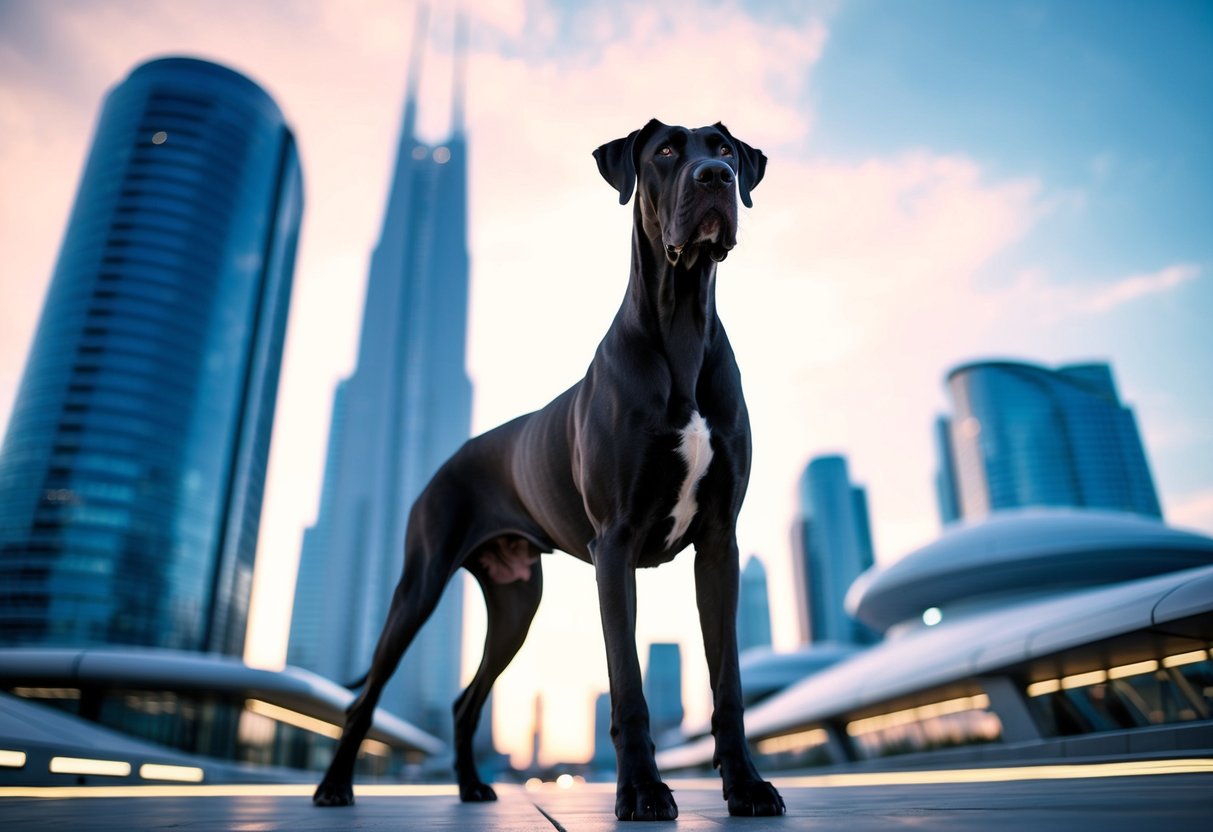
You might also hear about other large breeds like the Great Dane and the Irish Wolfhound, each impressive in their own right. Great Danes can stand over 30 inches tall and have a friendly disposition, while Irish Wolfhounds are known for their tall, slender frames. While they may not be the biggest in weight, they certainly make a striking presence.
As you explore the fascinating world of large dog breeds, you’ll discover what makes these dogs special, from their size to their temperament. Whether you’re a dog lover or just curious, these enormous canines are sure to capture your heart.
History and Development of Giant Dog Breeds
Giant dog breeds have fascinating origins and a unique place in history. Understanding their development helps you appreciate their size and traits.
You’ll explore their origin stories, breeding practices, and the notable record holders that showcase their impressive stature.
Origin Stories
Giant dog breeds like the Great Dane and Mastiffs have roots in ancient times. The Great Dane originated from German hunting dogs known as “Bärenbeißer.” This translates to “bear-biter,” hinting at their original purpose of hunting large game.
Mastiffs, on the other hand, date back to ancient civilizations such as the Romans and Greeks. They were often used as guard dogs and war dogs. The Irish Wolfhound is another breed with an ancient lineage, bred for hunting wolves in Ireland. These origin stories set the stage for their development into the large, loving companions you know today.
Selective Breeding Practices
Selective breeding played a crucial role in the development of giant dog breeds. Breeders focused on enhancing traits like size, strength, and temperament.
This careful process allowed them to create dogs that were not only large but also loyal and friendly.
For example, the English Mastiff was bred to be a protective animal and a gentle giant. Similarly, the Great Dane was developed to have a commanding presence while remaining friendly. Breeders sought to balance these traits, ensuring that these dogs were suitable for families and homes while retaining their impressive size.
Record Holders Over Time
Through the years, several giant dogs have captured attention and set records. One of the most famous is Zeus, a Great Dane that held the Guinness World Record for tallest dog in 2012, measuring over 7 feet tall on his hind legs. Other notable record holders include Hercules, an English Mastiff, known for his massive weight.
Giant George, another Great Dane, was recognized for his height, while Freddy, an Irish Wolfhound, stood out as one of the tallest dogs too. Titan and Major are also remembered for their impressive size and gentle nature. These dogs not only break records but also bring joy and companionship, showcasing the loving spirit of giant breeds.
Characteristics and Temperament
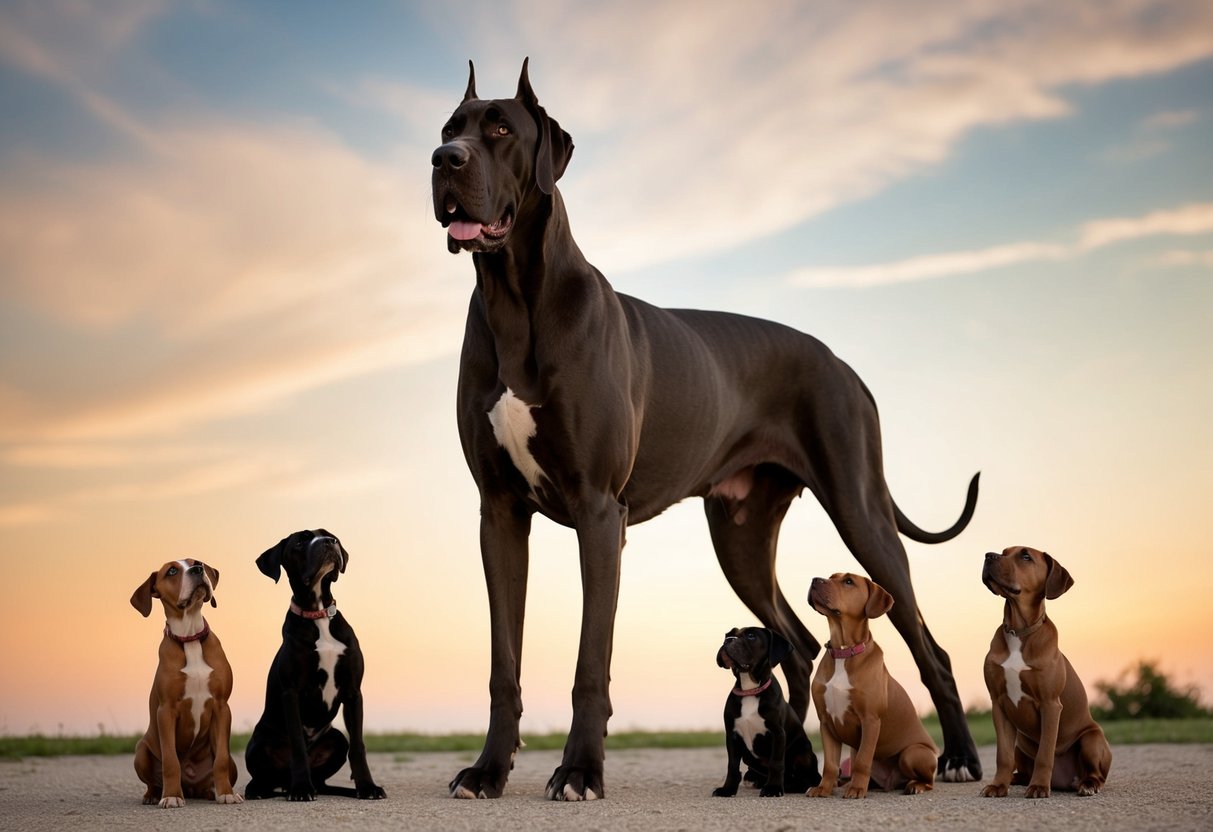
Big dog breeds often have unique characteristics and temperaments that make them wonderful companions. Understanding these traits can help you choose the right breed for your lifestyle and family.
Physical Features
The biggest dog breeds, like the Great Dane and the English Mastiff, are known for their impressive size. Great Danes can stand up to 34 inches tall and weigh between 100 to 200 pounds. Their stature certainly earns them the title of “gentle giant.”
These dogs often have strong, muscular bodies. Their coats can vary in color, from brindle to solid white or black.
Despite their size, many of these breeds are quite graceful. When properly cared for, they can have a long, healthy life, often averaging 7 to 10 years.
Behavioral Traits
The temperament of the largest dogs is typically friendly and affectionate. They often form strong bonds with their families. This makes them excellent family pets and loyal companions.
Many giant breeds have protective instincts. They can be great watchdogs while also being gentle with children. Their affectionate nature often leads them to seek out attention and love from their owners.
A big dog can be a great socializer. They usually enjoy being around people and other pets, making them great additions to active families. With proper training, they can be well-mannered and calm around guests.
Challenges and Considerations
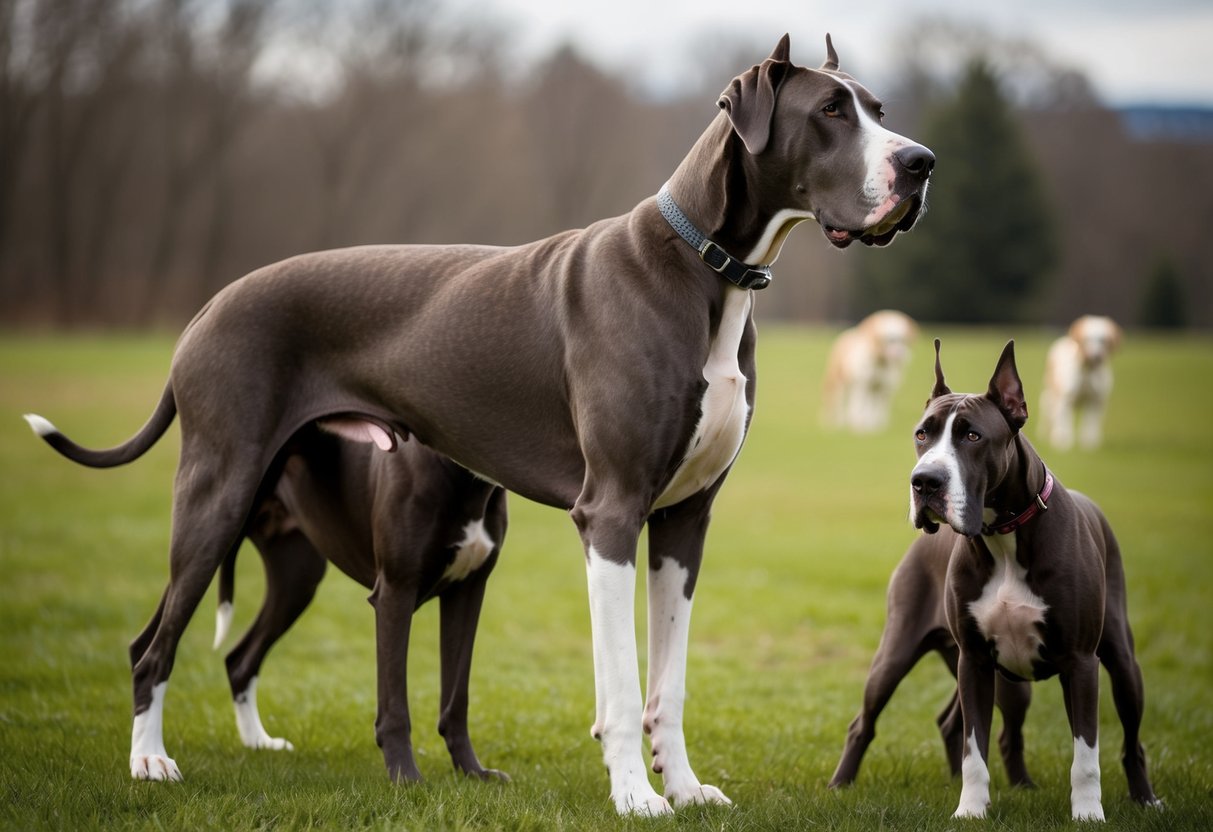
Owning a large dog comes with unique challenges and responsibilities. From health concerns to living space needs, understanding these factors is crucial for ensuring a happy life for your pet.
Health and Maintenance
Large breeds are prone to specific health issues, such as hip dysplasia and bloat. Hip dysplasia affects the hip joint and can lead to arthritis. Regular vet check-ups can help catch these problems early. Bloat is a serious condition that can occur in deep-chested dogs, leading to gas buildup and requiring immediate attention.
Regular exercise is vital for maintaining your dog’s health. Engaging in daily walks and playtime helps keep their weight in check.
Consider pet insurance to help with unexpected vet bills, especially given the potential for health issues in large breeds.
Living Space Requirements
Your dog’s size directly impacts their living space needs. Large dogs require more room to move comfortably.
If you live in an apartment, ensure there is enough space for your dog to stretch and play. A secure outdoor space is beneficial for regular exercise. Fenced yards are ideal. If you lack outdoor space, a nearby park or open area can be essential for your dog’s physical health and happiness.
Dietary Needs
Feeding large dogs requires careful thought. They often need specially formulated food to support their size and avoid obesity.
Look for high-quality dog food that lists meat as the first ingredient. Be mindful of portion sizes. Overfeeding can lead to weight gain, worsening issues like hip dysplasia.
It’s also wise to consult your vet about any supplements, especially if your dog shows signs of joint discomfort. Proper nutrition is key to a healthy, active life.
Popular Giant Dog Breeds in 2024
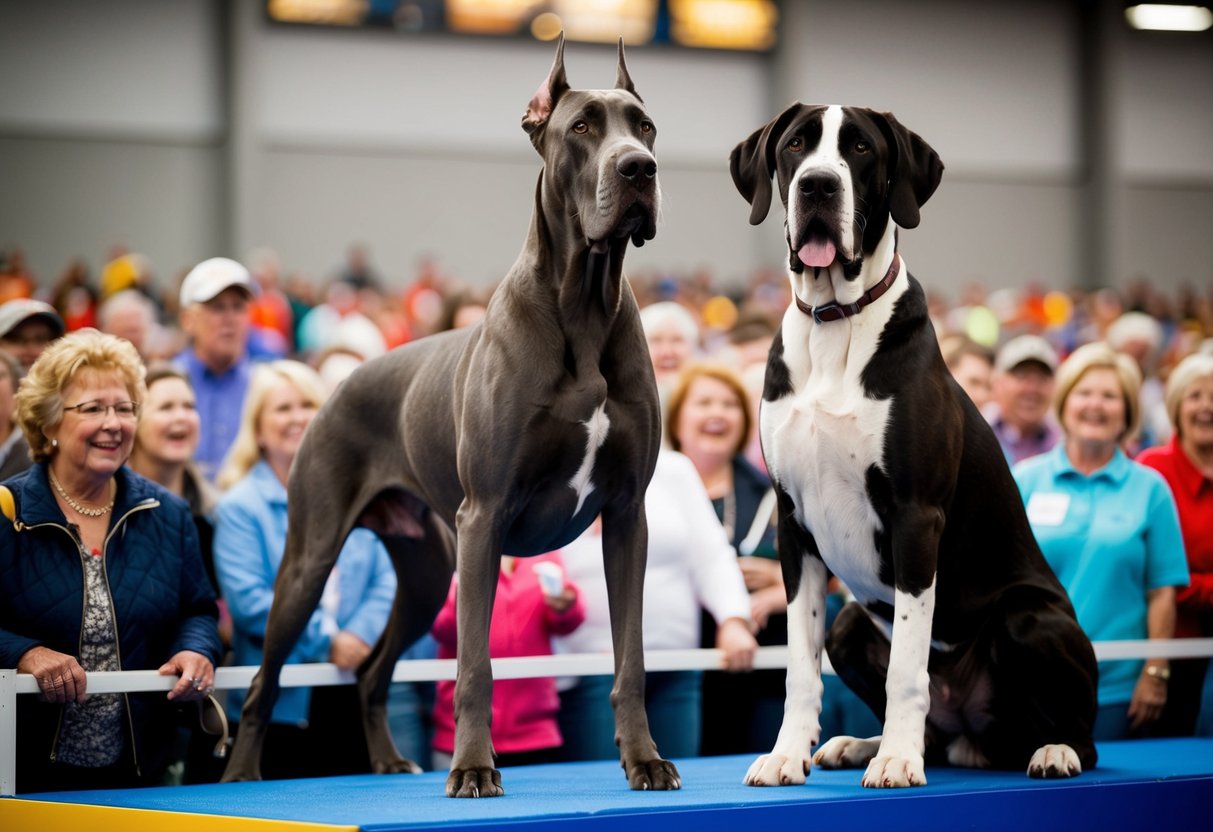
Giant dog breeds are not only impressive in size but also have unique traits that make them fantastic companions. Here are some of the most popular giant dog breeds in 2024 that you might consider for your family.
The Great Dane
Great Danes are known as the “gentle giants” of the dog world. These dogs can stand up to 34 inches tall at the shoulder and weigh between 100 to 175 pounds. Despite their size, they are friendly and good-natured.
Great Danes are great for families with children. They are patient and protective, making them a perfect addition to your home. Training is essential, as they need to learn how to manage their large size.
Their short coat requires minimal grooming, which is a plus for busy families. Regular exercise is vital, so daily walks and playtime are important to keep them happy and healthy.
The English Mastiff
The English Mastiff is one of the largest dog breeds in terms of mass. Males can weigh between 160 to 230 pounds and reach heights of 27 to 32 inches. They are known for their calm and loyal demeanor.
Mastiffs are excellent family dogs. Their protective nature makes them great guardians for your home. Despite their massive size, they are gentle and affectionate with children.
Grooming is simple, as they have short coats. However, they do require moderate exercise. Short daily walks and some playtime will keep them entertained without overdoing it.
The Irish Wolfhound
The tallest dog breed is the Irish Wolfhound, which stands between 30 to 34 inches tall. They can weigh up to 180 pounds. Known for their slender, graceful appearance, they are both elegant and strong.
Irish Wolfhounds are friendly and good with children, making them ideal for family living. They are gentle and often form strong bonds with their owners.
These dogs require regular exercise, such as walks or playtime in a yard. Their grooming needs are light, needing only occasional brushing. As a giant breed, early training is important to help manage their size.


