
Choosing the right dog can be a big decision, especially if it’s your first time bringing one into your home. You want a pet that will bring joy and companionship without causing too much stress. The Labrador Retriever is often the best dog for first-time owners. This breed is known for its friendly nature and adaptability.
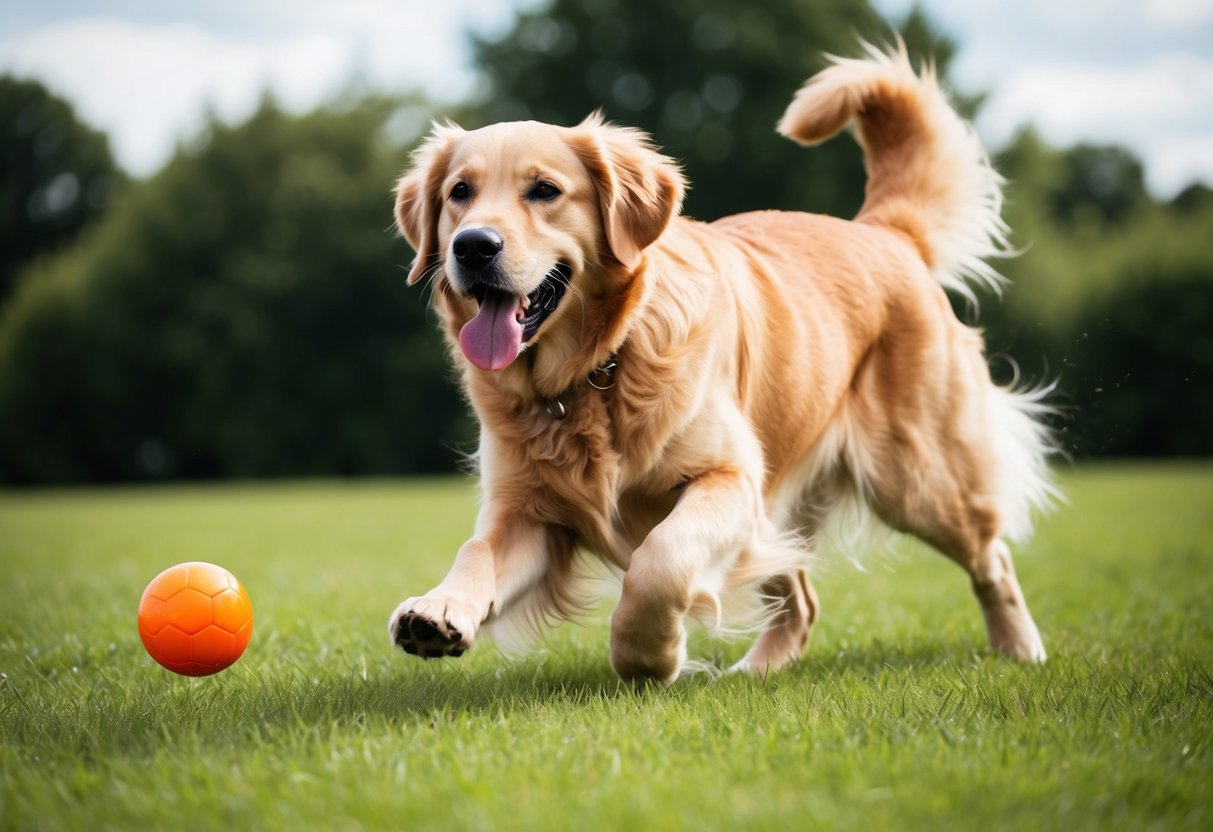
Labrador Retrievers are great for families and individuals alike. They are easy to train and love to be around people, making them ideal for a loving home. Their energetic personality and gentle demeanor ensure they can fit right into your life with minimal hassle.
Whether you’re looking for a loyal companion for outdoor adventures or a cuddly friend to relax with at home, a Labrador Retriever might just be the perfect fit for you. Keep reading to discover more about why this breed stands out and what to consider when bringing a dog into your life.
Choosing the Right Dog Breed

Selecting the right dog breed is an important step for any first-time dog owner. Understanding the traits of various breeds will help you find a perfect match for your lifestyle.
Understanding Breed Characteristics
When choosing a dog, it’s essential to know their characteristics. Different breeds have unique traits, such as energy levels, temperaments, and grooming needs.
For instance, energetic breeds like Labrador Retrievers need regular exercise and playtime. They are great for active families. In contrast, smaller breeds like Pugs tend to be more relaxed and enjoy cuddling.
Consider your daily routine. If you live an active lifestyle, a breed that enjoys outdoor activities would suit you well. If you prefer a calmer atmosphere, look for breeds that are easier to train and require less exercise.
Popular Dog Breeds for First-Time Owners
Some dog breeds are known to be excellent for first-time dog owners. Friendly and adaptable breeds make the transition smoother.
Here are a few popular choices:
- Beagle: Known for their gentle nature and friendly personality.
- Cocker Spaniel: Affectionate, eager to please, and easy to train.
- Pug: Playful and loving, making them great companions.
These breeds often bond well with families and are known for being easy to handle. As a first-time dog parent, looking into these breeds can help ensure a joyful experience with your new furry friend.
Caring for Your First Dog

Caring for your first dog involves understanding their exercise and grooming needs. Meeting these requirements will help ensure a happy and healthy life for your new family member.
Meeting Exercise Needs
Your dog’s exercise needs depend on its age, breed, and energy level. Puppies typically have high energy and require daily exercise to grow into well-behaved adults. Aim for at least 30 minutes to 2 hours of activity each day, depending on the breed.
Consider activities like walks, fetch, or playtime in the yard. Mixing up the routine keeps things fun and engaging. For puppy development, socialization walks can also help them meet new people and dogs, which is essential for good behavior.
Observing your dog during play helps you gauge their exercise requirements. If your dog seems restless or engages in destructive behavior, they might need more physical activity. Regular exercise also strengthens your bond with your dog.
Grooming and Maintenance
Grooming needs can vary based on your dog’s breed. Short-haired dogs might need less grooming than long-haired breeds. Regardless, regular brushing keeps your dog’s coat healthy and reduces shedding.
Establish a grooming routine early on. Introduce your dog to brushing, bathing, and nail trimming gradually to make it a positive experience. Make sure to use gentle tools to avoid discomfort. Check for any unusual lumps or skin issues during grooming.
Additionally, dental care is crucial. Regular tooth brushing helps prevent dental diseases. Also, ensure your dog has access to fresh water and a balanced diet. This will contribute to their overall health and happiness.
Training and Socialization
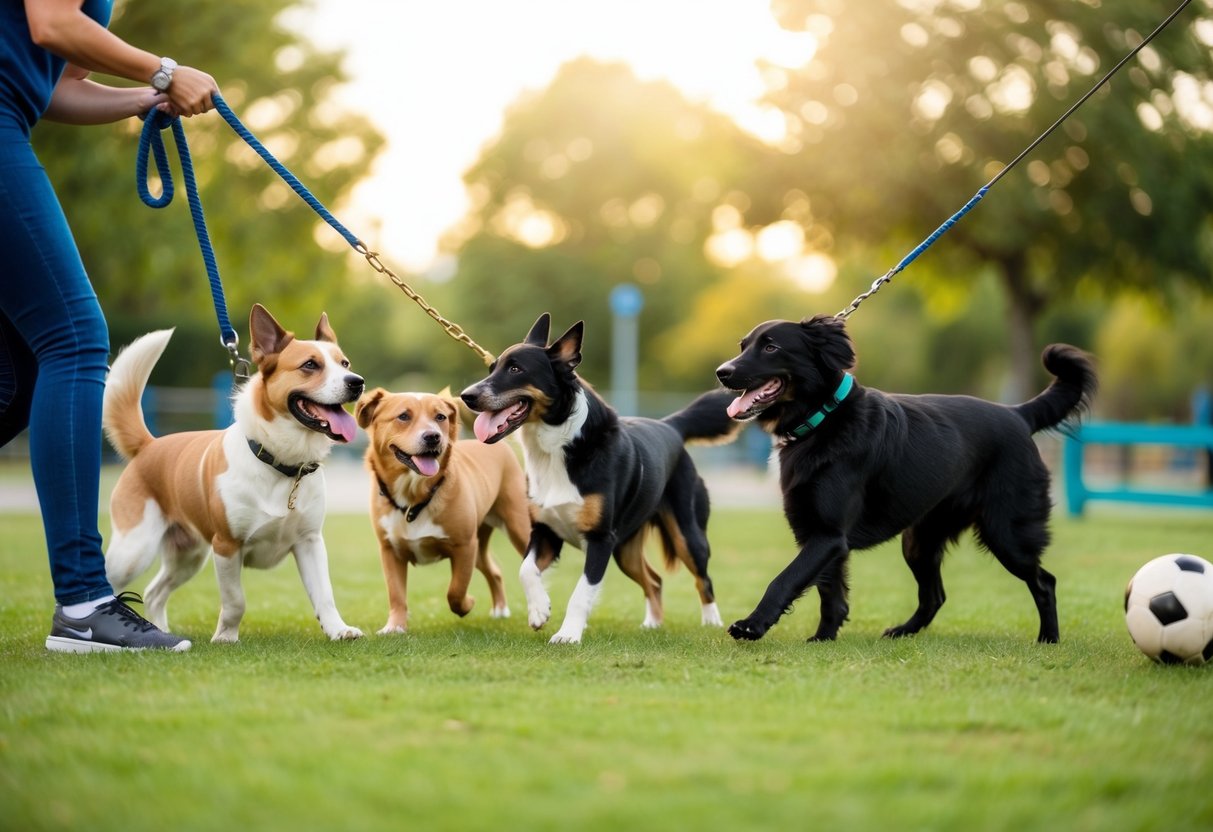
Training and socialization are crucial for your dog’s development. They help build good behavior and strong relationships with you and others. Focusing on basic obedience and effective socialization techniques will prepare your dog for life.
Basic Obedience Training
Basic obedience training forms the foundation of a well-behaved dog. Start with simple commands like “sit,” “stay,” and “come.” Consistency and patience are key. Use positive reinforcement, like treats or praise, to encourage your dog.
Training works best in short, engaging sessions. Aim for 5-10 minutes each time to keep your dog’s attention. Repeat commands and gradually build on them as your dog learns.
Consider enrolling in a training class to ensure your dog is learning from experienced trainers. This is especially important for intelligent dogs that need mental stimulation. With proper training, you’ll enjoy more affectionate interactions with your furry friend.
Socializing Your Dog
Socializing your dog helps them become confident and friendly. Start this process early, ideally between 3 to 16 weeks of age. Introduce your dog to various experiences, people, and other animals while being cautious and positive.
Use controlled environments, such as dog parks or social events, to expose your dog to new sights and sounds. Let your dog observe from a distance if they feel overwhelmed at first. Gradually reduce the distance as your dog becomes comfortable.
Regular socialization leads to a well-adjusted adult dog. It reduces fear and aggression issues, making outings enjoyable. Remember, a well-socialized dog is more likely to be affectionate and obedient.
Finding the Perfect Match
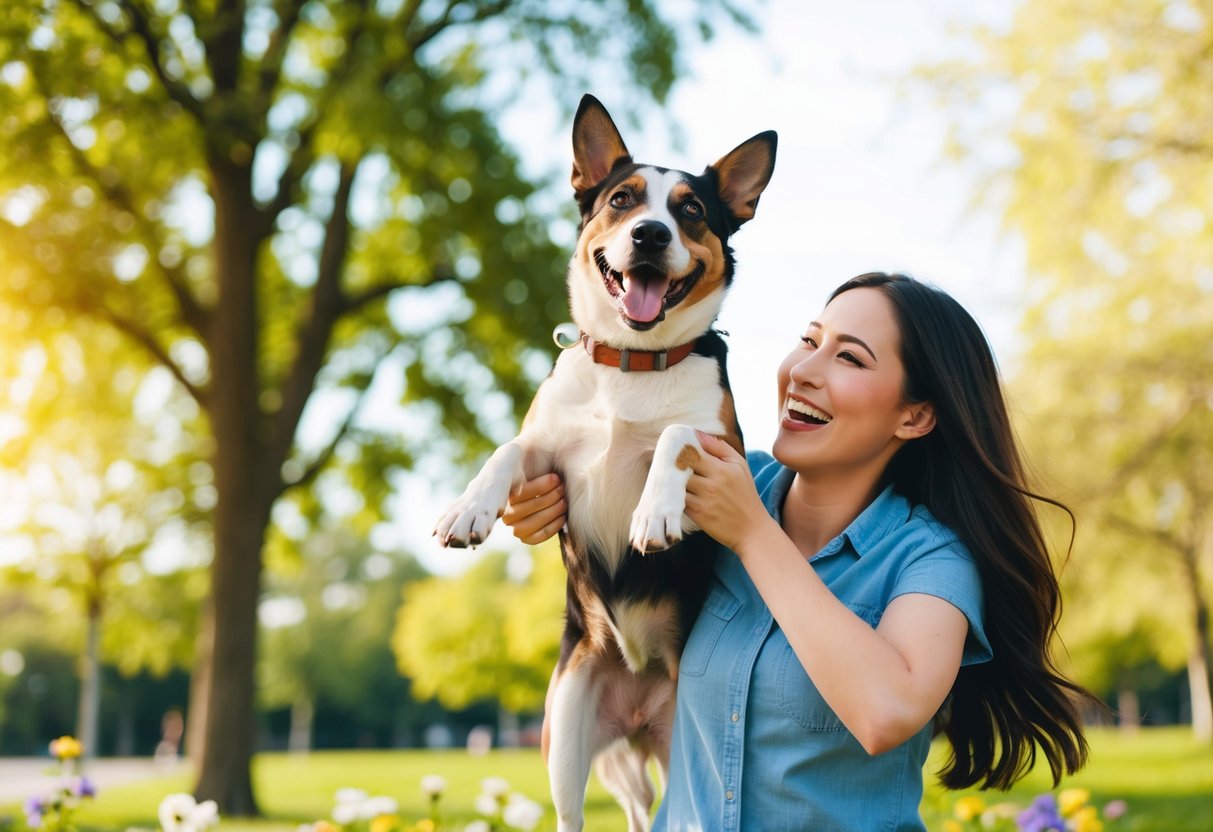
Choosing the right dog for your lifestyle is essential. Various factors such as living space, family dynamics, and personal preferences play a crucial role in finding an ideal match. Let’s dive into the best breeds for different lifestyles and the health and temperament considerations you should keep in mind.
Best Breeds for Different Lifestyles
When selecting a dog, consider your living situation and daily routine.
-
Apartment Living: If you live in an apartment, breeds like the French Bulldog and Cavalier King Charles Spaniel adapt well to smaller spaces. They are generally quieter and require less room to roam.
-
Family Dogs: For families, dogs like the Labrador Retriever and Golden Retriever stand out. They are friendly, affectionate, and great with children.
-
First-Time Owners: If you’re a first-time dog owner, look at breeds such as the Beagle or Shih Tzu. These breeds are known for their easy-going nature and adaptability, making them perfect companions for beginners.
-
Hypoallergenic Options: If allergies are a concern, consider Poodles or Bichon Frises. They have a hypoallergenic coat, which can help reduce allergy symptoms.
Health and Temperament Considerations
Understanding the health and temperament of a breed is vital for a successful match.
-
Affectionate Dogs: If you want a dog that loves cuddles, breeds like the Golden Retriever or Labrador Retriever fit this description perfectly. They are known for their friendly and loving nature.
-
Activity Level: Consider your activity level too. Some breeds, like Border Collies, require more exercise. Meanwhile, more relaxed breeds like the English Bulldog enjoy lounging around.
-
Health Concerns: Be aware of specific health issues within a breed. For instance, large breeds are prone to hip dysplasia. Smaller dogs might face dental issues. Researching these issues helps you prepare for potential vet visits.


