
If you’ve ever wondered what the most aggressive dog breed is, you’re not alone. Many people are curious about canine aggression and which breeds might be more prone to it.
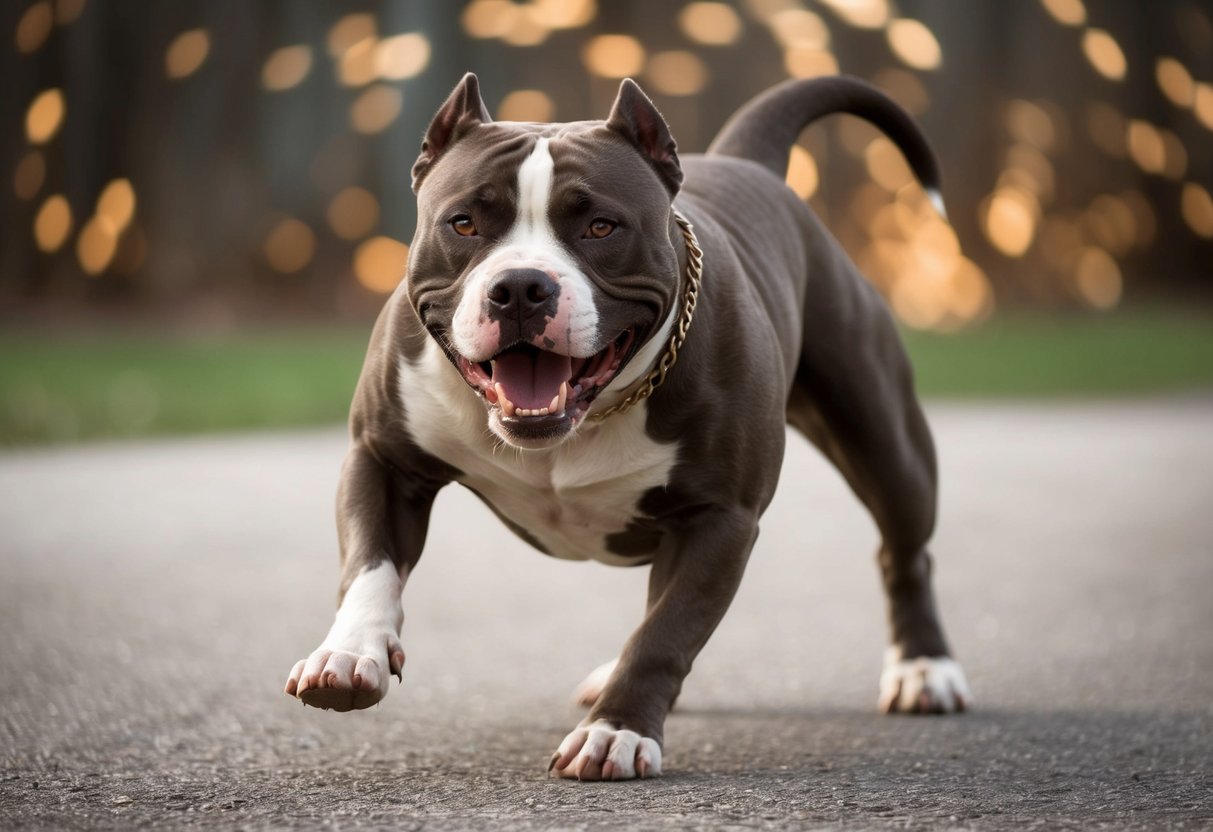
The #1 most aggressive dog is often cited as the American Pit Bull Terrier. This breed is known for its strength and loyalty, but also for its potential for aggressive behavior without proper training and management.
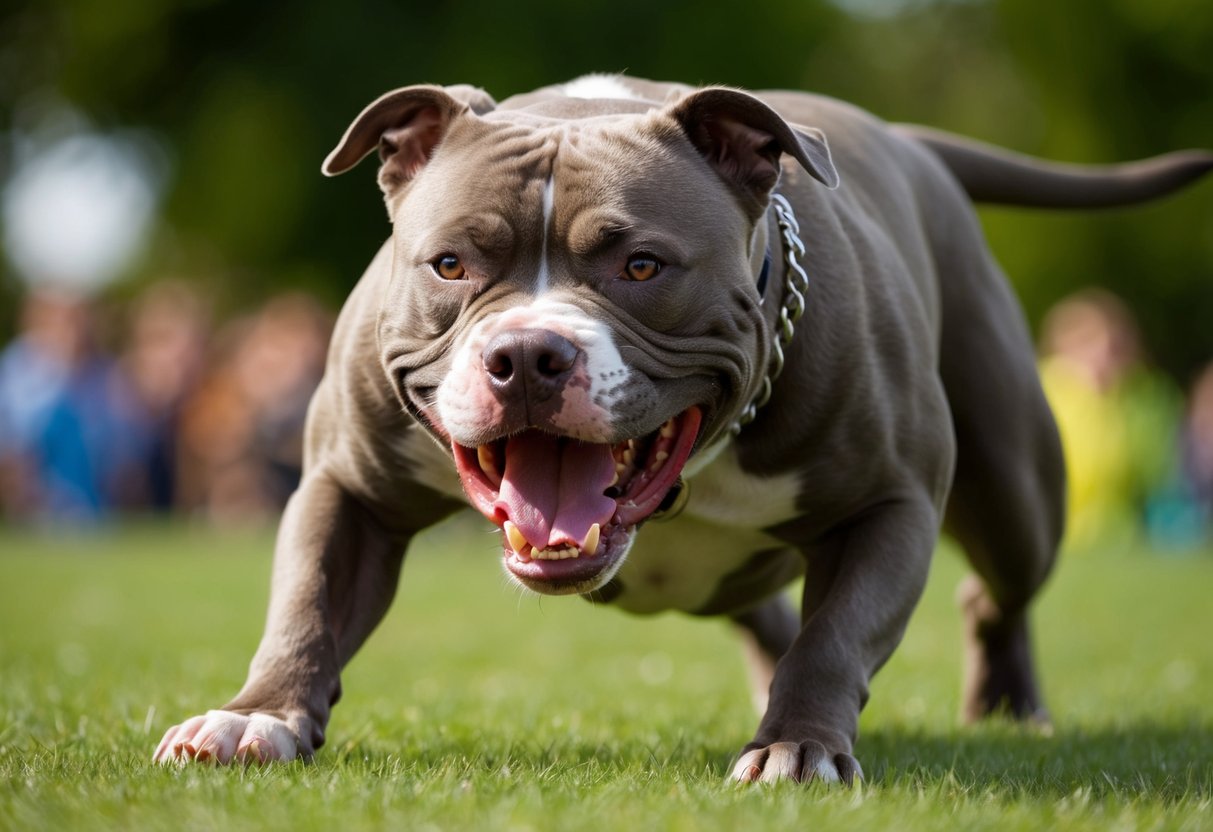
Understanding aggressive dog breeds can help you make informed decisions if you’re considering adding a dog to your family. It’s important to recognize that aggression can often be managed with proper training, socialization, and care.
Approaching the topic of managing aggressive behavior in dogs with knowledge and compassion can lead to safer interactions and a more harmonious home.
Whether you’re a longtime dog lover or just starting to explore the world of dogs, knowing about aggression in breeds like the Pit Bull can help you prepare for responsible pet ownership.
Understanding Canine Aggression
Canine aggression is a complex behavior influenced by various factors. This section will cover the different types of aggression seen in dogs and how specific breeds can exhibit aggressive behaviors.
Types of Aggression in Dogs
Aggression in dogs can be classified into several types. Understanding these can help you identify potential issues in your own dog or when interacting with others.
-
Fear-based aggression: This occurs when a dog feels threatened. When scared, a dog may react aggressively to protect itself.
-
Territorial aggression: Many dogs become aggressive when they perceive their home or space is invaded. This is common among breeds known for guarding.
-
Protective aggression: This is shown when a dog feels the need to protect its owner or family. It can manifest during play or when a stranger approaches.
-
Play aggression: Sometimes, dogs may seem aggressive while playing. They might growl or nip, but it’s usually harmless.
Each of these behaviors can be managed with proper training and socialization.
Dog Breeds and Aggression
Certain dog breeds are more often reported as aggressive. However, it’s essential to remember that individual behavior varies.
Some commonly mentioned breeds include:
- American Pit Bull Terrier
- Rottweiler
- German Shepherd
Media portrayals often highlight these breeds as dangerous. Yet, aggression often stems from upbringing and environment rather than genetics alone.
Training, socialization, and responsible ownership play a significant role in managing aggressive behaviors. Understanding dog behavior can help you create a safer and more enjoyable experience for you and your pet.
Role of Socialization and Behavior
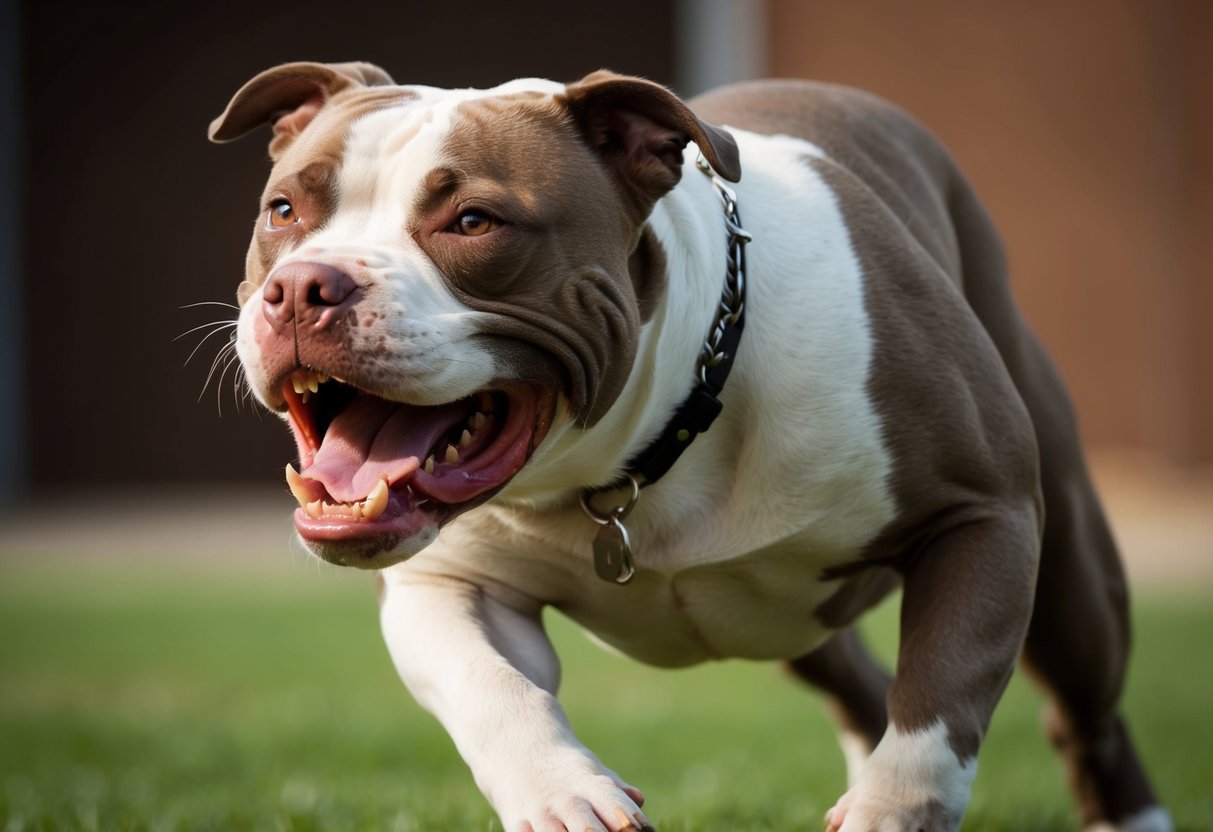
Socialization plays a crucial role in shaping a dog’s behavior and temperament. Understanding how early experiences influence your dog’s interactions can help prevent aggressive behavior.
Importance of Early Socialization
Early socialization is vital in developing a well-adjusted dog. Puppies exposed to various environments, people, and other animals during their critical growth period tend to grow up friendly and confident.
For example, breeds like Rottweilers benefit from early social experiences. If you socialize a Rottweiler early, they often become calm and loving companions. Regular interactions help them build positive associations and reduce anxiety.
Neglecting socialization can lead to fearfulness and aggression. Therefore, introducing your puppy to diverse settings, sounds, and scents is essential. Aim for a mix of positive experiences to help your dog develop a strong, stable temperament.
Dealing with Small Dog Syndrome
Small dog syndrome refers to behavior issues often seen in smaller breeds, like Chihuahuas. These dogs may act aggressively or defensively due to their size and insecurity.
You might notice that small dogs sometimes display dominant behavior, thinking they need to protect themselves. Training is critical in addressing these tendencies. Using positive reinforcement helps them learn proper behavior.
Socialization is also important for small breeds. Exposing your Chihuahua to various people and environments can help them feel more comfortable and less aggressive. Remember, a well-socialized small dog is less likely to exhibit small dog syndrome and can enjoy being part of your family.
By focusing on socialization and proper training, you can help all dog breeds become better companions.
Aggression in Specific Dog Breeds
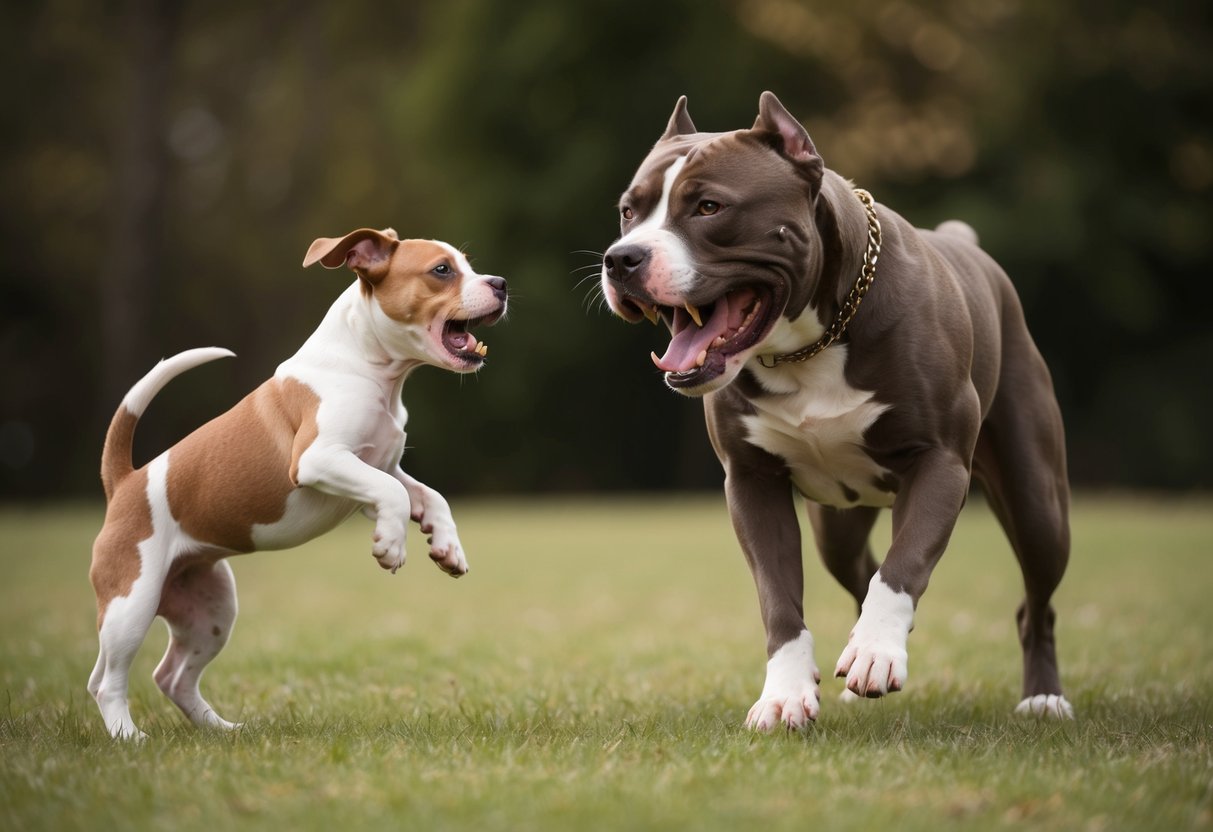
Certain dog breeds often face scrutiny for their aggressiveness. Understanding the characteristics of these breeds can help you better predict their behavior and interactions with others.
Characteristics of Rottweilers
Rottweilers are strong and powerful dogs. They are known for their loyalty and protective instincts. When raised in a loving environment, they can be gentle and affectionate.
However, without proper training or socialization, Rottweilers might develop aggressive behaviors. Signs to look for include barking, growling, and a stiff body posture.
It’s important to provide them with consistent training and socialization from a young age. A well-trained Rottweiler can be a loving family pet and a great guardian.
Pit Bulls and Public Perception
Pit Bulls, including the American Pit Bull Terrier, often face negative perceptions. Many people associate them with aggression due to past incidents and media coverage.
In reality, much of a Pit Bull’s behavior depends on their upbringing and training. With proper care, they can be friendly and loyal companions.
To ensure a well-adjusted Pit Bull, you should focus on early socialization and positive reinforcement. Understanding their need for exercise and mental stimulation can also help prevent unwanted behaviors.
The Reputation of Doberman Pinschers
Doberman Pinschers are known for their intelligence and keen protective instincts. They often get a bad reputation for being aggressive, but this can be misleading.
When properly trained, Dobermans are affectionate and loyal to their families. It’s crucial to engage them in training and social activities.
Without guidance, Dobermans might exhibit protective or aggressive behaviors. Consistent training helps them recognize when to be protective and when to relax. This balance is key to fostering a friendly and well-behaved Doberman.
Preventing and Managing Aggressive Behavior
Managing aggressive behavior in dogs starts with understanding their needs. Early socialization is key. Expose your dog to various environments, people, and other pets to build confidence.
Training is essential. Use positive reinforcement methods to encourage good behavior. Consistent commands help your dog understand what you expect.
Recognize Triggers:
Keep an eye on what causes your dog to act aggressively. Your dog could be triggered by strangers, loud noises, or other dogs. Knowing these triggers can help you avoid situations that lead to aggression.
Implement Safety Measures:
Use leashes and muzzles when necessary. They can prevent dog bites and keep both your dog and others safe. Create a safe space at home where your dog can relax when overstimulated.
Consider assessments from organizations like the American Temperament Test Society. These evaluations can give you insight into your dog’s behavior and temperament.
Seek guidance from professional trainers or behaviorists if aggressive tendencies develop. They can provide tailored strategies to manage your dog’s behavior effectively.
Lastly, always supervise interactions between your dog and other animals. This is crucial to prevent aggressive incidents, especially with unknown dogs.


