
Have you ever heard about the tradition called telling the bees about a death? It’s an old custom where people actually let their bees know when someone in the family has passed away.
You talk to the bees to keep them calm and loyal—so they won’t just up and leave the hive or stop making honey after a loss.
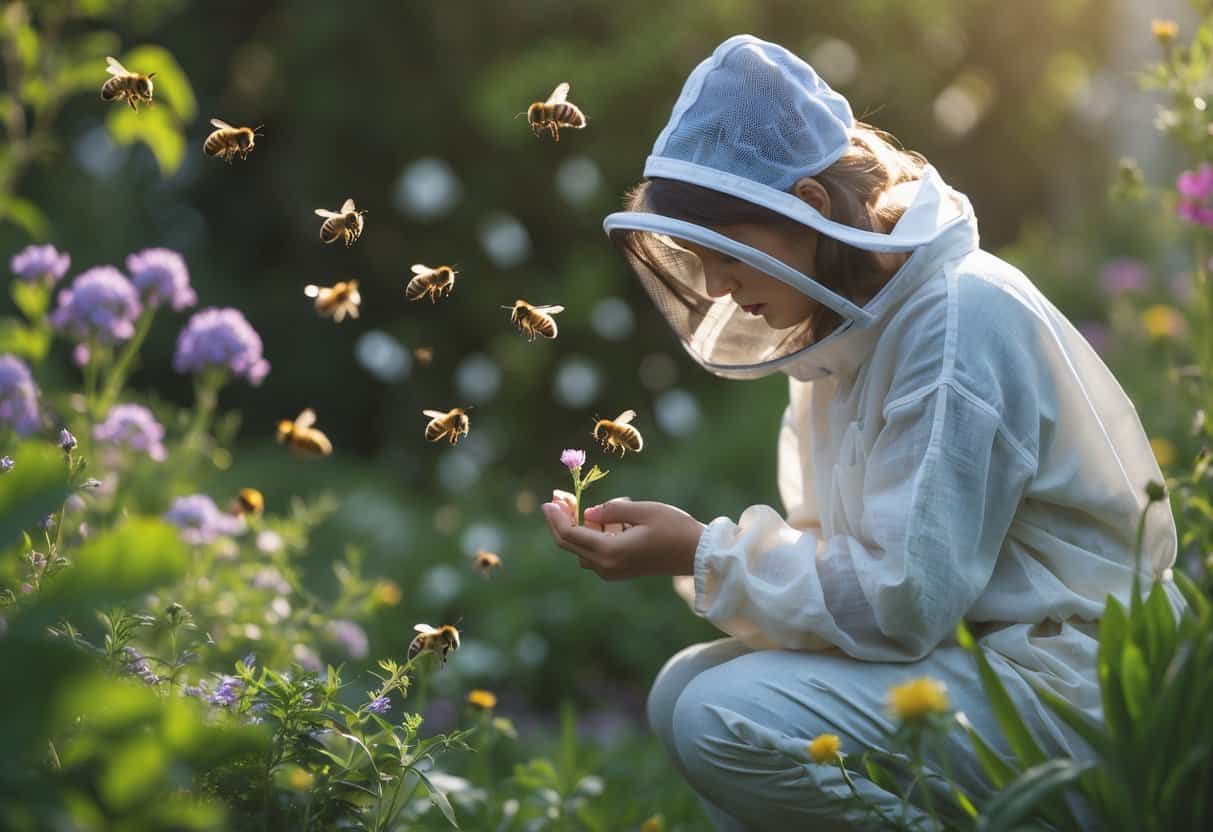
This practice started in Western Europe and has stuck around in many families for centuries.
It isn’t just superstition—there’s a real sense of respect and connection between the home and the bees.
If you keep bees or just like learning about old traditions, this one might catch you off guard.
Telling the bees can be as simple as saying a few words or doing a small ritual at the hive.
People believe the bees somehow get the message and stay peaceful during tough times.
Learning about this tradition really shows how much people have cared for their bees in thoughtful, sometimes quirky ways.
If you want more details, check out the tradition of telling the bees about a death.
The Tradition of Telling the Bees About a Death
When someone in your household dies, you might ask yourself—why tell the bees?
This old custom connects your family to the bees and helps keep the hive calm and loyal.
You show respect by including the honeybees in big moments like this.
Origins and Meaning of the Ritual
People in Western Europe started this tradition back in the Middle Ages.
They believed bees lived closely with their keepers and could sense changes in the family.
If you didn’t tell the bees about a death, they might leave the hive or stop making honey.
The ritual grew from a real respect for nature.
Bees felt like part of the family, so you had to keep them in the loop.
Settlers carried this idea to places like New England, and it stuck around.
Ceremonial Steps When Someone Dies
When a family member dies, you cover the beehive with black crepe or cloth.
This shows the bees are in mourning too.
You also go right up to the hive and tell the bees the news—sometimes tapping on the hive as you speak.
Some people explain exactly who died and how they were connected to the family.
This helps the bees stay calm and loyal, and maybe it helps you a little too.
The ceremony lets you and the bees share the loss together.
Symbolism of Bees in Folklore
Bees have always stood for community, hard work, and loyalty.
In folklore, they’re often messengers between the living and the spirit world.
By telling the bees, you keep a thread between your family and the natural world.
Honeybees especially represent order and productivity.
Caring for them with this ritual shows you respect life’s cycles.
Maybe that’s why people include bees in big life events like births, marriages, and deaths.
You can dig deeper into this at Telling the bees – Wikipedia.
Telling the Bees in Modern Times and Royal Customs
The tradition of telling the bees still pops up today, especially in royal circles and rural communities.
It’s a way to honor the close bond between beekeepers and their bees, especially when something big happens in the family.
The Royal Family and Their Bees
The British Royal Family keeps this tradition going, especially at places like Buckingham Palace and Clarence House.
When a royal dies, the bees get the news too.
This shows a deep respect for nature and the bees’ role in the kingdom’s heritage.
The custom connects royalty to older cultural roots.
It’s a reminder that even now, ancient rituals can fit right into modern life.
The bees aren’t just insects—they’re treated like proper members of the royal household.
John Chapple and Queen Elizabeth II’s Bees
John Chapple, the royal beekeeper, has become known for keeping this ritual alive.
After Queen Elizabeth II died, he gently knocked on the hives at Buckingham Palace.
He told the bees, “The mistress is dead, but don’t you go. Your new master Charles III will be a good master to you.”
He tied black ribbons around the hives to show mourning.
This ritual really shows respect for the bees and their sensitivity.
Chapple plays a big part in making sure this old custom doesn’t just fade away in the modern royal family.
Famous Artistic Depictions and Stories
You’ll spot “telling the bees” in all sorts of art and stories. Charles Napier Hemy, a British artist, painted rural life and included traditions like this in his work.
His paintings really show how much people once cared about bees. Literature and films drop hints about this custom too, often linking it to nature and family.
These moments help you remember the tradition and keep it alive. Storytelling, honestly, has a way of saving old customs for the future—even if it’s just in passing.
For more, check out the details on how the royal beekeeper tells the bees.


