
When you think of your dog, you probably imagine a loyal and loving companion. However, sometimes dogs can show signs of aggressive behavior.
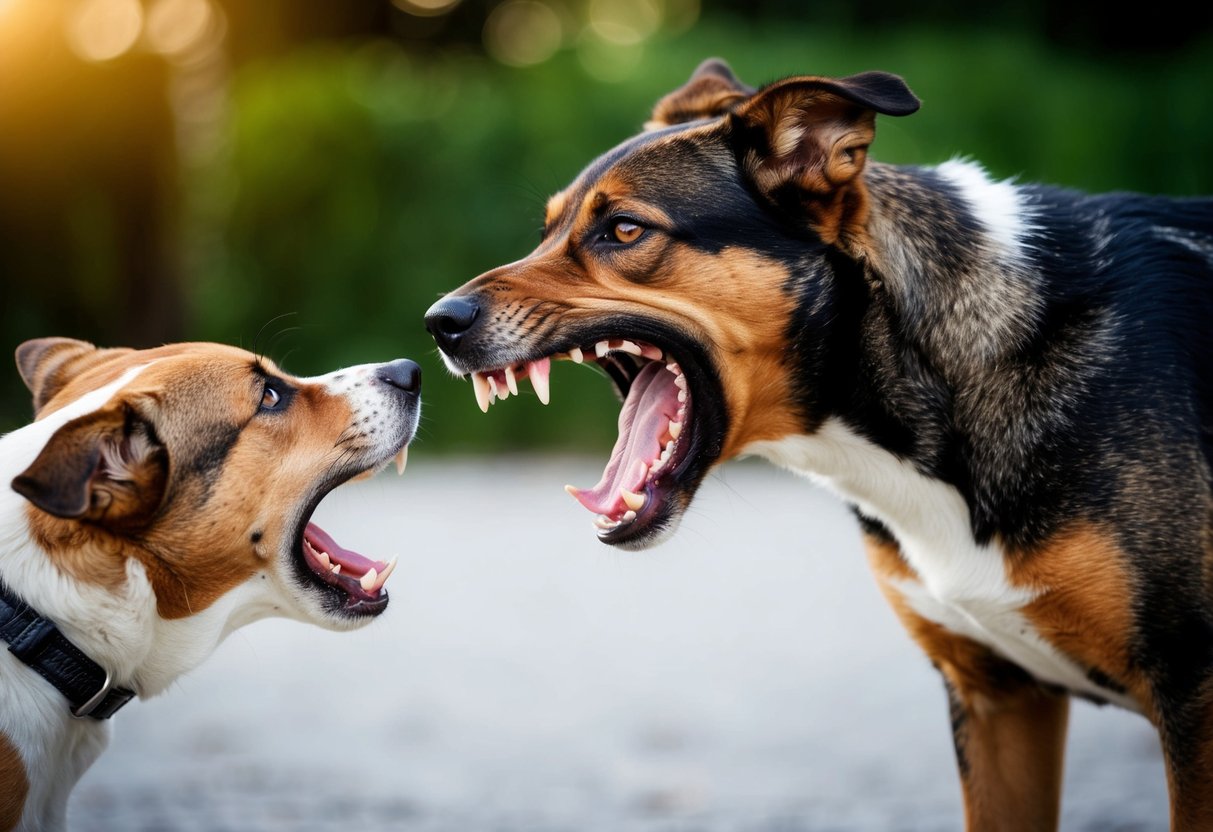
An example of aggressive behavior in dogs is when they snarl or bite when feeling threatened, such as when a stranger approaches too quickly. These actions usually stem from fear, anxiety, or a need to protect their territory or family.
Recognizing aggressive behavior is essential for any dog owner. Understanding why your dog might react this way can help you manage their behavior and ensure a safe environment.
Whether it’s barking, growling, or even lunging, knowing how to interpret these signals can lead to better training and socialization for your furry friend.
In this blog post, you’ll discover more examples of aggressive behavior and tips on how to address them. This knowledge can make a difference in your dog’s happiness and your peace of mind. Let’s explore this important topic together!
Understanding Canine Aggression

Canine aggression can show itself in various ways. It’s important for dog owners to recognize the signs and types of aggression so they can respond appropriately. Understanding why your dog may act aggressively can help you create a safer environment for all.
Types of Dog Aggression
There are many types of aggression in dogs. Some common types include:
-
Territorial Aggression: This occurs when a dog feels its space is being invaded. Dogs may bark, growl, or lunge at someone entering their area.
-
Fear Aggression: Often seen in dogs who feel threatened, they may bite or snap in self-defense. Understanding their triggers is vital.
-
Resource Guarding: Dogs may become aggressive over food, toys, or space. Signs include growling when approached while eating.
-
Maternal Aggression: Mother dogs can act aggressively to protect their puppies. Watch their body language closely during this time.
-
Protective Aggression: This happens when a dog feels the need to protect you or their home from perceived threats.
Recognizing these types can help you manage your dog’s behavior better.
Recognizing Aggressive Behavior
Understanding the signs of dog aggression is crucial. Aggressive dogs may display behaviors like:
-
Barking and Growling: These sounds may signal discomfort or warning.
-
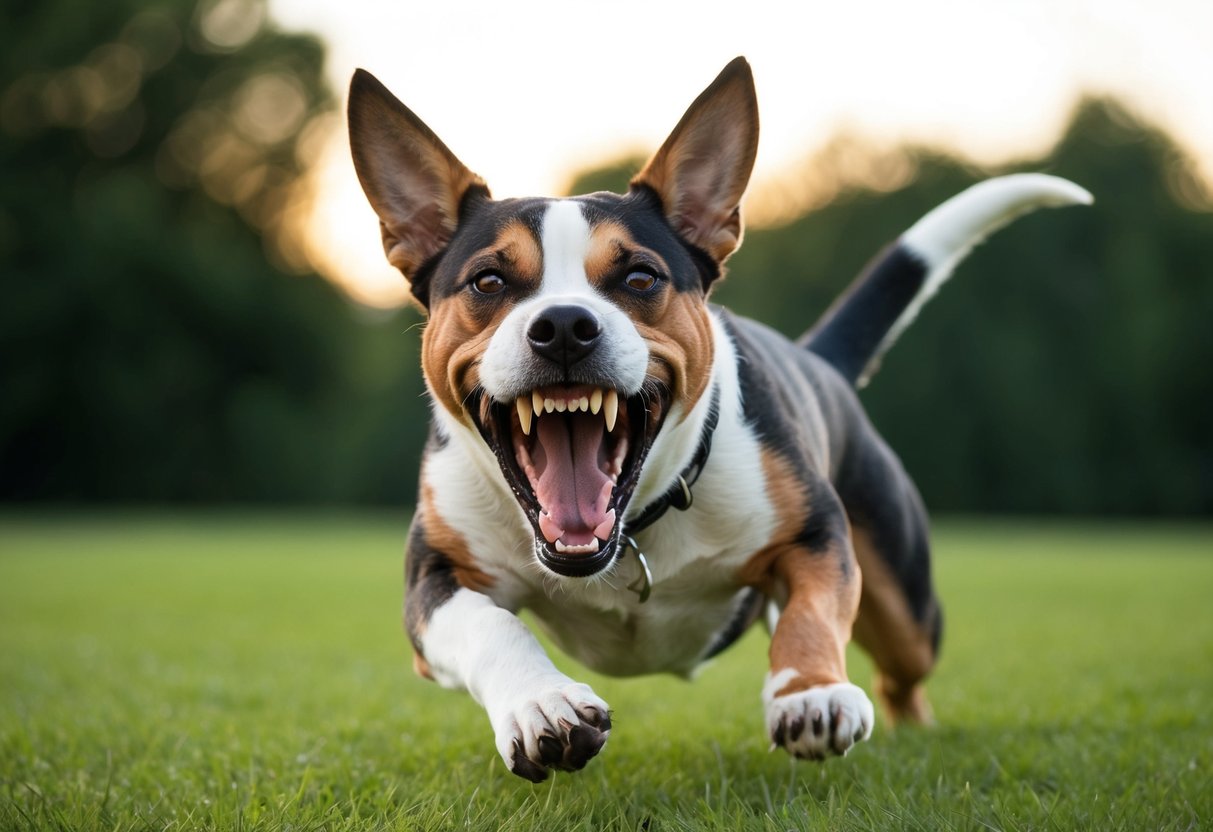
Lunging or Snapping: This often indicates a dog is about to bite.
-
Snarling and Baring Teeth: This is a clear sign that your dog feels threatened and is ready to defend itself.
-
Raised Hackles: When the fur along a dog’s back stands up, it can suggest they are on high alert.
It’s essential to pay attention to these early warning signs to prevent situations from escalating.
The Role of Body Language
Body language plays a big role in understanding canine aggression. Look for signs such as:
-
Intense Staring: A fixed gaze may mean a dog is feeling aggressive or threatened.
-
Posture Change: An aggressive dog often stands tall with a stiff body.
-
Ears and Tail Position: Ears pricked forward and a raised tail can indicate alertness, while pinned ears and a low tail show fear.
Each dog is unique, so observe your pet’s behavior constantly. Recognizing their body language can help you intervene early and maintain harmony in your home.
Assessing and Addressing the Causes
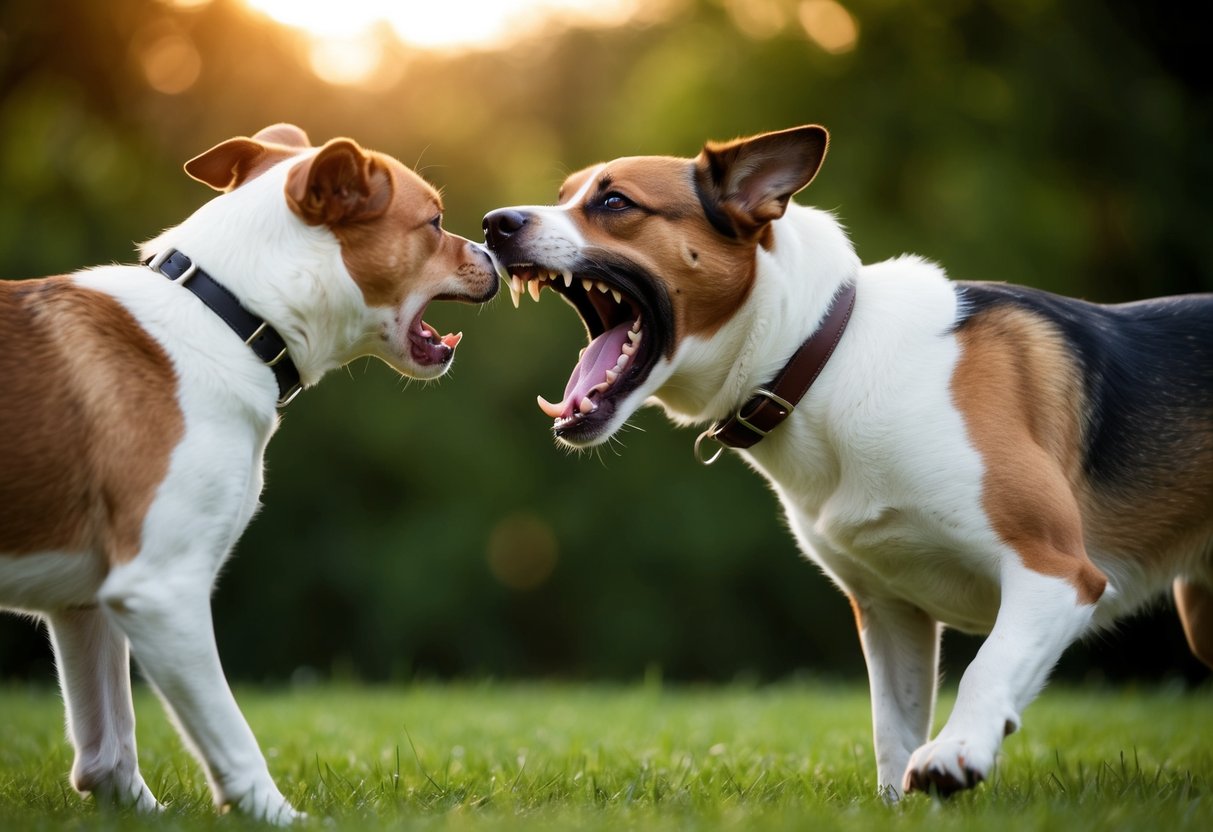
Understanding the causes of aggressive behavior in dogs is crucial for managing and modifying it. Many factors contribute to aggression, including environmental elements, medical issues, and specific behavioral triggers. Each of these areas can offer insights into why your dog may be acting aggressively.
Environmental and Social Factors
Your dog’s environment plays a significant role in their behavior. Lack of positive socialization during puppyhood can lead to fear and aggression. If your dog hasn’t met various people or dogs, they might react aggressively to unfamiliar faces or situations.
Inadequate social experiences can cause intrasexual aggression, where dogs compete for attention or resources. Similarly, redirected aggression can happen if a dog is aroused or frustrated by another stimulus, like another dog outside, and then turns that aggression towards you.
To help, provide positive experiences. Introduce your dog to different environments and people gradually. Use treats to reward calm behavior during new experiences. This can help reduce fear and aggression.
Medical Issues and Aggression
Medical problems can lead to aggression too. Disease-related aggression occurs when pain or illness causes your dog to react aggressively. For example, dogs suffering from pain-elicited aggression may growl or snap when touched in a painful area.
Consult a veterinarian if you suspect your dog is aggressive due to a medical condition. A veterinary behaviorist can help identify underlying issues. Conditions like thyroid problems or neurological disorders can cause changes in behavior.
Always rule out medical problems before addressing behavioral training. Treating the root cause can significantly help reduce aggressive responses.
Behavioral Triggers
Certain behavioral triggers can lead to aggressive actions. Learned aggression is when a dog has previously been rewarded for aggressive behavior, such as barking to scare someone away. Additionally, trained aggression can be a result of improper training techniques that reinforce aggressive behavior.
Identifying these triggers is essential. Keep a diary of when your dog shows aggression. Look for patterns related to specific people, places, or situations.
Once you know the triggers, you can work on desensitizing your dog. Use positive reinforcement to encourage calm behavior when these triggers are present. This can help in modifying their aggressive responses effectively.
Effective Training and Management
Managing aggressive behavior in dogs requires a thoughtful approach. You’ll want to focus on creating a solid plan, knowing when to seek help, and putting preventive measures in place. Each aspect is vital for achieving lasting improvements in your dog’s behavior.
Developing a Treatment Plan
Creating a treatment plan is crucial for addressing your dog’s aggression. Start by identifying the triggers for aggressive behaviors, such as fear or territorial instincts. Keep a journal to document incidents.
Next, seek guidance from a certified dog behavior consultant or a professional dog trainer. They can help tailor a plan specific to your dog’s needs. Your plan should include behavior modification techniques using positive reinforcement, which rewards good behavior instead of punishing bad behavior.
Set small, achievable goals to gradually help your dog feel more relaxed and confident in different situations. Regularly review progress and adjust the plan as necessary.
The Importance of Professional Help
Professional help can make a significant difference in managing aggressive behavior. Veterinary behaviorists and certified dog trainers are trained to assess and diagnose underlying issues linked to aggression. Their expertise can be invaluable in determining the best approach for your dog.
Working with a qualified professional also ensures safety during training. They can guide you on how to handle challenging situations and help you implement effective techniques. This support can help build your confidence as a handler and improve your dog’s trust in you.
Implementing Preventive Measures
Preventive measures can help reduce the chances of aggressive behavior before it happens.
Socialization is key. Expose your dog to various environments, people, and other animals from a young age. This exposure can help them feel more comfortable and less likely to react aggressively.
Use management strategies, such as a leash or muzzle, during walks in potentially triggering situations.
Consistency in training techniques, like positive reinforcement, will improve your dog’s behavior over time.
Regular play sessions are also important. Engaging in physical and mental activities can help your dog release energy and reduce frustration.
Always supervise playdates to ensure safe interactions, especially if play aggression might be a concern.


